Tag: Mental Health Support

  • What Kind of Support Do I Need: Therapy, Coaching or Emotional Support?

    What Kind of Support Do I Need: Therapy, Coaching or Emotional Support?

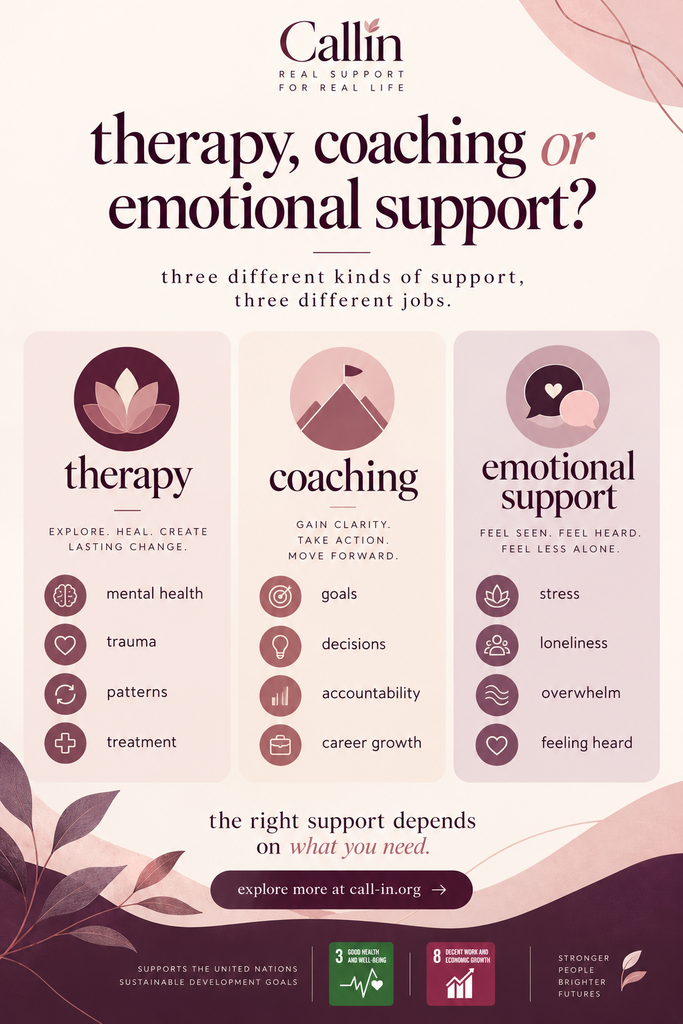
    If you are choosing between therapy, coaching, or emotional support, start with what you need the relationship to do for you.

    Therapy can help with mental health problems, emotional difficulties, behavioral patterns, trauma, and psychological treatment.

    Coaching is generally oriented toward goals, development, decisions, and forward movement.

    Non-clinical emotional support gives you space to talk, process, feel heard, and make sense of everyday emotional challenges.

    And sometimes? You need more than one. As human beings, our needs don’t always fit into one neat box.

    (more…)
  • Can I Get Non-Clinical Mental Health Support for Neurodivergence?

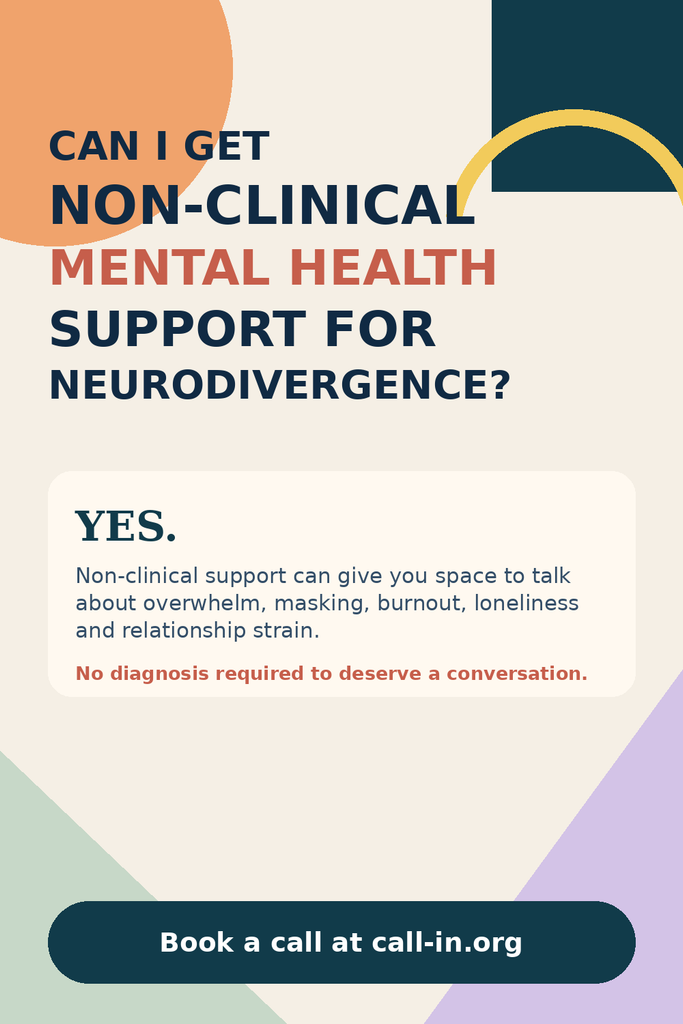
    Can I Get Non-Clinical Mental Health Support for Neurodivergence?

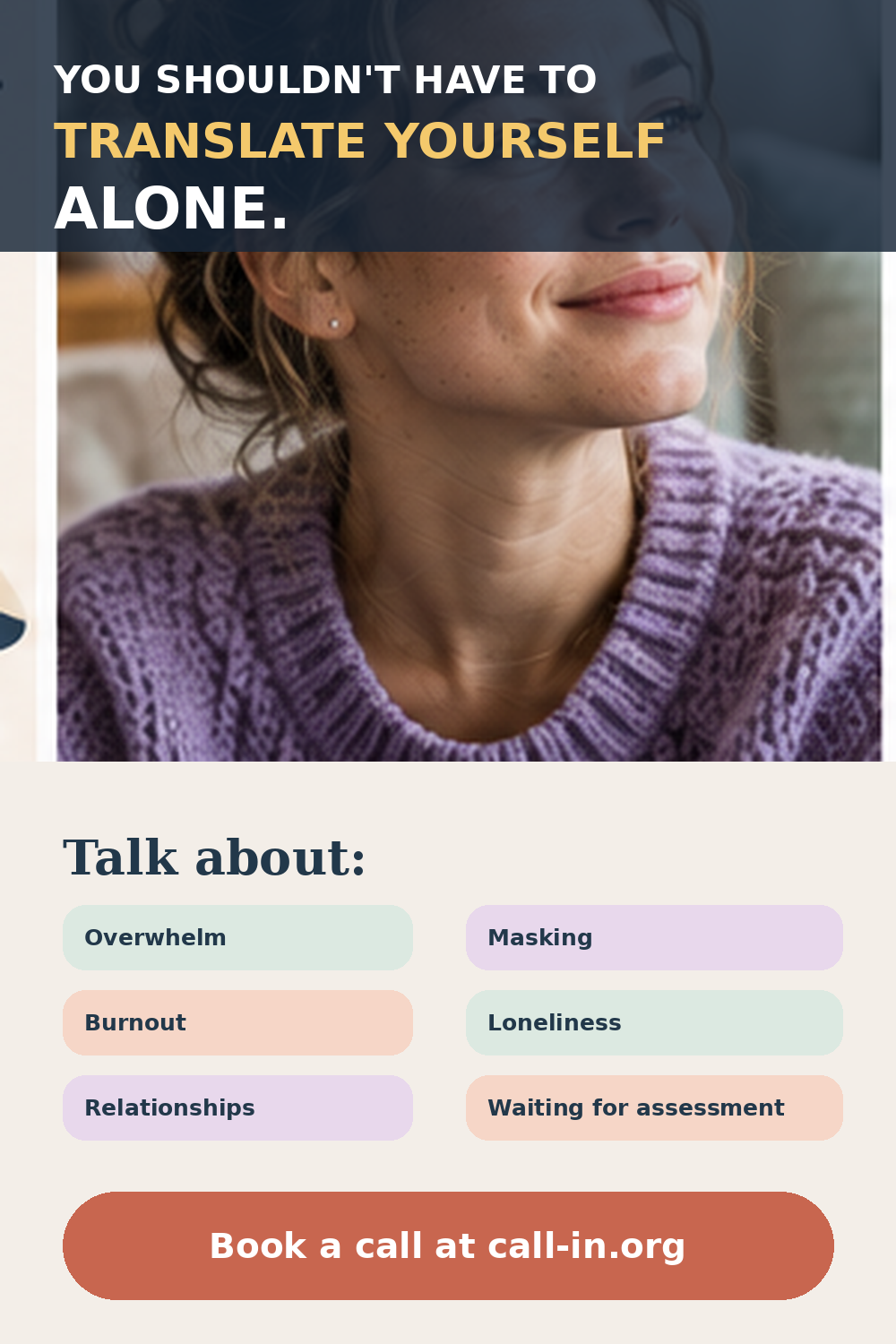
    Yes. Non-clinical mental health support for neurodivergence can help you process overwhelm, masking, loneliness, burnout, relationship strain, and the exhausting business of navigating systems that were not designed with your brain in mind.

    non-clinical mental support for neurodivergence

    You do not need to prove you are “struggling enough” to be heard. The key is knowing what this support can do, what it cannot do, and what affirming support should feel like.

    (more…)
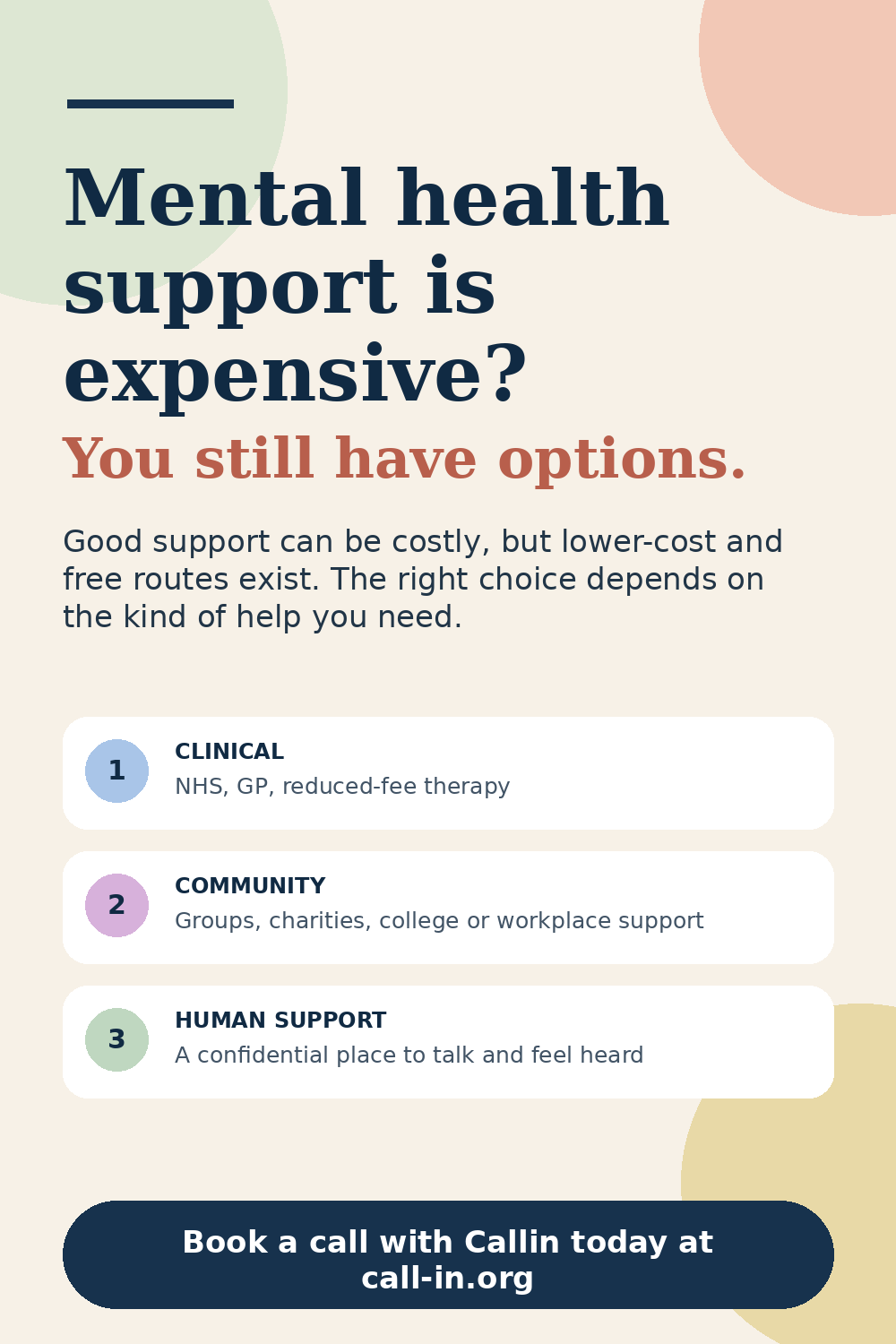
  • 8 Affordable Options When Mental Health Support is Expensive?

    8 Affordable Options When Mental Health Support is Expensive?

    8 affordable options when therapy is expensive

    Looking for affordable options when mental health support is expensive? Mostly because good care depends on skilled human time, years of training, supervision, and systems that still have more demand than capacity.

    If you have ever seen the price of weekly therapy, done the monthly arithmetic, and quietly closed the tab, you are not failing at self-care. There are affordable mental health support options, and choosing one begins with understanding what kind of help you actually need.

    (more…)
  • Affordable Non-Clinical Mental Health Support for Depression

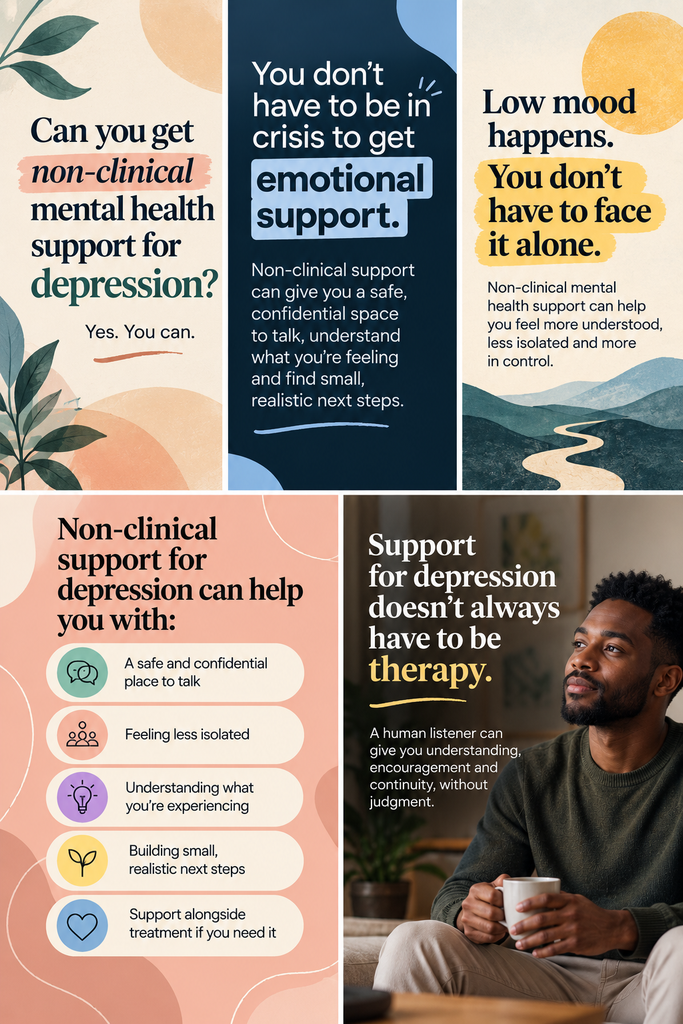
    Affordable Non-Clinical Mental Health Support for Depression

    affordable non-clinical mental health support for depression

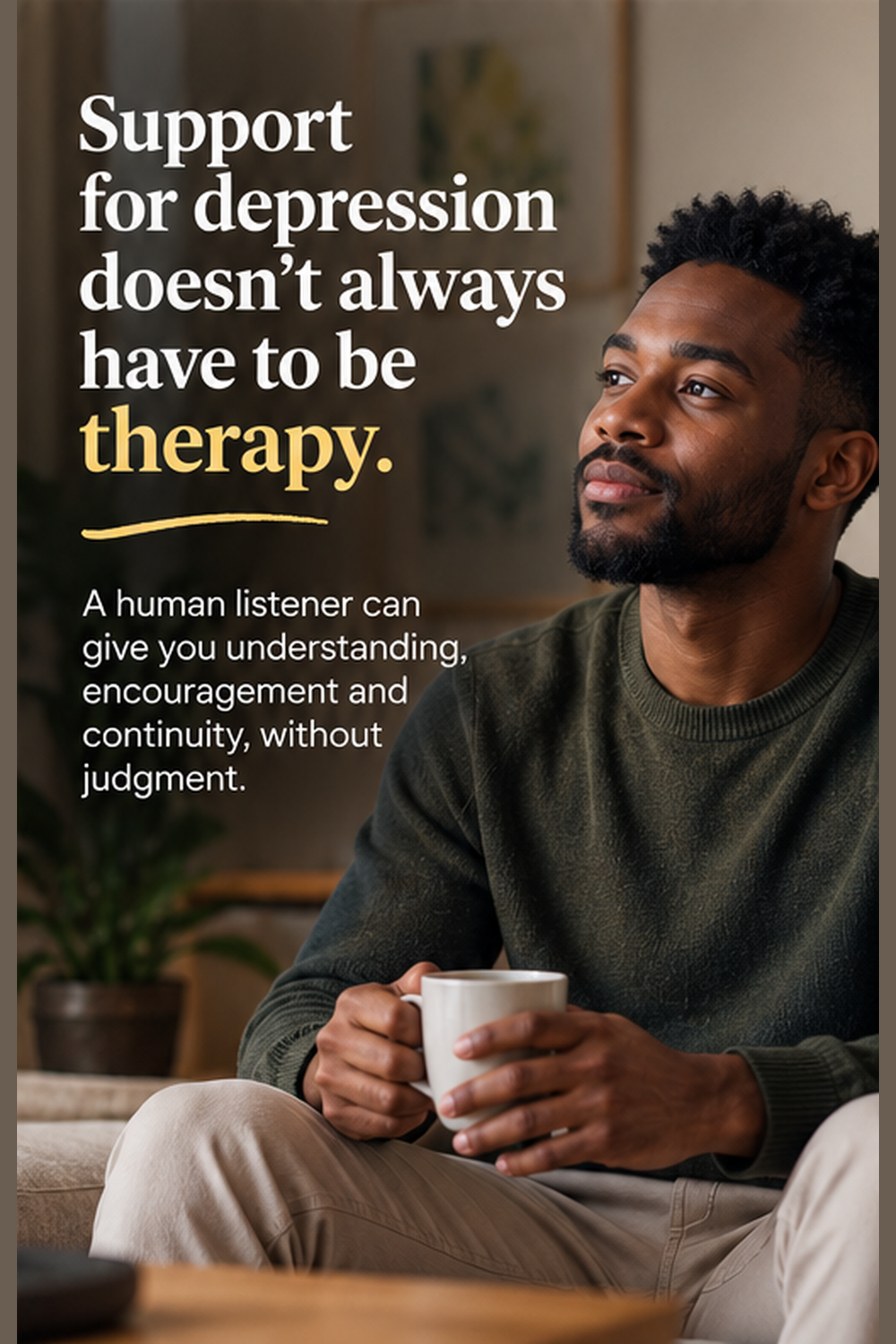
    Yes, you can get non-clinical mental health support for depression. It can provide a confidential place to talk, reduce emotional isolation, help you understand what you are experiencing, and support everyday coping. It is best used as part of a wider support system, not as a replacement for clinical assessment, therapy, medication, or urgent care when those are needed.

    (more…)
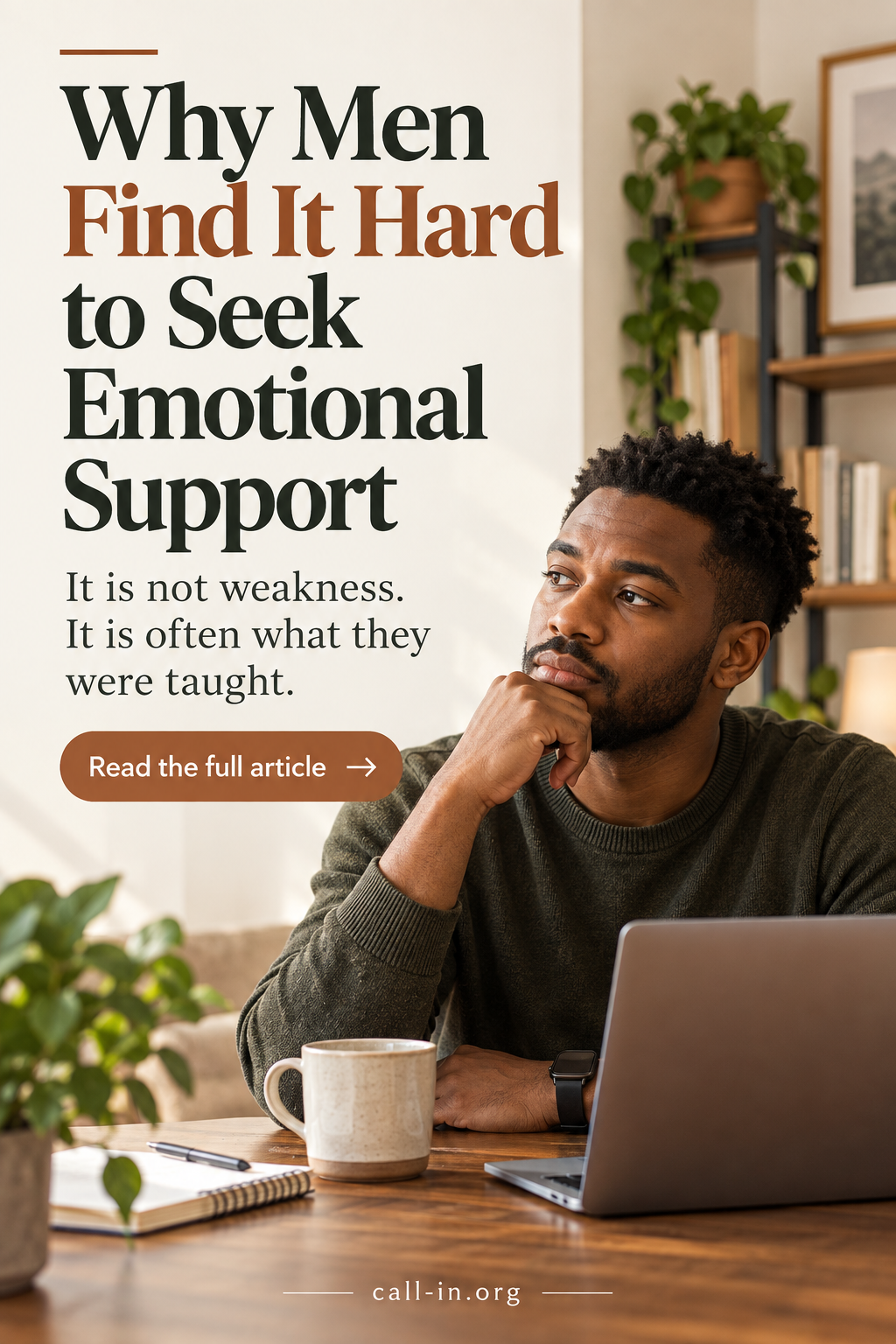
  • Why Men Find It So Hard to Seek Emotional Support

    Why Men Find It So Hard to Seek Emotional Support

    why men find it hard to seek emotional support

    Men seeking emotional support often face more than simple reluctance. Many have learned that competence means coping alone, vulnerability carries social risk, and feelings should be translated into action before they can be spoken. This does not mean men feel less. It means many men have been given fewer safe, practiced routes into an honest conversation.

    (more…)
  • Emotional Consent: How to Set Boundaries Without Guilt

    Emotional Consent: How to Set Boundaries Without Guilt

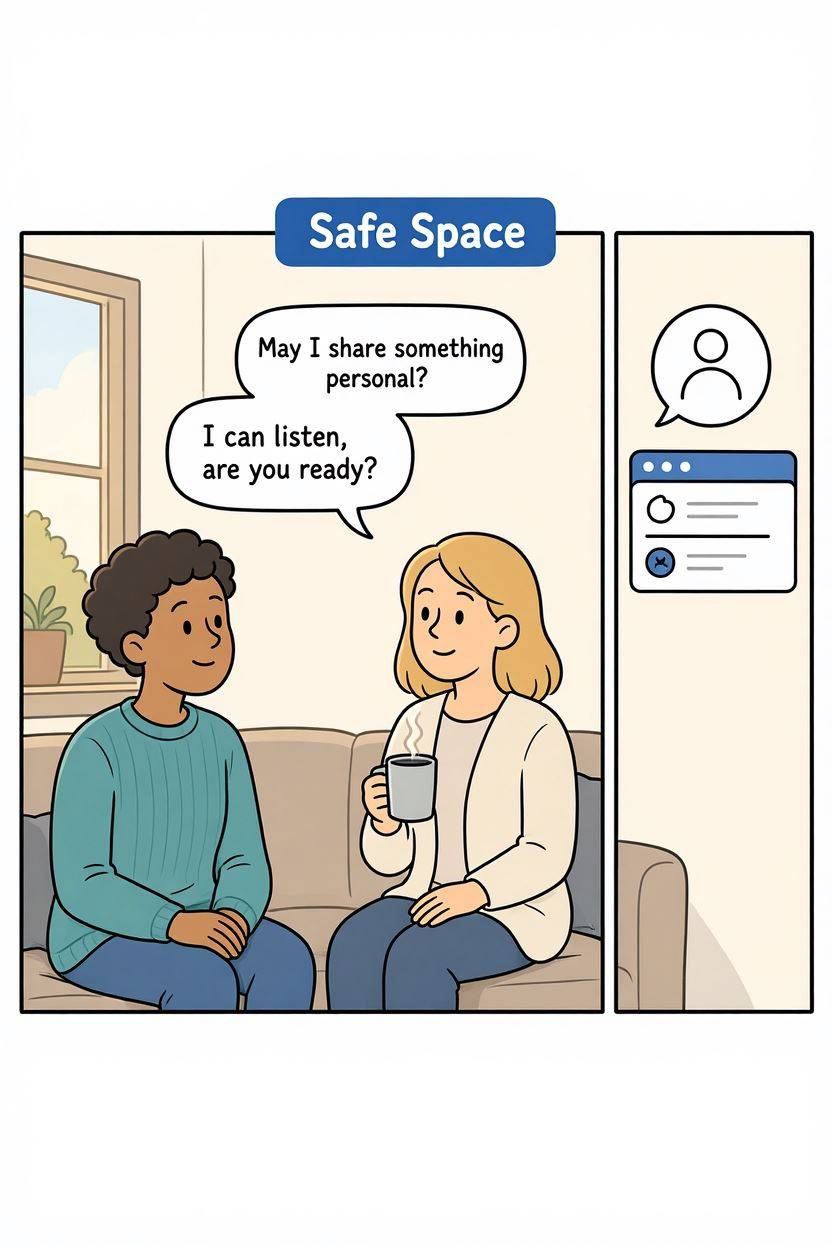
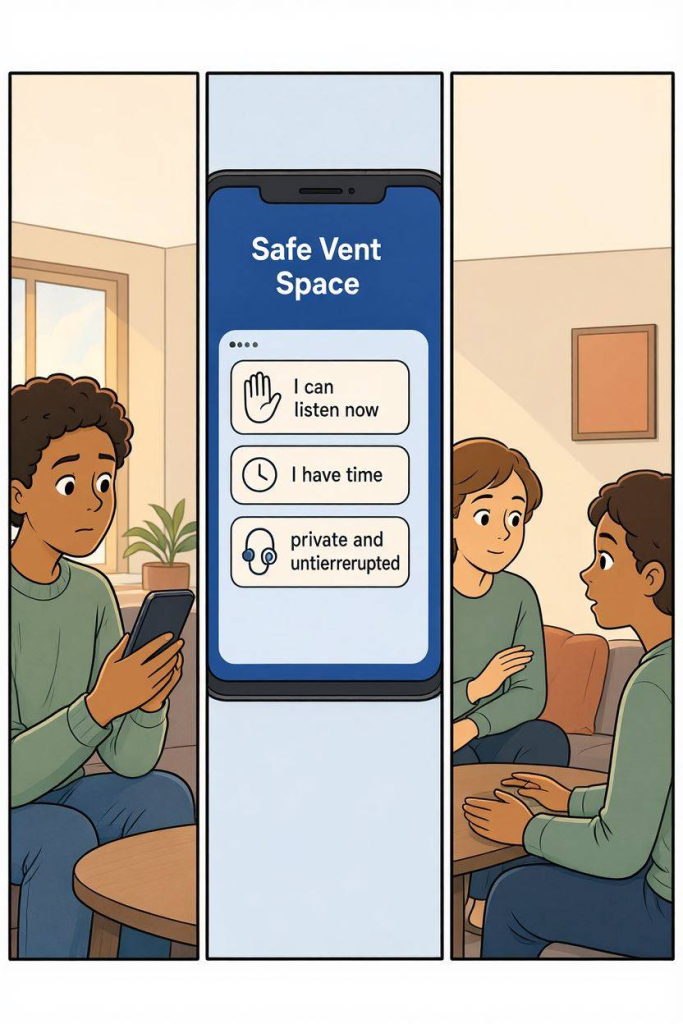
    callin is a safe space to vent without feeling like a burden

    Emotional consent is the practice of checking whether someone has the capacity to receive what you need to share, and being honest when you do not have the capacity to receive theirs. It sounds simple, yet most of us were never taught it. Understanding this one shift can change how safe, honest, and sustainable your closest relationships feel.

    (more…)
  • It’s Toxic To Always Be the Strong One in Your Relationships

    It’s Toxic To Always Be the Strong One in Your Relationships

    it's toxic being the strong one in your relationships

    Always being the strong one can feel like an identity rather than a choice, right up until the exhaustion catches up with you. If you are the person everyone calls when they are falling apart, but rarely the one who gets called in return, you are not imagining the imbalance. Here is why that role forms, what it quietly costs, and how it can shift.

    (more…)
  • The Side-by-Side Strategy: How Men Build Emotional Safety

    The side-by-side strategy helps men build emotional safety by pairing honest conversation with a shared activity instead of a face-to-face sit-down.

    Working alongside someone, hands busy, eyes on a shared task, lowers the pressure that direct eye contact and a formal “we need to talk about your feelings” moment tends to create. It works with how many men already connect, instead of asking them to abandon it.

    (more…)
  • Why Men Struggle to Express Vulnerability (And What Helps)

    Why Men Struggle to Express Vulnerability (And What Helps)

    loneliness and need someone to talk to

    Men struggle to express vulnerability because they were rarely taught the language for it, and because opening up has often cost them more than it gave back.

    This isn’t a character flaw or a simple case of stubbornness. It’s the predictable result of biology, socialization, and a support system built for activities instead of feelings.

    (more…)
  • What to Do When You Can’t Cope With Life

    What to Do When You Can’t Cope With Life

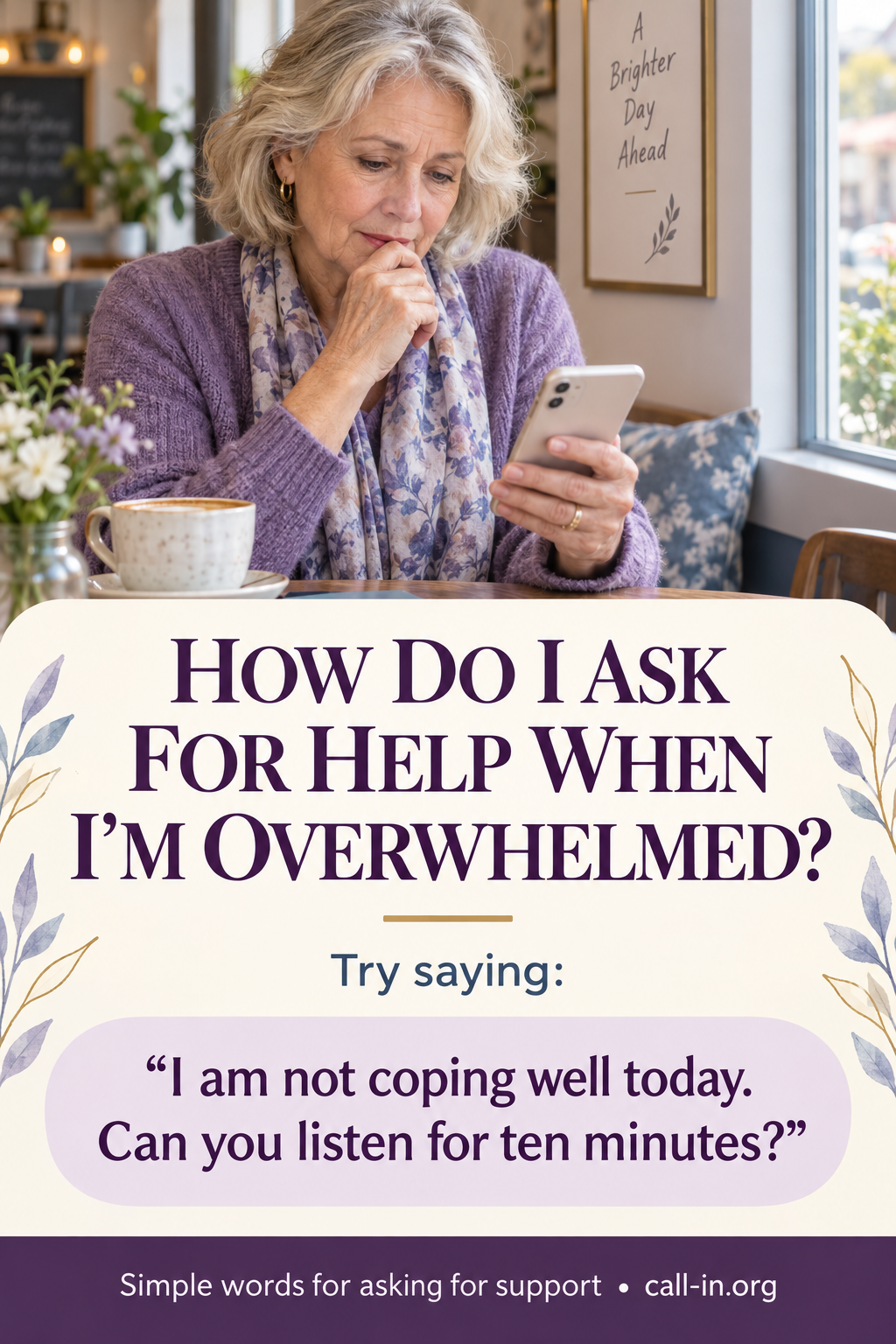
    If you feel like you cannot cope with life, do not try to solve your whole future right now. Reduce the task to the next ten minutes: move somewhere safer, slow your breathing, drink some water if you can, and contact one person who can stay with you or listen. Feeling overwhelmed means your distress has exceeded your current capacity, not that you are failing.

    (more…)
  • How to Improve Your Mental Health Without Therapy

    How to Improve Your Mental Health Without Therapy

    improve your mental health by talking with call-in.org today.

    You can improve your mental health without therapy, especially when you are dealing with stress, loneliness, low mood, burnout, overthinking, or a difficult life transition.

    Helpful options include better physical foundations, self-guided psychological tools, supportive relationships, peer support, practical problem-solving, and non-clinical emotional support.

    The important question is not whether you can avoid therapy. It is what kind of support your situation genuinely requires.

    (more…)
  • Family Rejection: How to Protect Your Identity and Heal

    Family Rejection: How to Protect Your Identity and Heal

    surviving family rejection when you are lgbt

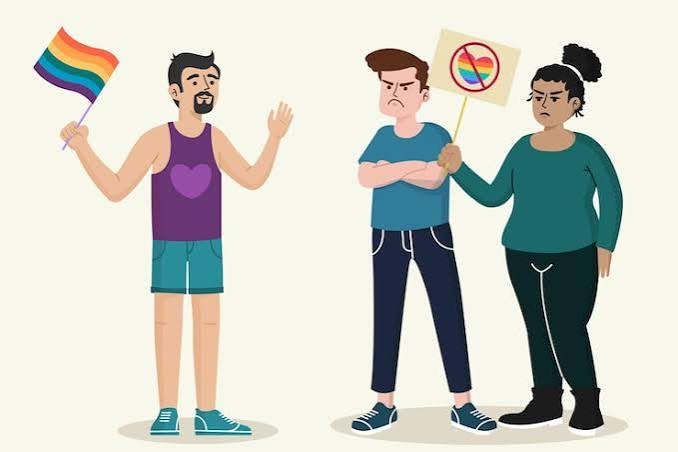
    Family rejection tied to your identity is not the same as an ordinary disagreement. Research shows it can register in the body and brain like a genuine injury, not just hurt feelings.

    Understanding why it hurts this much is not about excusing it. It is the first step toward protecting the truest parts of yourself, no matter how your family responds.

    (more…)
  • The Survival Paradox: Why Safety Can Still Feel Unsafe

    The Survival Paradox: Why Safety Can Still Feel Unsafe

    texting emotionally draining

    The survival paradox is what happens when a protection strategy that once kept you safe keeps running long after the danger has passed. You leave the situation that hurt you, but the nervous system does not always get the memo. This does not mean something is wrong with you. It means a part of you is still trying to help, using outdated instructions.

    (more…)
  • What Can I Do When I Feel Alone and Have No One to Talk To

    What Can I Do When I Feel Alone and Have No One to Talk To

    two women talking about getting emotional support from Callin Support when they feel alone

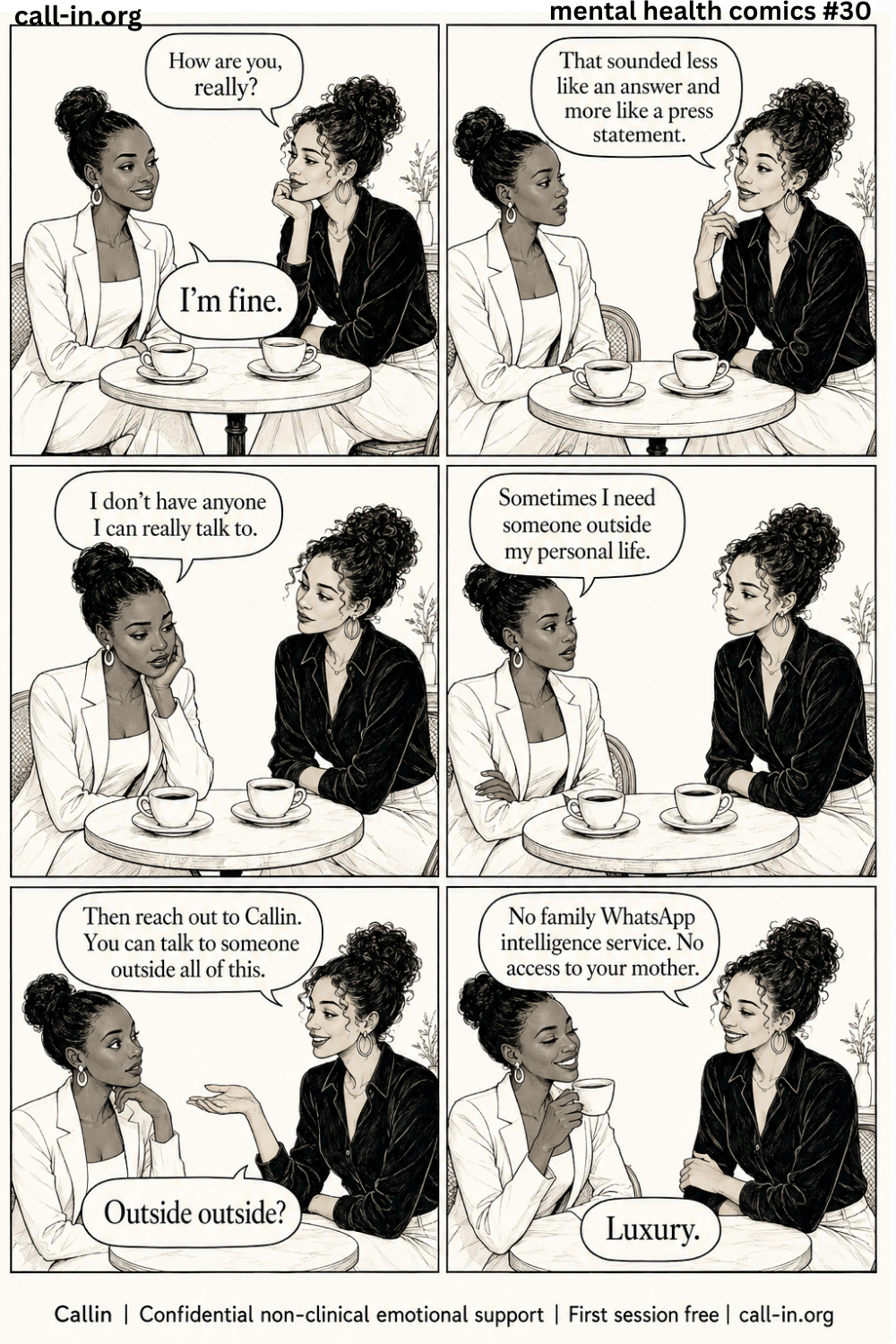
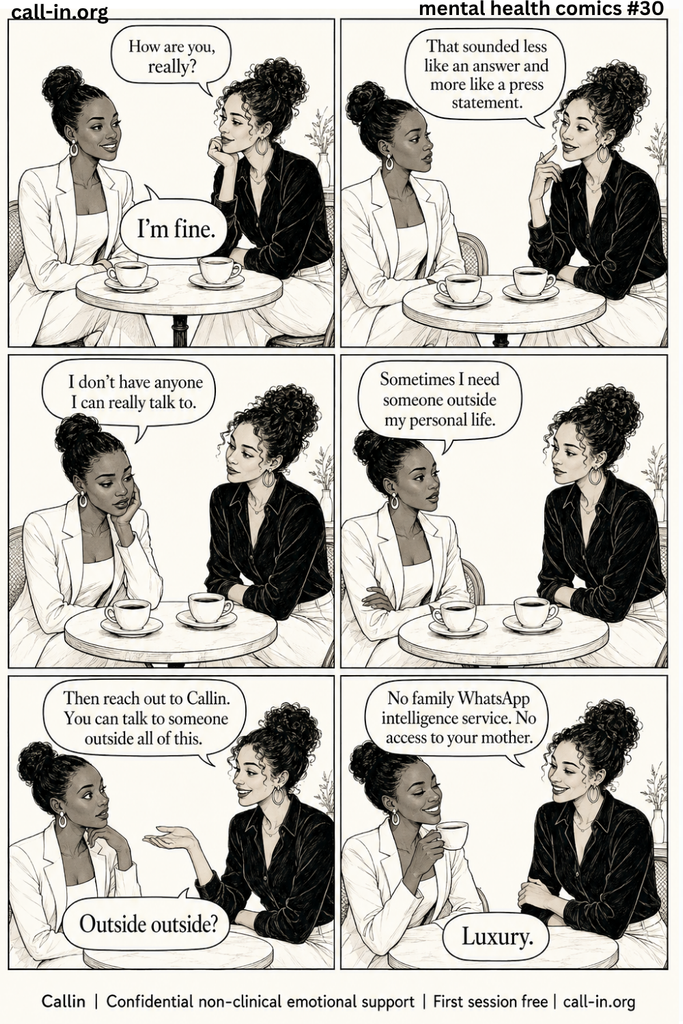
    When therapy is not the answer, sometimes you just need someone to listen.

    If you feel alone and have no one to talk to or share your true feelings with, it may not mean that nobody is physically around you. Sometimes, it means you do not feel safe, understood, or welcome enough to tell anyone what is really happening inside you. And that is why Callin exists.

    (more…)
  • The Loneliness Paradox: Why Connection Feels So Hard

    The Loneliness Paradox: Why Connection Feels So Hard

    loneliness and need someone to talk to

    The loneliness paradox is the strange experience of wanting connection while unintentionally making it harder to receive. Many people wait to be noticed while quietly protecting themselves from being known. Understanding this pattern will not make loneliness your fault. It will show you where the door actually is, and who has been holding it shut.

    (more…)
  • Feeling Loneliness? Human Connection in a Digital World

    Feeling Loneliness? Human Connection in a Digital World

    lack of connection and loneliness

    It is entirely possible to feel lonely while surrounded by people, and finding genuine human connection in a digital world often means looking past the usual options of scrolling, messaging, or talking to an AI.

    Real relief tends to come from a consistent, real person who actually listens, not another frictionless digital substitute. Here is why that gap exists and what actually closes it.

    (more…)