Category: Wellbeing

  • Why You Find It Hard to Forgive Yourself for One Small Mistake

    Why You Find It Hard to Forgive Yourself for One Small Mistake

    forgive yourself

    You are not broken, and you are not alone. If one mistake from years ago still visits you at two in the morning, while a thousand quiet successes say nothing, that is not a character flaw. It is negativity bias, an ancient survival wiring, mistaking an old social stumble for a threat it still has to solve.

    (more…)
  • Why Moving to a New City Feels So Emotionally Draining

    Why Moving to a New City Feels So Emotionally Draining

    moving to a new city

    Moving to a new city can feel emotionally draining even when the move itself is a win, because relocation quietly strips away every automatic routine that used to make you feel competent and known. That exhaustion is not a sign you made the wrong choice. It is a normal, well documented response, and there is a way through it that does not require pretending you are fine.

    (more…)
  • What Are the Signs that I have a Manipulative Boss and What To Do

    What Are the Signs that I have a Manipulative Boss and What To Do

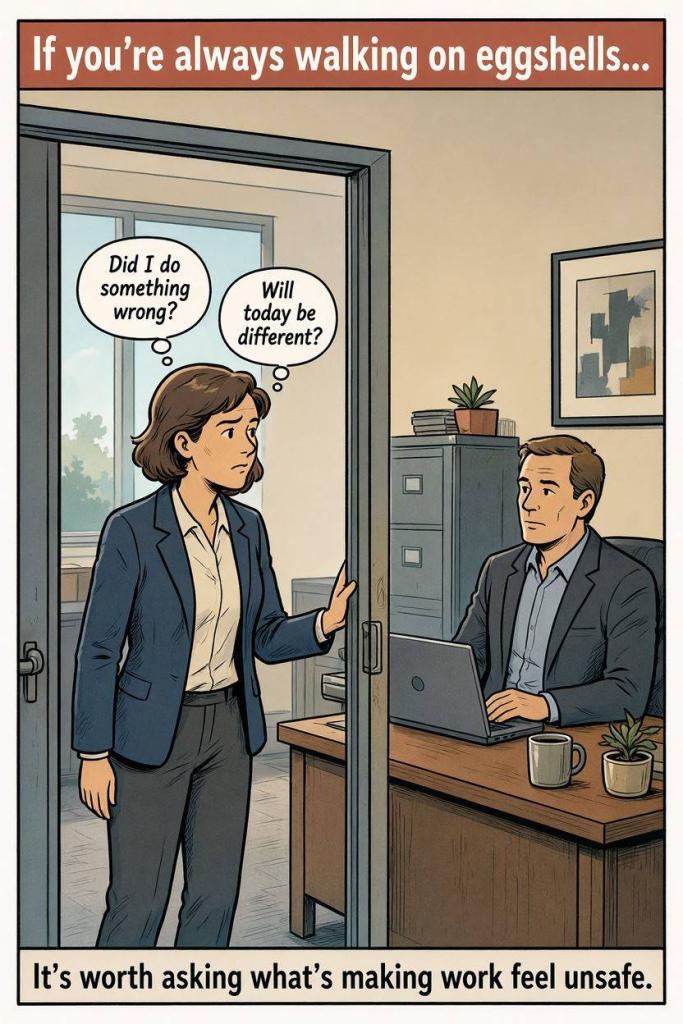
    You may have a manipulative boss if you're always walking on eggshells

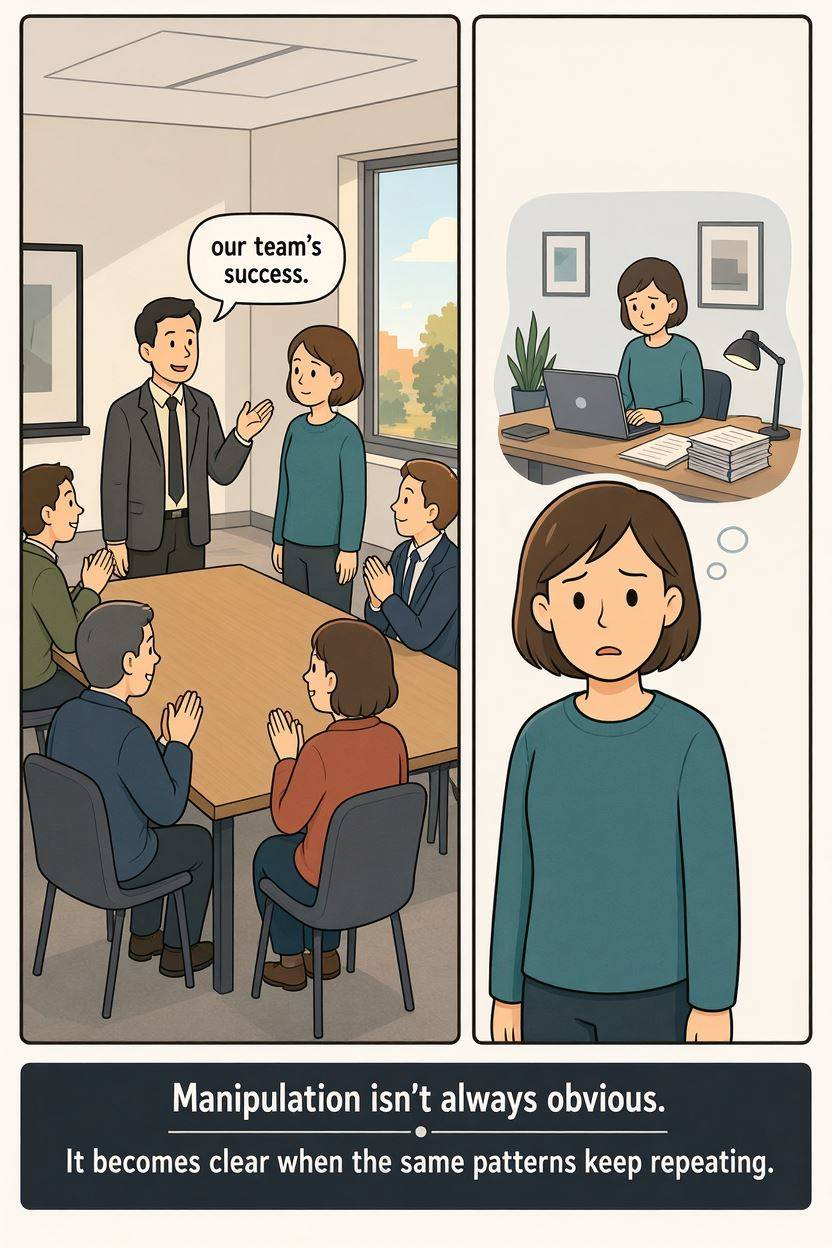
    A manipulative boss is not always the person who yells or slams doors. More often, they are the one who leaves you replaying conversations at midnight, unsure if you did something wrong. Manipulation at work tends to be quiet, cumulative, and easy to dismiss as overreacting. Learning its real signs is the first step toward trusting yourself again.

    (more…)
  • Why Micromanagement at Work Hurts When We Have Been Working Independently

    Why Micromanagement at Work Hurts When We Have Been Working Independently

    why micromanagement at work causes stress sometimes

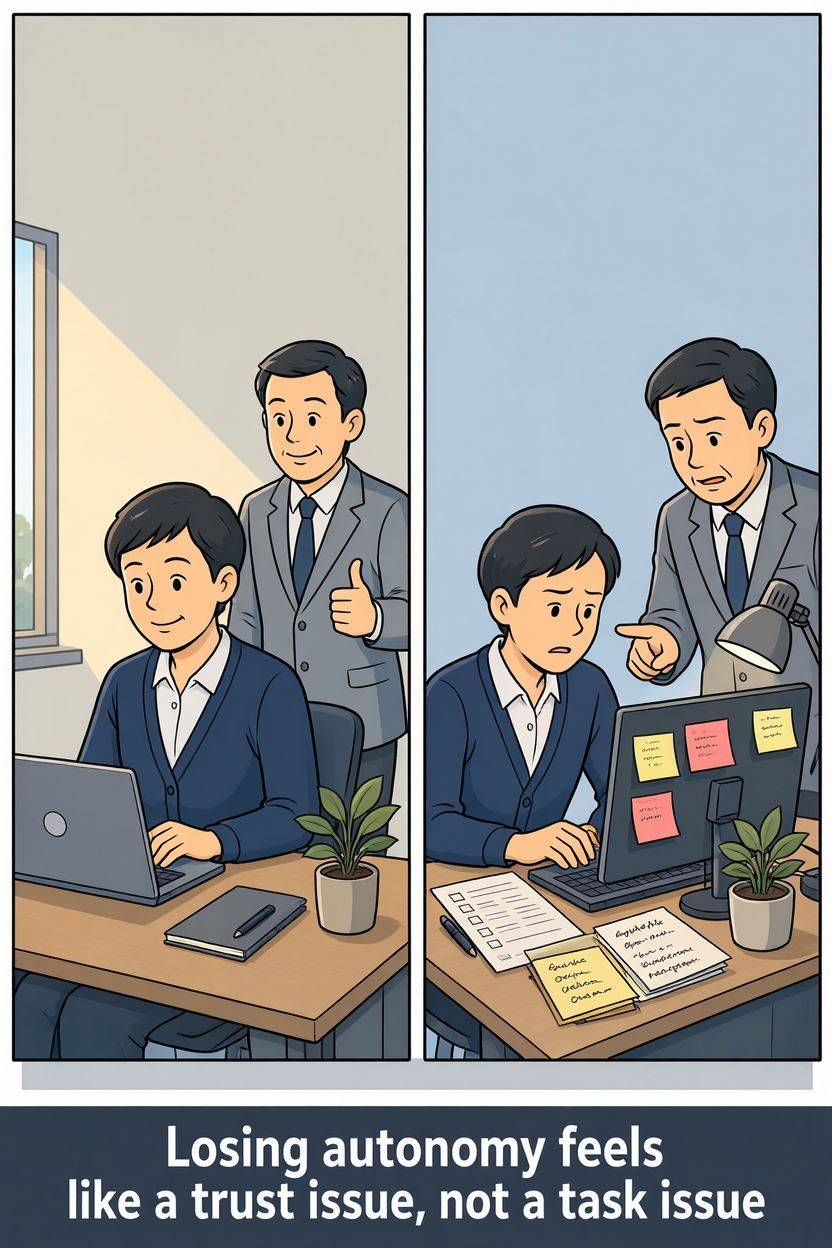
    Micromanagement after autonomy is frustrating because it rarely feels like a comment on your tasks. It feels like a comment on your trustworthiness. When new leadership starts checking in more than you are used to, the sting usually has less to do with the number of check-ins and more to do with what those check-ins seem to say about how much you are believed.

    (more…)
  • Why Productivity Systems Sometimes Increase Anxiety

    Why Productivity Systems Sometimes Increase Anxiety

    productivity

    Productivity systems increase anxiety when they replace the ordinary pressure of daily life with a stricter, always-on performance review of your own behavior. Instead of lightening your mental load, complex apps and rigid schedules often double it, turning rest, relationships, and even leisure into metrics you can fail. Understanding this pattern is the first step toward a calmer, more sustainable routine.

    (more…)
  • Why Do I Feel Guilty When I’m Not Working?

    Why Do I Feel Guilty When I’m Not Working?

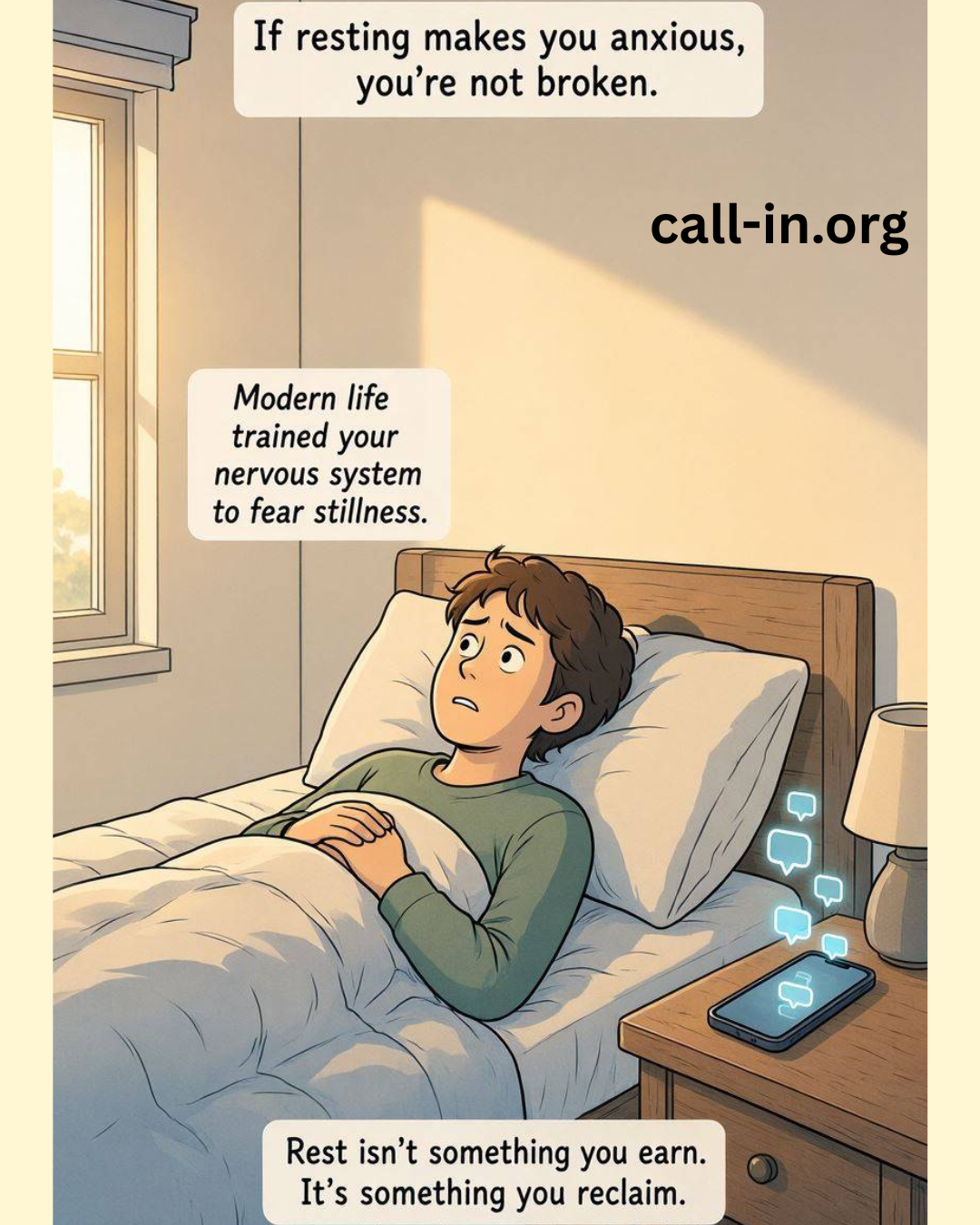
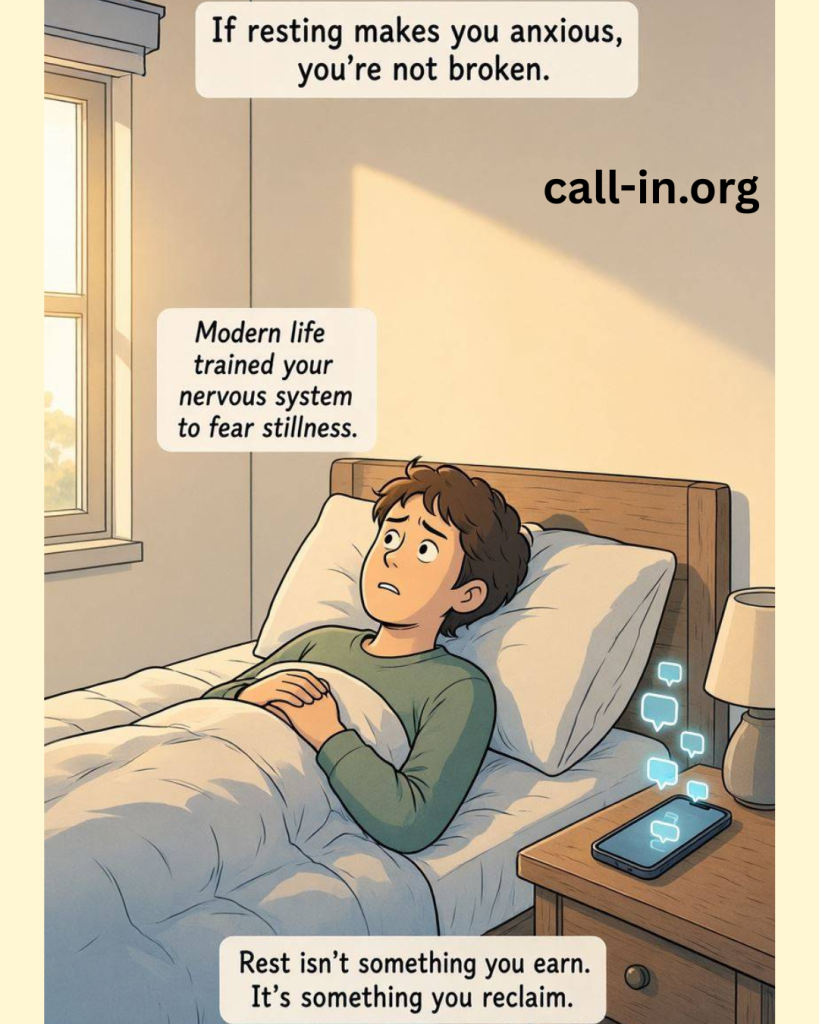
    Productivity guilt is the anxious, self-critical feeling that shows up the moment you stop working, even when you have nothing left to prove. It happens because modern life has quietly trained your brain to treat rest as a risk instead of a right. The good news is that this response is learned, which means it can also be unlearned.

    (more…)
  • Why Do I Feel Tired When Texting with People?

    Why Do I Feel Tired When Texting with People?

    texting emotionally draining

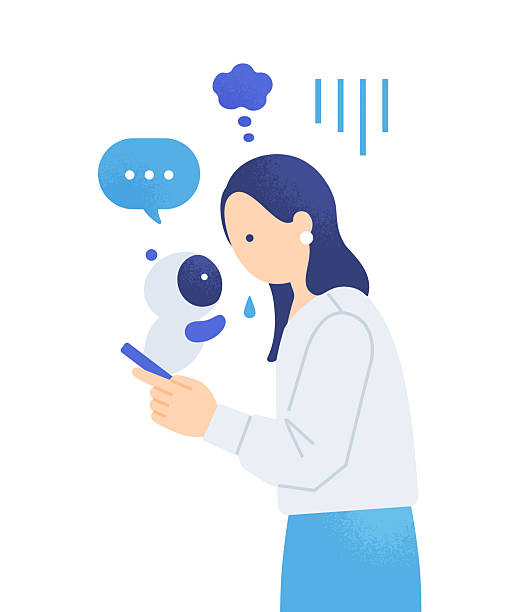
    Texting feels emotionally exhausting because it asks your brain to run a full conversation using almost none of the information a real conversation provides.

    You are guessing at tone, timing, and intention from a few typed lines, often while doing three other things at once. That mental load is measurable, well documented, and has nothing to do with how much you care about the person on the other end.

    (more…)
  • Why Do Notifications Feel Emotionally Draining?

    Why Do Notifications Feel Emotionally Draining?

    notifications feel emotionally draining

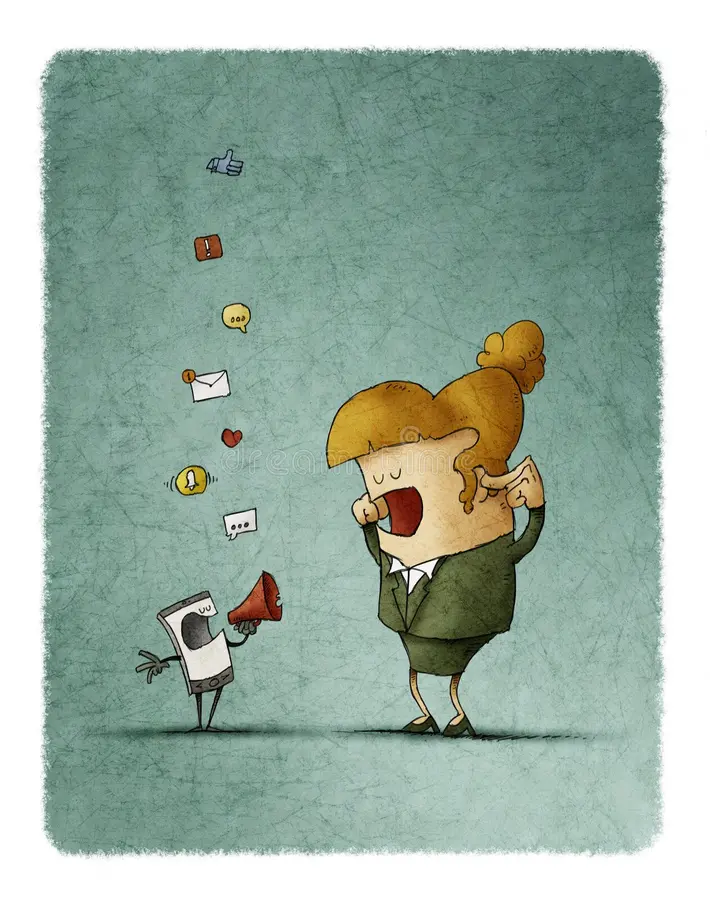
    Notifications feel emotionally draining because they trigger brief stress responses, force constant micro-decisions, and interrupt focus through what psychologists call attention residue. Each ping asks your brain to evaluate urgency, relevance, and social obligation in a fraction of a second. Multiply that by dozens of daily interruptions, and even a calm day can leave you feeling unexplainably worn out.

    (more…)
  • Why Does My Self-Worth Depend on Productivity?

    Why Does My Self-Worth Depend on Productivity?

    self-worth

    Quick answer: Many people tie their self-worth to productivity because of a mix of childhood praise, school systems, workplace culture, and social comparison that reward achievement and overlook rest. Over time, this teaches the mind to treat output as proof of value. This pattern is common and learned, which also means it can be gradually unlearned.

    (more…)
  • Why Do Promotions Feel Surprisingly Lonely?

    Why Do Promotions Feel Surprisingly Lonely?

    promotion feels lonely

    Quick answer: Promotions often feel lonelier than expected because success changes your workplace relationships, responsibilities, and access to peer support. Former colleagues become direct reports, casual conversations become more guarded, and the number of people you can speak candidly with tends to shrink. This is a well-documented pattern in leadership research, not a personal failing.

    (more…)
  • How Do You Recover From Emotional Labour?

    How Do You Recover From Emotional Labour?

    Quick answer: Recovering from emotional labour means restoring the emotional energy you spend on others. This involves setting boundaries around how much you take on, creating space to process your own feelings, and allowing yourself to receive support, not just give it. Sleep helps, but real recovery goes further than rest. It requires deliberate emotional recharge, practiced consistently.

    (more…)
  • Why Modern Life Turns Simple Feelings Into Diagnosis

    Why Modern Life Turns Simple Feelings Into Diagnosis

    diagnosis

    What if the deepest relief available to us is not a diagnosis, but the experience of being truly understood?

    A friend tells you she has been sleeping badly and feels flat most mornings. Fifteen years ago you might have asked what was weighing on her. Today the more automatic question is whether she thinks it might be depression.

    A colleague mentions he has been distracted at work and forgetting things, and within the same conversation someone suggests he look into ADHD.

    (more…)
  • Why a Safe Space to Vent Matters for Your Wellbeing

    Why a Safe Space to Vent Matters for Your Wellbeing

    A safe space to vent is any conversation where you can say what you are actually feeling without being judged, fixed, or minimized. It matters because holding emotions in carries real costs to your body and mind, while being heard, even briefly, can ease that weight almost immediately. The harder question is usually not whether you need one. It is where to find it.

    (more…)
  • Need Someone To Talk To? How To Find Support Online

    Need Someone To Talk To? How To Find Support Online

    If you typed “I need someone to talk to” into a search bar, you already did the hardest part. You named what you were feeling instead of pushing it down. That instinct is worth trusting. Whether you’re dealing with loneliness, overwhelm, or something you can’t quite name yet, real people and real options exist to help you feel heard today, not weeks from now.

    (more…)
  • Why Coming Out Feels Exhausting, Even When It Goes Well

    Why Coming Out Feels Exhausting, Even When It Goes Well

    coming out

    If you came out and it went perfectly, warmth, tears, instant acceptance, and you still feel wiped out days later, nothing is wrong with you. Coming out exhaustion is real, even after a perfect reaction. It has less to do with what your family said, and more to do with what your body and mind just survived to get there.

    (more…)
  • Affordable Therapy Alternatives: Low-Cost Support Options

    Affordable Therapy Alternatives: Low-Cost Support Options

    Affordable therapy alternatives exist for the many people priced out of traditional therapy or stuck on long waiting lists. Options range from sliding scale counseling to support groups, peer support platforms, and active listening services, each offering a different kind of help. Finding the right one starts with understanding what each actually provides.

    (more…)