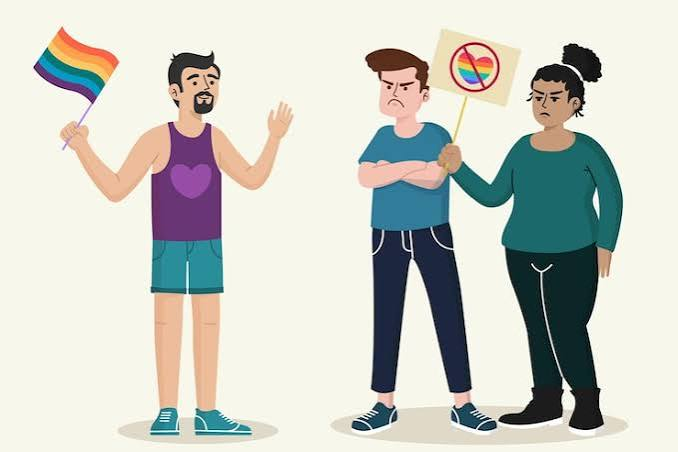
Family rejection tied to your identity is not the same as an ordinary disagreement. Research shows it can register in the body and brain like a genuine injury, not just hurt feelings.
Understanding why it hurts this much is not about excusing it. It is the first step toward protecting the truest parts of yourself, no matter how your family responds.
Key Takeaways
- Family rejection tied to identity activates overlapping brain regions with physical pain, according to neuroscience research on social rejection, which is part of why it can feel like a genuine wound rather than just hurt feelings.
- A landmark 2009 study by Dr. Caitlin Ryan and the Family Acceptance Project found LGBTQ young adults with high family rejection were far more likely to report a suicide attempt and high levels of depression than peers with accepting families.
- Family researchers have a name for the “we love you, but” dynamic: conditional acceptance, and studies show it creates ongoing strain even without an outright break in the relationship.
- A 2021 study in the Journal of Marriage and Family found LGBTQ adults often perform what researchers call conflict work to maintain family ties, frequently at real personal cost.
- Chosen family, built with friends, partners, and community, is consistently identified in research as one of the strongest protective factors against the effects of family rejection.
What Family Rejection Actually Does to You
Family rejection that targets who you are is not the same category of pain as a normal disagreement. It comes from the same relationships that are supposed to be your safest attachments, which is part of why it can feel so disorienting.
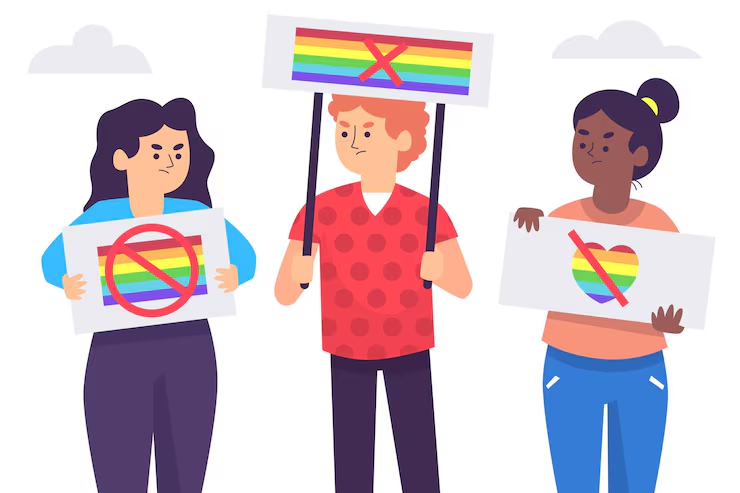
Some researchers describe this as a kind of existential invalidation, meaning the rejection is aimed at your identity itself, not just a disagreement over a choice you made.
Neuroscientists Naomi Eisenberger and Matthew Lieberman have shown that social rejection activates some of the same brain regions involved in processing physical pain, including the anterior cingulate cortex.
This does not mean identity-based rejection is imaginary or overstated. It helps explain why people so often describe it in physical terms, like a blow or an ache, rather than only an emotional one.
The health effects can be measurable, not just felt. A landmark 2009 study by Dr. Caitlin Ryan and the Family Acceptance Project, published in the journal Pediatrics, found that LGBTQ young adults who experienced high levels of family rejection during adolescence were 8.4 times more likely to report a suicide attempt and 5.9 times more likely to report high levels of depression than peers whose families were accepting.
If you are having thoughts of suicide, you are not alone, and support is available right now. The 988 Suicide and Crisis Lifeline can be reached by call or text, and The Trevor Project offers confidential, LGBTQ+ specific support by phone at 1-866-488-7386 or by texting START to 678-678.
Conditional Acceptance: The Rejection That Doesn’t Announce Itself
Family rejection rarely looks like a slammed door. More often it is quieter and more exhausting, a pattern family researchers have started calling conditional acceptance. It can sound like being loved as long as a partner is never mentioned around grandparents, or being tolerated as long as a name or pronouns go unacknowledged.
A 2021 study in the Journal of Marriage and Family described how LGBTQ adults perform what its authors named conflict work to hold these relationships together.
That can mean quietly educating parents, avoiding certain topics altogether, accepting ongoing low-level conflict, or firmly asserting a boundary once a topic becomes too costly. The researchers found this labor is real, and it tends to fall entirely on the person who was rejected in the first place.
Naming this pattern matters. Minimizing constant vigilance as simply “keeping the peace” can delay recognizing that this, too, is a form of harm worth taking seriously.
Decoupling Their Approval From Your Worth
None of this research changes what a parent or sibling believes. It can change what that belief is allowed to mean about you.
A family member’s inability to fully see you says something true about the limits of their understanding, culture, or fear. It does not contain any actual information about your worth or the reality of who you are.
This distinction sounds simple and rarely feels simple in the moment. It is one thing to know intellectually that someone else’s rejection is not a verdict on you. It is another to stop reaching for their approval as the measure of whether you are okay. That second part tends to take practice, not a single realization.
Boundaries That Match the Relationship’s Actual Safety
Family rejection research generally supports one flexible principle over any fixed script: boundaries should match the actual level of safety in a relationship, not some fixed idea of what a good child owes their family. Boundaries do not have to mean cutting someone off completely to still count as real boundaries.
For some people that looks like stepping out of the room when a comment crosses a line, or keeping a running list of topics that are simply off the table.
For others it means limiting contact to neutral, public settings, reducing the frequency of visits, or, in cases of ongoing harm, choosing distance or no contact entirely. None of these options is more valid than another. The right one depends on what actually keeps you steady, not on what looks most forgiving from the outside.
Building the Family You Choose
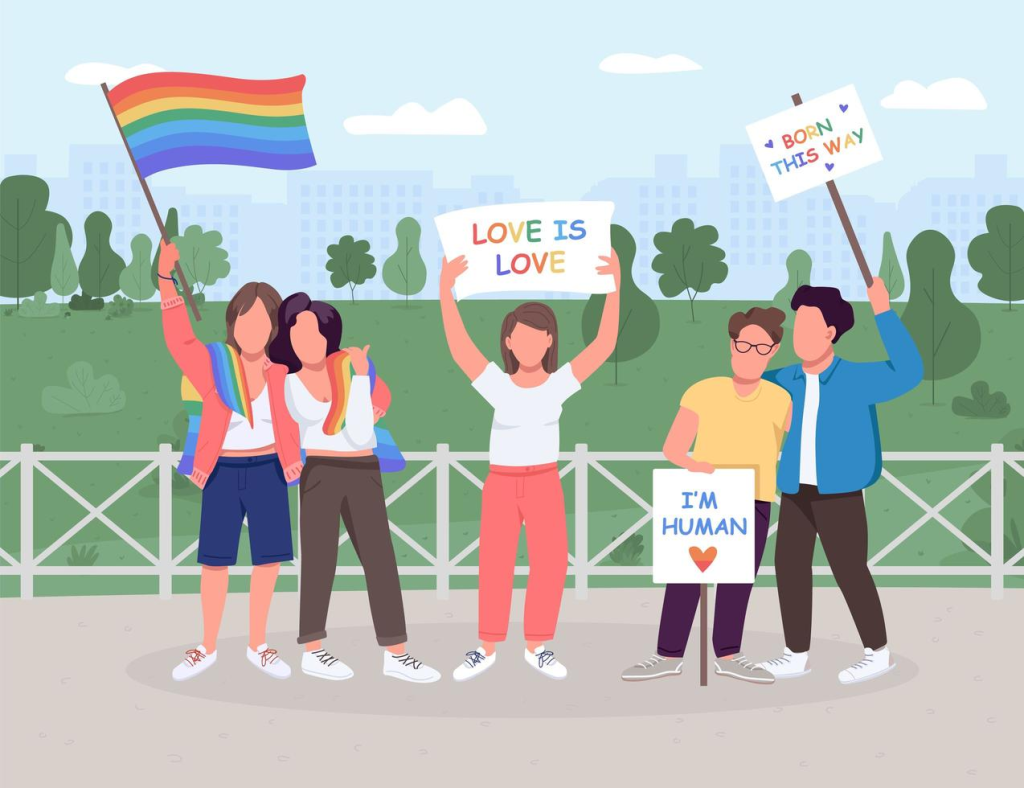
When a person’s family of origin withdraws warmth, it is common, and healthy, to look for that warmth elsewhere. Researchers studying LGBTQ+ communities consistently find that chosen family, built through friends, partners, mentors, and community, functions as one of the strongest protective factors against the health effects of minority stress and family rejection.
Building this kind of support rarely happens through one dramatic gesture, and it does not require replacing every biological relationship at once. It tends to grow the way any relationship does, through small, repeated moments of showing up for each other. Isolation after a rejection like this is common too, and reaching toward new people while still hurting from old wounds is one of the harder, more worthwhile things a person can do.
Reclaiming Your Own Narrative
There is a quieter shift underneath all of this. It is easy to measure a day by whether a parent finally came around, whether a comment landed better than expected, whether today felt like progress toward their approval. That metric hands enormous power to people who may never fully update their view.
A steadier question is available. Not “did my family accept me today,” but “did I stay honest about who I am today.” That second question is answerable no matter what anyone else does, which is exactly the point. You get to hold your own view of yourself, even while someone else’s view of you stays frozen in an old chapter.
For some people, having a confidential, non-clinical space to say all of this out loud, without worrying about becoming a burden to the friends or chosen family already carrying so much, is part of why platforms like Callin exist. It is not a replacement for therapy, especially where the rejection involved abuse or ongoing harm, but it can be a steady place to think out loud in between.
The version of you that survived a family’s rejection is not evidence that something is wrong with you. It is evidence that you are still here, still whole, and still allowed to define yourself on your own terms.
Frequently Asked Questions
Is family rejection actually traumatic, or is that an exaggeration?
Family rejection tied to identity activates some of the same neural pain circuitry as physical injury, and research links high levels of family rejection to significantly higher rates of depression and suicide attempts among LGBTQ+ young adults. It is reasonable to treat it as a serious injury rather than an ordinary disagreement.
What is conditional acceptance?
Conditional acceptance describes a family relationship where love or contact continues, but only if certain parts of a person’s identity stay hidden, unspoken, or unacknowledged. Researchers studying this pattern have found it creates ongoing strain even when there is no outright break in the relationship.
Is it okay to go no contact with a family member who rejects me?
Yes. No contact is a legitimate boundary, not a failure or an overreaction. Research on LGBTQ+ family relationships treats distance and estrangement as one valid option among several, to be chosen based on what actually keeps a person safe and stable.
How do I set boundaries without completely cutting off my family?
Boundaries exist on a spectrum, and cutting off contact entirely is only one option among many. Leaving a room during a hurtful comment, naming certain topics as off limits, or limiting visits to neutral settings are all boundaries that can coexist with an ongoing, if imperfect, relationship.
Does chosen family actually help, or is it just a consolation prize?
Research consistently identifies chosen family, built through friends, partners, and community, as one of the strongest protective factors against the mental health effects of family rejection and minority stress. It functions as real, substantive support, not a lesser substitute.
How do I stop needing my family’s approval to feel okay about myself?
This usually happens gradually, by practicing a different internal question, such as whether you stayed honest with yourself today, rather than whether a family member’s view of you improved. It tends to take repeated practice rather than a single decision.
Where can I find support if family rejection is affecting my mental health?
If you are having thoughts of suicide, the 988 Suicide and Crisis Lifeline and The Trevor Project (1-866-488-7386, or text START to 678-678) offer confidential, immediate support. For ongoing support, some combination of trauma-informed therapy, chosen family, and confidential non-clinical spaces to talk things through can all play a role.

Leave a Reply