
Someone may have referred you to a warmline, and you wondered, “What is a warmline?” In this article we will explore what they are and how they are different from crisis lines.
Unlike emergency hotlines, warmlines offer a supportive space before situations escalate. They connect you with trained peers who have lived experience with mental health challenges. These operators provide empathetic listening and practical coping tools without judgment.
Whether you feel isolated, stressed, or simply need an open ear, warmlines bridge the gap between daily struggles and acute crises. Let us dive into how this resource protects your well-being.
What is a Warmline?
What is a warmline? In simple terms, a warmline is a free, non-emergency phone, text, or chat service where you can talk to someone trained to listen, usually a peer with their own lived experience of mental health or emotional struggles, when you need support but you are not in crisis.
Unlike a crisis line, a warmline isn’t built to assess immediate danger or coordinate emergency intervention. It exists for the in-between moments: the lonely evenings, the overwhelming weeks, the days when you simply want someone to talk to who won’t judge you.
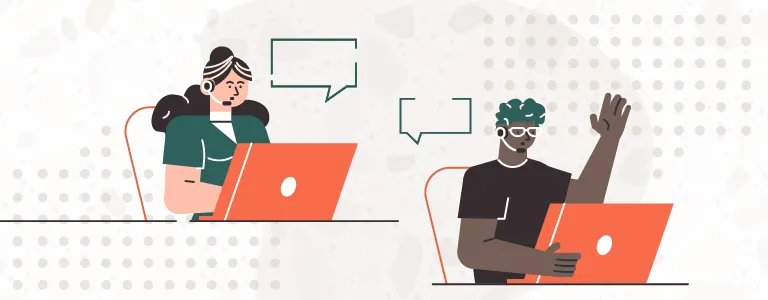
Many warmlines are staffed by trained peer specialists rather than clinicians. According to the Substance Abuse and Mental Health Services Administration (SAMHSA), peer support workers are people who have been through their own recovery process and use that lived experience, plus formal training, to support others facing similar situations.
Mental Health America’s warmline directory describes warmlines as phone, chat, or text lines that offer empathetic listening and a confidential, non-judgmental space for connection, and notes that people often report feeling less distressed and more empowered after reaching out to one.
Warmlines aren’t a brand-new idea. They grew out of the peer recovery movement, the same movement behind peer-run respites and recovery community organizations, on the premise that someone who has personally navigated a mental health or emotional struggle can offer a kind of understanding that’s hard to replicate any other way.
That’s also why a warmline tends to feel less formal than a crisis line: the goal isn’t to manage a risk, it’s to sit with you in whatever you’re going through.
What a Warmline Can Help With

A warmline is well suited to everyday emotional weather, not just stormy crises. People typically reach out to a warmline, or to peer support more broadly, for things like:
- Loneliness, including the kind of emotional loneliness that creeps in even when life looks fine from the outside
- General stress or feeling overwhelmed by work, family, or daily responsibilities
- Wanting someone to talk to after a hard day, a breakup, or a difficult piece of news
- Needing a safe space to talk through worry, grief, or uncertainty
- Feeling isolated, especially during a tough life transition
- Simply wanting emotional connection and non-clinical support without booking an appointment
What a Warmline Is Not
It matters just as much to be clear about what a warmline isn’t. A warmline is not a crisis hotline, not an emergency service, not therapy, and not medical treatment. Trained peer staff can listen, validate, and help you feel less alone, but they generally aren’t equipped to manage an active safety risk the way a dedicated crisis line is. If you or someone you love may be in danger, contact a crisis line or emergency service instead, such as the 988 Suicide & Crisis Lifeline in the United States, Samaritans at 116 123 in the UK and Ireland, or 911/999.
Key Takeaway: A warmline is a free, peer-staffed, non-crisis support line for everyday struggles like loneliness, stress, and feeling overwhelmed. It offers real emotional support and connection, but it complements, rather than replaces, crisis services, therapy, or medical care.
Crisis Line vs. Peer Support: The 5 Key Differences
Now that you have a working answer to what is a warmline, it helps to see how warmlines and peer support sit alongside crisis lines rather than in competition with them. Both are valuable, well-established parts of the mental health support landscape; they’re simply designed for different moments.
A crisis line exists for urgent safety.
A warmline or peer support service exists for ongoing connection and non-clinical support.
Knowing which one fits your situation can save you time and, more importantly, connect you with the kind of support hotline or peer support services that actually match what you need right now.
Difference #1: Purpose and Goals
Crisis Line:
- Immediate safety
- Crisis stabilization
- Emergency intervention
Peer Support:
- Connection
- Understanding
- Emotional support
When to use each one: Call a crisis line, such as 988, when you or someone else may be in danger, having thoughts of suicide, or experiencing a mental health emergency. Reach for peer support or a warmline when you’re safe but want someone to talk to, process a hard day, or simply feel less alone.
Difference #2: Who You’re Talking To
Crisis Line:
- Crisis counselors
- Trained hotline responders, often accredited through organizations such as the American Association of Suicidology
Peer Support:
- People with lived experience of mental health or emotional challenges
- Peer supporters, sometimes certified peer specialists trained in mentoring, listening, and recovery support
When to use each one: If you need someone trained specifically in safety planning and risk assessment, a crisis counselor is the right fit. If you want to talk with someone who has personally navigated something similar to what you’re facing, a peer supporter offers that shared understanding instead.
Difference #3: Types of Conversations
Crisis Line:
- Safety-focused questions
- Crisis assessment and short-term planning
Peer Support:
- Open-ended, unhurried conversation
- Emotional validation
- Shared understanding built on lived experience and supportive conversations
When to use each one: Choose a crisis line when the conversation needs to move quickly toward establishing safety. Choose peer support when you want room to simply talk, vent, or be heard, without the conversation being steered toward a formal assessment.
Difference #4: Urgency Level
Crisis Line:
- Immediate distress
- Safety concerns that can’t wait
Peer Support:
- Ongoing emotional support
- Everyday struggles like stress, loneliness, or life transitions
When to use each one: Urgency is really the deciding factor here, and it’s often the clearest way to think through what is a warmline for versus what a crisis line is for. If waiting even an hour feels unsafe, a crisis hotline is the right call. If you’re carrying the slower-burning weight of everyday emotional struggles, peer support and warmlines are built for exactly that pace.
Difference #5: Relationship and Experience
Crisis Line:
- Short-term, single-contact crisis support
- Conversations typically end once safety is established
Peer Support:
- Human connection that can continue over time
- Ongoing supportive conversations, sometimes with the same person or community
When to use each one: If you need a one-time intervention to get through a dangerous moment, a crisis line does that job well. If you’re looking for a recurring source of emotional support and mental health support over time, peer support services, including online peer support, are designed for that longer relationship.
It’s also worth remembering that these aren’t competing systems. Many crisis lines and warmlines actively work together; some crisis counselors will refer callers to a local warmline once the immediate risk has passed, recognizing that ongoing emotional support and ongoing peer support services are part of recovery, not a separate track from it.
If you ever find yourself bouncing between the two, that’s not a sign you’re doing it wrong, it’s a sign the support system is working the way it’s supposed to.
When to Choose Online Peer Support
Once you understand what is a warmline and how it differs from crisis intervention, the next natural question is when online peer support specifically makes sense. Online peer support has grown quickly because it removes a lot of the friction that keeps people from reaching out in the first place.
Situations Where Online Peer Support May Help
Online peer support tends to help most with:
- Feeling lonely, even when life looks fine on paper, something explored in more depth in Callin’s piece on why you might feel lonely even when you’re surrounded by people
- Wanting someone to talk to outside of typical office hours
- Emotional overwhelm from work, parenting, or caregiving
- Everyday stress that hasn’t reached crisis level but still feels heavy
- Life transitions like a move, a breakup, a job change, or a new diagnosis
- Relationship struggles you want to think through out loud
- Daily emotional challenges that don’t need a diagnosis, just a safe space to talk
Why Many People Prefer Online Emotional Support
A few practical reasons keep coming up when people explain why they reach for online emotional support instead of, or alongside, other options:
- Convenience: you can reach out from your couch, your car, or your break room
- Accessibility: no waitlists, referrals, or insurance approval required
- Privacy: many platforms offer anonymous or pseudonymous conversations, functioning almost like an online safe haven where you can speak honestly
- Affordability: online peer support and warmlines are typically free or far less expensive than traditional therapy.
- Comfort: talking from a familiar space, on your own schedule, lowers the barrier to actually reaching out for emotional connection
How Online Peer Support Complements Other Care
It’s worth repeating clearly: online peer support is not a replacement for emergency services, it is not therapy, and it is not medical treatment. What it is, is a valuable source of human connection for the in-between moments, the ones that don’t need a clinician but still deserve attention.
In Summary…
So, what is a warmline, in the end? It’s a free, peer-staffed, non-crisis support line built for the ordinary hard days, the lonely evenings, and the moments when you just need someone to talk to. It sits alongside, not in place of, crisis lines, which exist for urgent safety, and therapy, which exists for clinical treatment.
Across the five differences covered here, purpose and goals, who you’re talking to, the type of conversation, the urgency level, and the kind of relationship involved, the pattern is consistent: crisis lines are built for the moment, and peer support is built for the relationship. Both have real value. Neither is “better”; they simply answer different needs.
If you’re navigating an emergency, please use 988, Samaritans at 116 123, or your local emergency number, every time, without hesitation.
Frequently Asked Questions
Is a Warmline Free?
Most warmlines are free to access, funded by mental health organisations, charities, or government health programs. Availability and hours vary significantly by country and region. In the US, the SAMHSA directory lists warmlines by state. In the UK, options are more limited, though growing. Digital alternatives like Callin offer low-cost options where local warmlines don’t exist.
Can I use a warmline if I’m not in crisis?
Yes, that’s exactly what warmlines are for. You do not need to be in danger or acute distress. Warmlines welcome calls from people experiencing loneliness, anxiety, grief, stress, or simply needing someone to talk to. If you’ve been hesitating because you don’t feel “bad enough,” that hesitation is precisely what warmlines are designed to address.
What’s the difference between a warmline and a hotline?
A hotline, or crisis line, is for emergencies, staffed by trained responders equipped to handle acute mental health crises and coordinate emergency interventions. A warmline is for everyday emotional difficulty, staffed by peer supporters focused on listening and validation. The “warm” in warmline specifically signals its non-emergency, human-centred nature.
Are warmlines confidential?
Most warmlines operate with confidentiality as a core principle, though exact policies vary by service. In general, what you share will not be passed to third parties. If confidentiality is important to you, it’s worth checking the specific policy of the service you’re using before calling.
Do warmlines exist outside the US and UK?
Warmlines as a formal service model are most established in the US and UK, though peer support initiatives exist in Australia, Canada, and parts of Europe. In many regions, warmlines are not yet widely available. This is one reason digital peer support platforms operating globally, like Callin, have grown: they fill the geographic gaps.
What if I need more support than a warmline can offer?
Warmlines are honest about their limits. If your needs go beyond what a peer listener can provide, a good warmline will gently point you toward other resources, therapy, counselling, or, in emergencies, crisis services. Warmlines are a layer of support, not the whole system. If you’re feeling that you need more, that awareness itself is valuable, and worth acting on.
How is Callin different from a warmline?
Callin is a digital peer support platform available 24/7 worldwide, not a traditional warmline. Unlike most warmlines, Callin operates globally, is available via call-based sessions, and offers scheduled or on-demand support with a consistent, trained listener. It’s designed for the same emotional space as a warmline, everyday difficulty, not crisis, but without geographic or hours-based restrictions.
Is peer support evidence-based?
Yes. A growing body of research supports peer support as an effective complement to professional mental health care. Studies published in journals including Psychiatric Services and BMC Psychiatry have found peer support significantly reduces feelings of isolation and improves emotional wellbeing. It does not replace clinical care, but for sub-clinical emotional difficulty, peer connection is one of the most consistently effective forms of support available.
Sources
- SAMHSA, 988 Suicide & Crisis Lifeline
- SAMHSA, Peer Support Workers for Those in Recovery
- NAMI, 988: Reimagining Crisis Response
- Mental Health America, What Is Peer Support?
- Mental Health America Screening, Need to Talk to Someone? (Warmlines)
- World Health Organization, Commission on Social Connection
- 988 Suicide & Crisis Lifeline, 988lifeline.org
- NHS, Where to Get Urgent Help for Mental Health
- Samaritans, Contact Us

Leave a Reply