
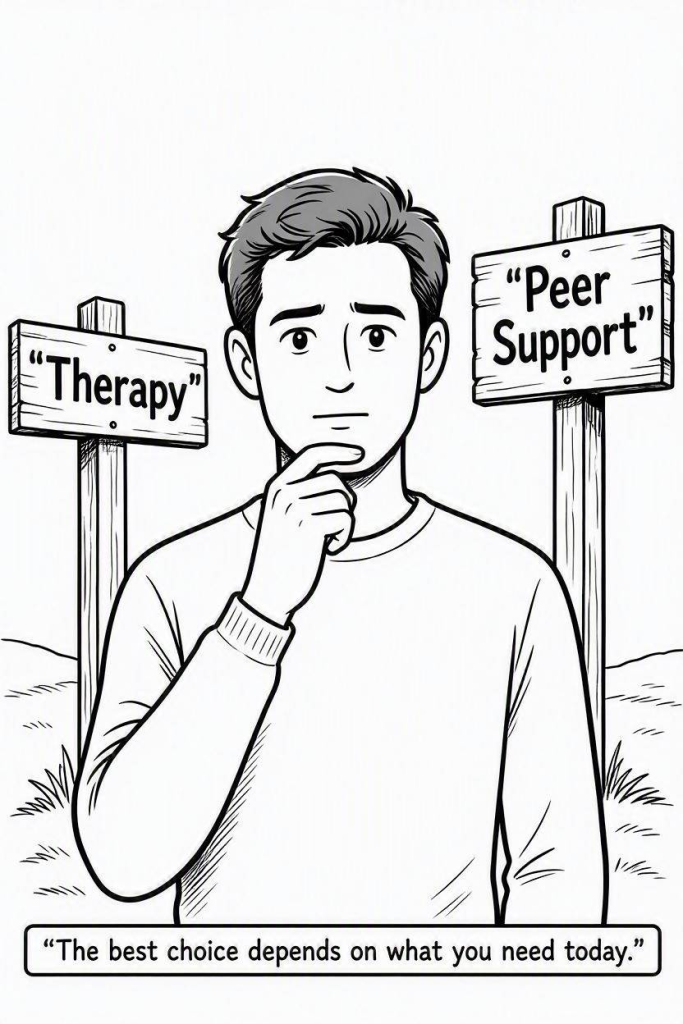
Talking about mental health when your family doesn’t understand often starts with one quiet decision: you still need to be heard, even if the people closest to you cannot fully meet you there.
Many people grow up in homes where emotions stay private, strength means silence, or struggle is framed as something to push through alone. Your experience remains real regardless of their response.
Key takeaways
- You can share what you need without convincing anyone of a diagnosis.
- Clear, short statements often work better than long explanations.
- Boundaries protect your energy when responses stay dismissive.
- Support outside the family is valid and often necessary.
- Safety and timing matter more than perfect wording.
Mental health conversations land differently across families. Some households treat feelings as private. Others view professional support as unnecessary or even shameful. Generational differences, cultural values around resilience, and past experiences all shape how relatives react. None of those factors erase what you feel.
Why families sometimes struggle to understand
People often respond from fear, unfamiliarity, or their own limited emotional toolkit. A parent who grew up without language for anxiety may hear “I’m struggling” as a critique of their care. In some cultural contexts, discussing inner life can feel like exposing the family to judgment. Stoicism or faith-based coping may be the only models they know.

These patterns appear across many communities. Research and clinical observation show that stigma around mental health remains common, especially when earlier generations lacked access to accurate information. The result can feel isolating for the person trying to speak.
Preparing for the conversation
Decide your goal first. Do you want listening, practical help, or simply to stop hiding? Write a few short sentences that name the impact on your daily life rather than a clinical label. Choose a calm moment and one person who has shown even partial openness.
Side-by-side settings sometimes feel easier than face-to-face intensity. A walk or a quiet drive can lower pressure for some people, including many men who find direct eye contact harder when discussing vulnerability. You can read more about that pattern in Why Men Find It So Hard to Seek Emotional Support and The Side-by-Side Strategy: How Men Build Emotional Safety.
Keep expectations realistic. One conversation rarely rewrites family culture. Progress can look like less interruption or a single moment of quiet listening.
Language that often helps
Use “I” statements that stay specific and short.
“I have been feeling overwhelmed and it’s affecting my sleep and focus. I wanted you to know.”
“I’m working on this with support outside the family. What helps me most right now is being heard without advice.”
If they minimize, you can gently redirect:
“I hear that you see this as ordinary stress. For me it has become harder to manage alone, so I’m taking steps.”
If they offer only solutions, try:
“Thank you for the ideas. Right now I mainly need someone to listen.”
These approaches draw from communication tools used in psychology practice. Psychology Today and similar established sources often recommend focusing on impact and needs rather than debate.
Setting boundaries without cutting connection
You do not have to keep explaining yourself. A boundary can sound like:
“I’m not open to debating whether this is real. I am taking care of it in the way that works for me.”
You can limit how much detail you share. You can change the subject or step away when the conversation turns critical. Protecting your energy is not selfish. It is practical.
For some people, especially those navigating identity or coming-out stress on top of emotional strain, family conversations carry extra weight. Resources such as Why Coming Out Feels Exhausting, Even When It Goes Well and LGBTQ+ Emotional Support Online: A Confidential Place to Talk Without Judgment can offer additional context.
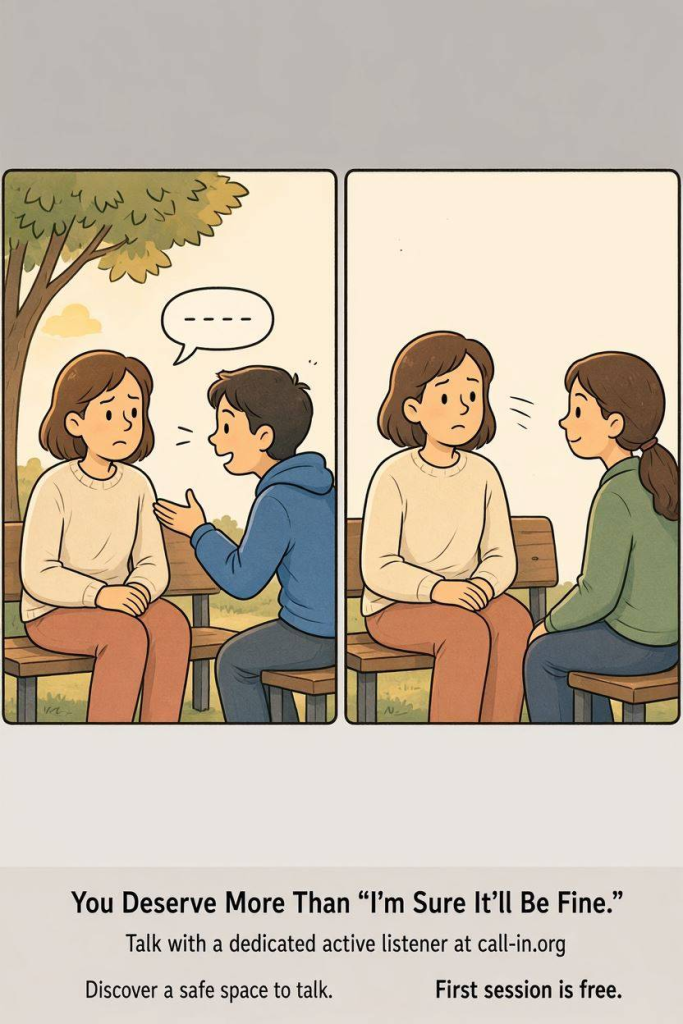
When family support is limited, other options exist
You can build support elsewhere. Friends, chosen family, peer groups, and non-clinical listening spaces all count. Warmlines offer non-crisis peer support that differs from emergency lines. Learn the distinctions in What is a Warmline? 5 Key Differences Between Crisis Lines and Peer Support.
Affordable and online options make it possible to talk without relying on relatives who cannot meet you. Explore practical starting points in 8 Easy & Affordable Emotional Support Options and Online Emotional Support: Define Success on Your Own Terms.
Men who find vulnerability difficult may benefit from approaches that reduce pressure, as outlined in Why Men Struggle to Express Vulnerability (And What Helps).
Safety and scope
If any family member becomes hostile, controlling, or unsafe when mental health is raised, prioritize your physical and emotional safety first. In situations of immediate danger, contact local emergency or crisis services. Non-clinical support is not a substitute for crisis care or professional treatment when those are needed.
Callin provides a confidential, non-clinical space for emotional support and active listening. It is designed for people who want to talk through everyday struggles, family dynamics, or the weight of feeling misunderstood, without judgment or the expectation of diagnosis. It does not replace therapy or emergency services.
Many readers find relief simply knowing a private conversation is available when family conversations stall. You can learn more about using Callin as a safe space to vent if that feels useful.
FAQs
What if my family thinks mental health struggles are a sign of weakness?
You can state your experience simply and stop there. Their view does not have to become your view. Support from outside the family remains valid.
How do I respond when they say “just think positive”?
Acknowledge the intention and redirect: “I appreciate the suggestion. What helps me more is being able to talk about how this feels.”
Is it okay to stop talking about it with them?
Yes. You can decide the topic is closed with certain people while still seeking understanding elsewhere.
What if cultural or religious values make the conversation harder?
Frame needs in language that connects to shared values when possible, such as strength through care or family wellbeing. Still protect your own boundaries if the response stays closed.
Can I talk about mental health without using clinical terms?
Absolutely. Many people describe the impact on sleep, energy, concentration, or mood instead of labels.
Where can I turn if family support stays limited?
Peer support, warmlines, trusted friends, and non-clinical listening platforms all offer alternatives. Choose what fits your safety and access needs.
How do I know when I need more than family conversation?
If distress feels overwhelming, persistent, or affects daily functioning, professional assessment may help. Non-clinical support can still sit alongside that care.
How this connects to the UNSDGs
This topic supports SDG 3, Good Health and Well-Being, by helping people access emotional support and reduce isolation even when family understanding is limited. It also touches SDG 10, Reduced Inequalities, because cultural, generational, and social barriers often restrict equal access to being heard.
Sources or Further Reading
- Psychology Today articles on family communication and mental health conversations
- National Alliance on Mental Illness (NAMI) resources for families and individuals
- American Psychiatric Association guidance on supporting loved ones
- World Health Organization materials on mental health and stigma
Final one-sentence CTA
If you need a confidential place to talk when family does not understand, you can explore Callin’s non-clinical emotional support options at your own pace.

Leave a Reply