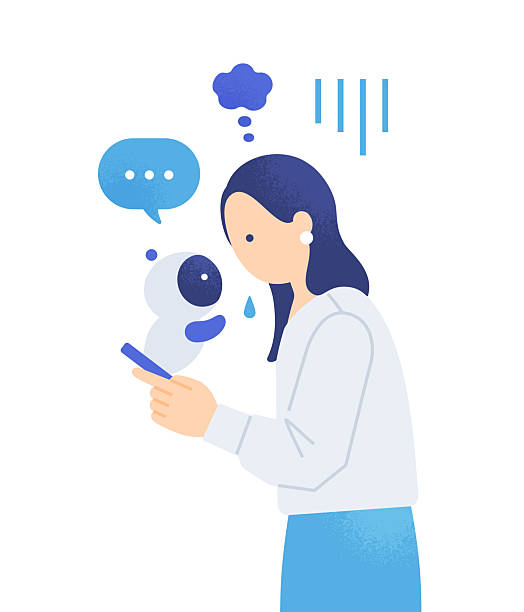
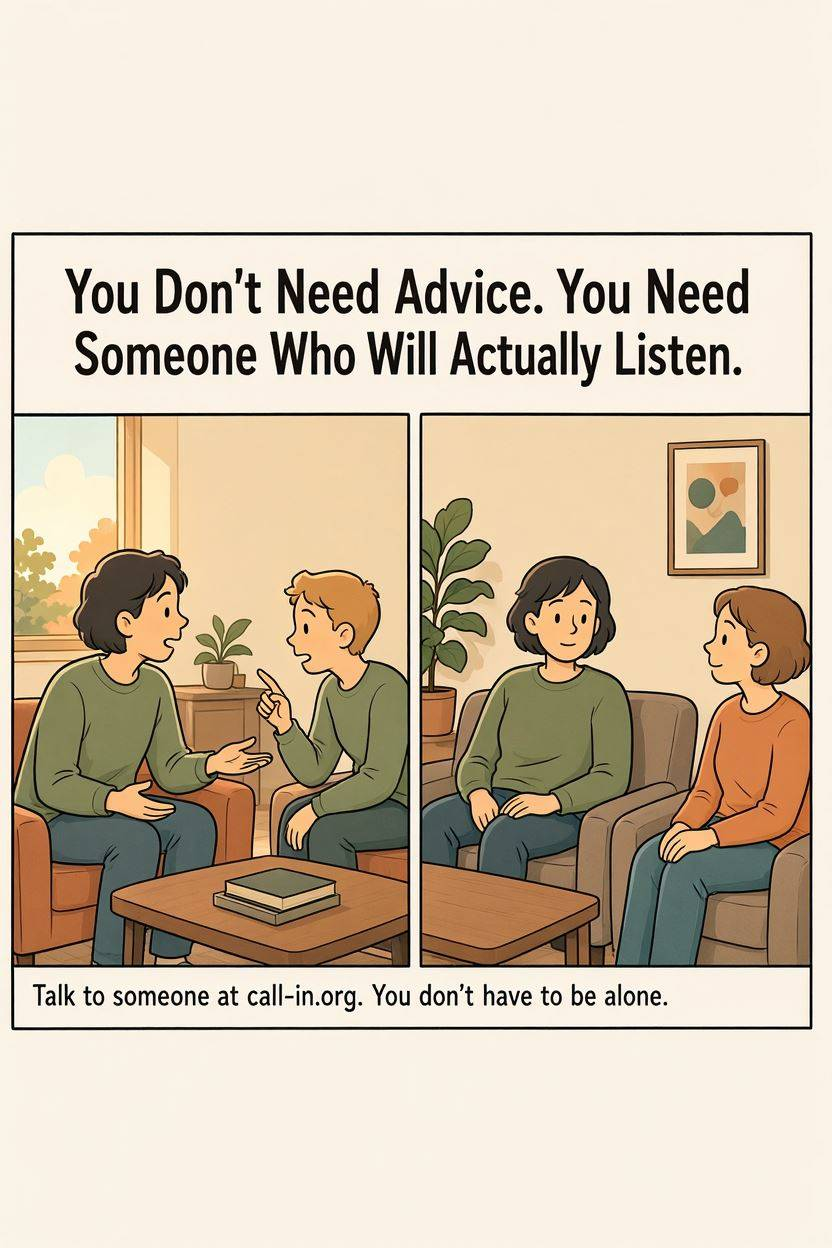
If overthinking has taken over and you need someone to talk to right now, non-clinical peer support can connect you with a trained listener the same day, often within minutes, with no diagnosis or appointment required.
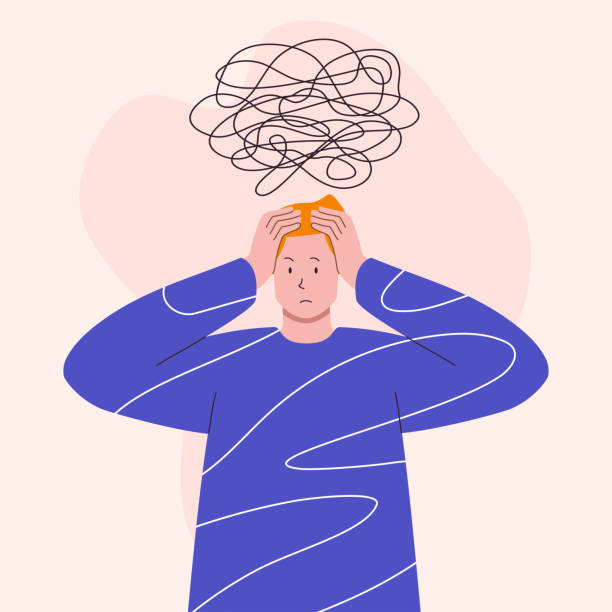
The looping thoughts that feel unbearable at midnight usually just need an outside voice to interrupt them. Here is why the spiral happens and how to actually break it.
Emotional numbness is what a nervous system does when it has been asking for a rest longer than anyone noticed and never got one. It is not a character flaw, and it does not respond to being thought about harder. I did not understand that until an ordinary Saturday in my garage, sanding a fender that did not need sanding, waiting to feel something and feeling nothing at all.
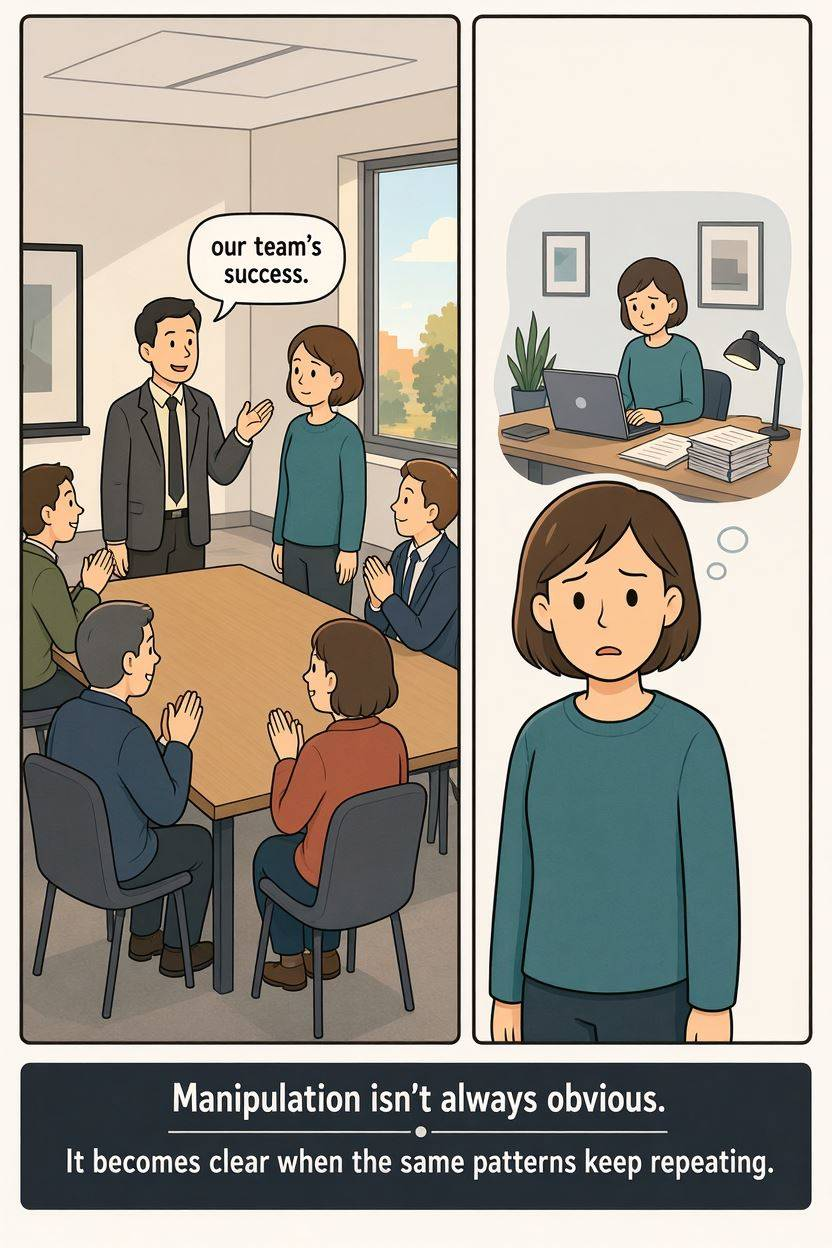
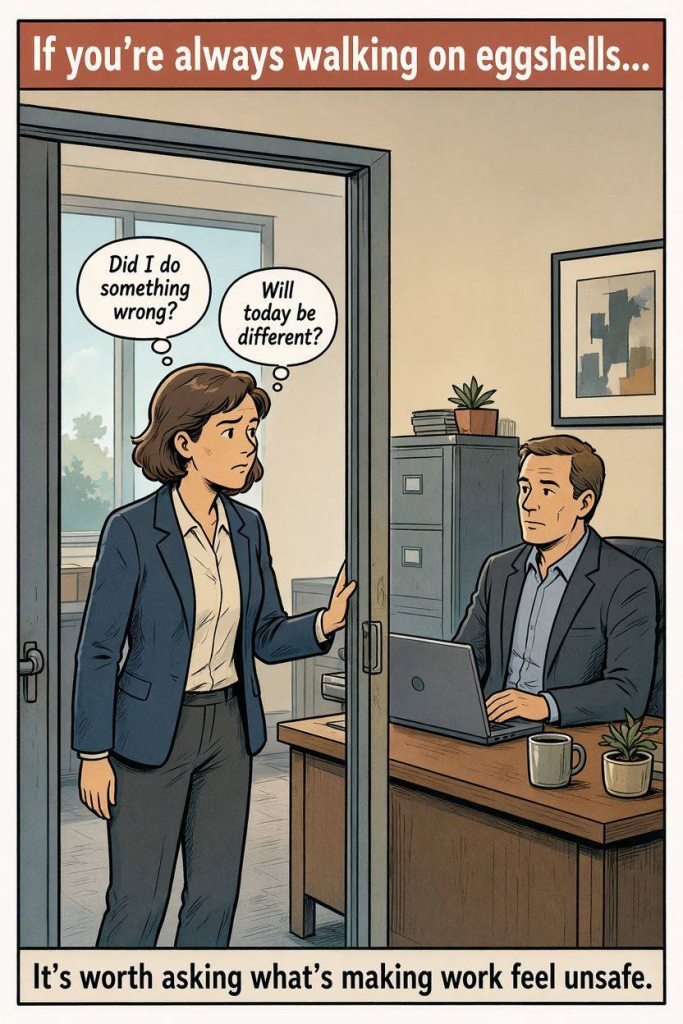
A manipulative boss is not always the person who yells or slams doors. More often, they are the one who leaves you replaying conversations at midnight, unsure if you did something wrong. Manipulation at work tends to be quiet, cumulative, and easy to dismiss as overreacting. Learning its real signs is the first step toward trusting yourself again.
Texting feels emotionally exhausting because it asks your brain to run a full conversation using almost none of the information a real conversation provides.
You are guessing at tone, timing, and intention from a few typed lines, often while doing three other things at once. That mental load is measurable, well documented, and has nothing to do with how much you care about the person on the other end.
Quick answer: Texting cannot fully replace real conversation because it strips away tone of voice, timing, and immediate emotional feedback. It works well for logistics and quick check-ins, but conversations involving emotional support, nuance, or difficult topics tend to go better over a call or in person, where more of the actual message can come through.
If you typed “I need someone to talk to” into a search bar, you already did the hardest part. You named what you were feeling instead of pushing it down. That instinct is worth trusting. Whether you’re dealing with loneliness, overwhelm, or something you can’t quite name yet, real people and real options exist to help you feel heard today, not weeks from now.
Affordable therapy alternatives exist for the many people priced out of traditional therapy or stuck on long waiting lists. Options range from sliding scale counseling to support groups, peer support platforms, and active listening services, each offering a different kind of help. Finding the right one starts with understanding what each actually provides.
Modern healthcare excels at treating emotional crises. It has paid far less attention to preventing them. Perhaps it is time to change that.
Most adults maintain a small, quiet infrastructure of prevention without ever thinking of it that way. A dentist appointment twice a year, regardless of whether a tooth hurts.
An oil change before the engine makes a sound. A cardiovascular screening scheduled well before any symptom appears. None of these habits wait for a crisis. They exist precisely to keep a crisis from happening at all.
Quick Answer: You can talk to a warmline, an anonymous peer support space, or a professional active listening service. Each option gives you a place to speak openly without worrying about your friend’s schedule, mood, or emotional capacity. These options exist because friendship was never designed to carry every emotional load on its own. Choosing one is not a failure. It is a practical way to get support that fits the moment you are in right now.
Emotional Needs are no longer adequately met by the traditional relationship categories of romantic partners, friends, and therapists. Today, partners are overwhelmed by expectations to fulfill every role, while adult friendships have shifted toward light maintenance rather than deep processing.
Meanwhile, everyday struggles are increasingly pathologized and routed to strained clinical therapy systems. This structural shift creates a massive support gap. Adults find themselves socially connected yet lacking a space to process life without clinical labels or burdening loved ones.
Consequently, new relational infrastructure, like dedicated listening services, is emerging to hold the weight conventional relationships can no longer carry.
If you need to vent to someone right now, you have more options than it probably feels like in this moment. Free choices include warmlines, trained peer listener platforms, and the people already in your life.
Paid choices include non-clinical support platforms and licensed therapy. Each one solves a different problem, and knowing the difference can save you a disappointing conversation tonight.
Feeling lonely while living alone is common and is not a personal failure. About half of U.S. adults reported loneliness even before the pandemic, per the U.S. Surgeon General’s 2023 advisory.
Solitude and isolation are different states. Solitude is chosen and restful. Isolation happens when a person cannot easily access connection, even if they wanted to.
Spontaneous connection has declined as informal “third places” such as pubs, clubs, and community centers close or shrink in number.
Consistency matters more than occasional socializing. Research links frequent, predictable contact, not just any contact, to lower loneliness.
Emotional support for people living alone now comes from many sources: friends, family, community groups, and newer options like structured peer listening and warmlines.
Building connection is a practice, not a personality trait. Small, repeatable habits create more reliable support than waiting for spontaneous interaction to happen.
To make friends as an adult might be hard for a good number of us. And it’s not our fault. The reason being that structured social environments disappear after school and college. Life gets busier and more fragmented. Even workplace friends might be a no-go for some of us. Most adults feel this, silently. The good news: authentic connection is still possible at any age, in any country, with any schedule. These 7 practical steps will help you understand why friendship feels so difficult, and what you can actually do about it.
Have you been called a people pleaser? A people pleaser is someone who habitually prioritizes others’ needs and approval over their own, often at the expense of personal wellbeing, driven by fear of rejection, conflict avoidance, or learned conditioning. This people pleasing behavior extends beyond kindness into self-neglect that can lead to emotional exhaustion and burnout.
People pleasing is common because social, family, and cultural factors often reward agreeableness while discouraging assertiveness. While caring for others strengthens bonds, chronic people pleasing erodes self-respect and emotional health.
This article outlines 11 evidence-based ways to stop being a people pleaser while addressing the 11 common signs, the psychology behind the struggle, impacts on wellbeing, and how to set healthy boundaries. These strategies support building self-worth, healthier relationships, and authentic kindness that includes yourself.
“My boss isn’t motivating me, they’re dimming my shine.” If you’ve whispered this in the break room, if you feel invisible at work even though you’re a high performer, if you’re feeling burnout, if you’re not feeling recognised at work, or if you’ve even cried about work in your car, you’re not alone.
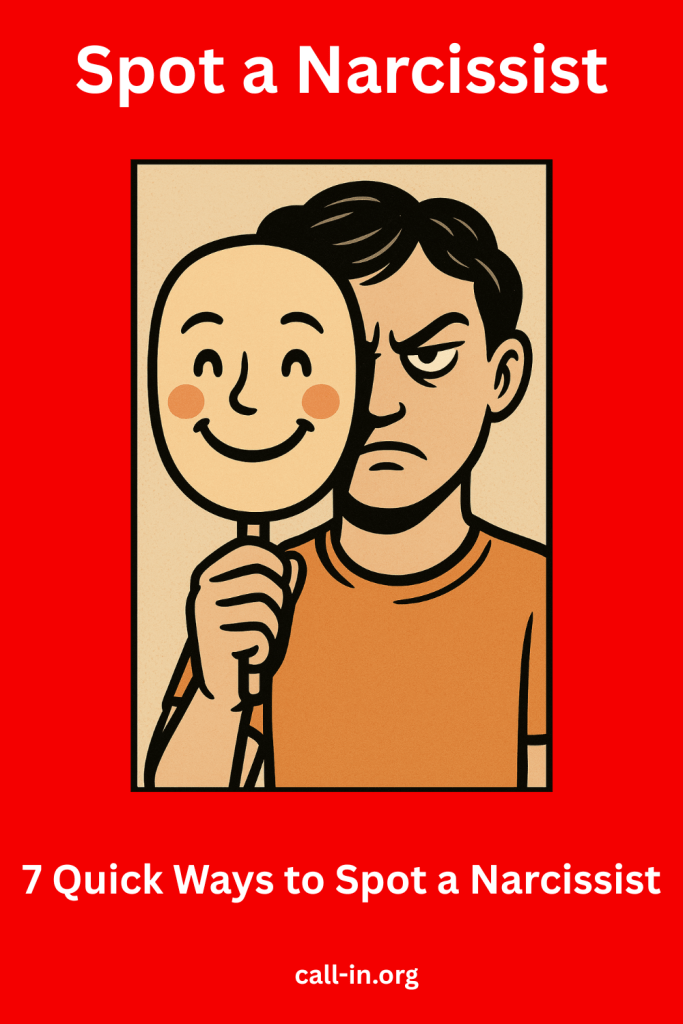
Your body always knows first. If you’ve ever felt uneasy around someone but couldn’t explain why, keep reading. Here, you’ll read the 7 early red flags your nervous system picks up in the first 10 minutes of meeting a narcissist. From subtle body language cues to the gut-level discomfort you can’t quite name. So, learn how to spot manipulation before it starts. Trust your instincts. Read the room. Protect your energy.
To provide the best experiences, we use technologies like cookies to store and/or access device information. Consenting to these technologies will allow us to process data such as browsing behavior or unique IDs on this site. Not consenting or withdrawing consent, may adversely affect certain features and functions.
Functional
Always active
The technical storage or access is strictly necessary for the legitimate purpose of enabling the use of a specific service explicitly requested by the subscriber or user, or for the sole purpose of carrying out the transmission of a communication over an electronic communications network.
Preferences
The technical storage or access is necessary for the legitimate purpose of storing preferences that are not requested by the subscriber or user.
Statistics
The technical storage or access that is used exclusively for statistical purposes.The technical storage or access that is used exclusively for anonymous statistical purposes. Without a subpoena, voluntary compliance on the part of your Internet Service Provider, or additional records from a third party, information stored or retrieved for this purpose alone cannot usually be used to identify you.
Marketing
The technical storage or access is required to create user profiles to send advertising, or to track the user on a website or across several websites for similar marketing purposes.