
Texting feels emotionally exhausting because it asks your brain to run a full conversation using almost none of the information a real conversation provides.
You are guessing at tone, timing, and intention from a few typed lines, often while doing three other things at once. That mental load is measurable, well documented, and has nothing to do with how much you care about the person on the other end.
Key Takeaways
- Texting fatigue is a documented response to cognitive overload, not a sign that you are a bad friend, partner, or family member.
- Your brain treats an unread text like an unfinished task, and unfinished tasks quietly drain focus long after you have looked away from your phone.
- Texting strips out most of the vocal tone, timing, and body language your brain normally uses to read intent, which forces it to work harder to fill in the gaps.
- The habit of replying within minutes has quietly rewritten social expectations, since a landline call or a face-to-face visit never demanded the same round-the-clock availability.
- Small, deliberate changes to how and when you engage with your phone, alongside outlets that do not run through a screen, can meaningfully ease the burden.
The Exhaustion Is Real, and It Has a Name
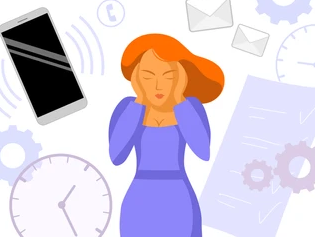
If you have ever stared at an unread message and felt a mix of guilt and dread, you are not imagining things. Researchers studying digital communication describe this as message fatigue, an aversive state that builds when incoming texts outpace a person’s capacity to respond to them meaningfully.
A study on instant messaging behavior found that communication overload and social overload both predict higher fatigue and technostress, and that both states are linked to a real desire to disengage from messaging altogether.
The impulse to put your phone face down and walk away, in other words, is not avoidance for its own sake. It is a documented, almost predictable outcome of asking a single channel to carry too much of your social life.
Your Brain Was Not Built to Hold a Conversation in the Background
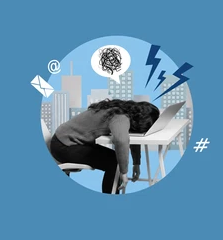
Part of what makes texting so draining is that it rarely happens in isolation. You reply between meetings, while cooking, or mid-scroll through something else, and your brain pays a real price for that fragmentation.
Organizational psychologist Sophie Leroy, in her research at the University of Washington, found that when people switch away from an unfinished task, a portion of their attention stays behind with it. She called this attention residue, and it means a quick glance at a text can leave a mental thread dangling far longer than the glance itself lasted.
Separately, Gloria Mark and her colleagues at the University of California, Irvine, found it can take over twenty minutes to regain deep focus after an interruption, which helps explain why notifications feel emotionally draining well beyond the second it takes to read one.
Here is something most advice about texting misses: unlike a phone call, a text conversation rarely has a clear ending. A call closes with a goodbye. A text thread just goes quiet, which means your brain never gets the clean signal that would let it fully let go. That missing sense of closure, not the message itself, may be doing much of the damage.
Why a String of Text Feels Harder to Read Than a Voice
Long before texting existed, communication researchers Richard Daft and Robert Lengel described something called media richness theory, which ranks communication channels by how much information they can carry.
Face-to-face conversation sits at the richest end, since it delivers tone, pacing, and expression all at once.
Text sits at the leanest end, stripped down to words alone.
Media theorists have argued for decades that this gap forces the brain to do extra interpretive work, filling in the tone and intent that a voice or a face would have supplied automatically.
Interestingly, more recent research complicates the popular idea that texting always leads to misread tone. A 2025 study found that people are often more accurate at reading a text’s intended tone than conventional wisdom suggests.
That points to a more precise explanation for texting fatigue than simple misunderstanding. The exhausting part is usually not getting the tone wrong. It is the anticipatory labor of managing timing and calculating what a delay might imply, all before you have even hit send.
Texting can’t fully replace the real thing precisely because that labor disappears the moment you can hear someone’s voice.
The Inbox That Never Closes
Before smartphones, solitude had natural edges. Once you left the office or hung up the landline, your attention belonged to whatever was in front of you.
A phone that can receive messages at any hour removes those edges, and a text inbox starts to function less like a mailbox and more like a running ledger of social debts.
Every unread message becomes a small obligation stacked on top of your actual responsibilities, and a group chat can multiply that pressure fast, which is part of why group chats can leave people feeling oddly lonely rather than connected.
Texting was built to remove the friction of scheduling a call, yet it has quietly been asked to carry the emotional weight of real intimacy instead.
The Avoidance Cycle: Guilt, Delay, and the Wall of Unanswered Messages
When message volume outpaces your emotional bandwidth, withdrawal often follows, and researchers studying messaging behavior have linked overload directly to a rising intention to disengage from a platform altogether. You pull back to protect your energy, but the messages keep arriving quietly in the background.
By the time you return to your phone, a small backlog has turned into something closer to a wall, and the guilt of that wall can be enough to make you close the app again. If this cycle sounds familiar, a few concrete steps for when everything feels like too much can help more than treating the pileup as a personal failure.
What Genuinely Helps When Texting Feels Like Too Much
There is no single fix, but a few shifts help. Batching replies into two or three windows a day, rather than answering the instant a message arrives, gives your attention residue a chance to clear between checks. Reserving emotionally loaded topics for a call or an in-person conversation removes guesswork that text alone cannot resolve.
Telling a close friend or partner that you reply a little slower than you read, and that the delay says nothing about how much you value them, can quietly dissolve a lot of unspoken tension.
None of this requires disappearing from people’s lives. It simply means letting the channel match the conversation, instead of forcing every conversation through the same narrow, text-shaped door.
When You Need a Human Voice, Not Another Notification
Sometimes the most restorative thing is not a strategy at all, but simply talking something through out loud with another person. Many people find value in having an objective, confidential, non-clinical space to process their thoughts without worrying about burdening the friends, family, or partners they already lean on.
That is part of why some people turn to someone to talk to when they do not want to burden their friends, a real-time conversation rather than another thread to manage.
Callin is not therapy, and it is not meant to replace the professional support a person may need. It is simply a place where the voice, not the text bubble, gets to do the work.
Frequently Asked Questions
Is texting fatigue a real psychological phenomenon?
Yes. Researchers studying instant messaging behavior have identified message fatigue and technostress as measurable responses to communication overload, distinct from general tiredness or disinterest in the people you are texting.
Why do I get more anxious replying to texts than talking on the phone?
Text strips out tone of voice, pacing, and facial expression, the cues your brain normally uses to judge intent. Without them, your mind has to work harder to interpret a message, which can feel like low-grade vigilance rather than simple communication.
Why do I avoid replying to texts even when I care about the person?
Avoidance is often a response to overload rather than a lack of care. When incoming messages outpace your emotional bandwidth, pulling back can feel like the only way to protect your remaining focus, even though it creates guilt afterward.
Can constant notifications actually affect my mental health?
Frequent interruptions have been linked to longer recovery times for focus and higher reported stress in workplace and communication research. Over a full day, that steady drip of interruptions can add up to genuine mental fatigue.
How can I reduce text message anxiety without shutting people out?
Setting specific times to check and reply to messages, saving harder conversations for a call, and being honest with close contacts about your response pace can all reduce pressure without reducing connection.
Is it normal to need a break from texting?
Yes. Wanting distance from a constant stream of messages is a common and well-documented response to communication overload, not a sign of social withdrawal or a strained relationship.

Leave a Reply