
Productivity systems increase anxiety when they replace the ordinary pressure of daily life with a stricter, always-on performance review of your own behavior. Instead of lightening your mental load, complex apps and rigid schedules often double it, turning rest, relationships, and even leisure into metrics you can fail. Understanding this pattern is the first step toward a calmer, more sustainable routine.
Key Takeaways
- Productivity systems often add meta-work, the hidden labor of managing the system itself, which increases cognitive load instead of reducing it.
- Gamified features like streaks and progress bars can turn ordinary setbacks into feelings of failure and low-grade panic.
- Rigid time-blocking removes the natural slack your brain needs to absorb life’s unpredictability.
- Tracking hobbies and relationships as tasks can strip them of the restorative quality that makes them meaningful.
- A simpler system with wide, open buffers usually reduces anxiety more effectively than a more sophisticated one.
The Productivity Trap: When Organization Becomes Another Job
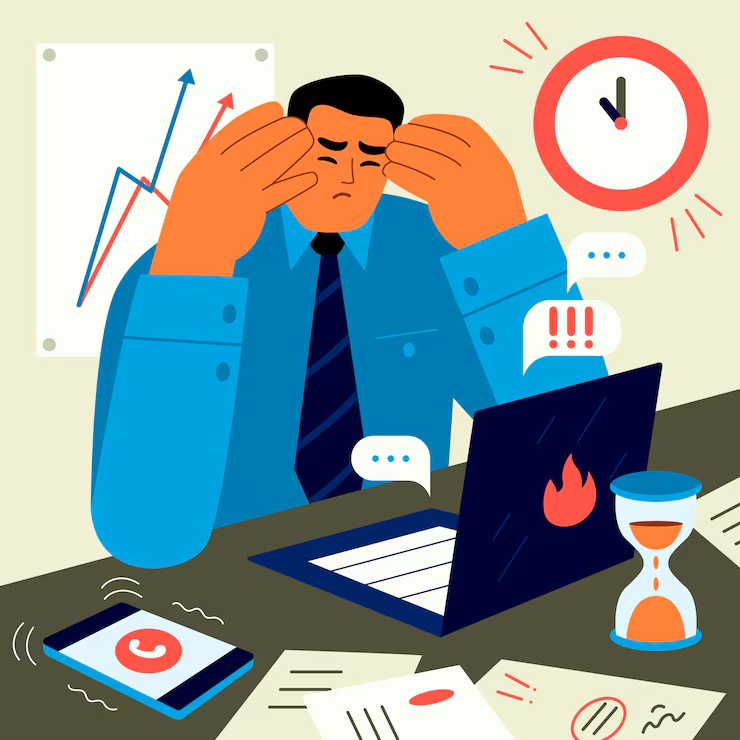
The core promise of any productivity system is that it clears your mind by moving your tasks out of your head and into a reliable external structure, sometimes called an external brain.
In practice, complex systems introduce a substantial layer of secondary labor known as meta-work, which is the work required to manage the system itself. You end up categorizing tasks by priority, tagging them by color, setting recurring due dates, and linking files across multiple platforms, then periodically stopping to clean up the backlog that built up while you were living your actual life.
Instead of reducing your mental load, this doubles it. Your brain now manages your real responsibilities alongside a second, parallel job of administering the tool meant to track them.
When a system grows complex enough, it becomes its own source of cognitive friction, leaving you depleted before your actual work has even started. The irony is hard to miss: the more sophisticated the system, the more of your attention it quietly demands just to stay upright.
How Gamification Turns Your Life Into a Performance Review
Modern productivity software leans heavily on gamification, using streak counters, progress bars, and satisfying completion sounds to reward you every time a box gets checked.
These features deliver a genuine, brief hit of dopamine, but they also change your psychological relationship to your own life. Once your days are reduced to checkboxes and completion percentages, the system creates a false sense of control over a world that was never fully controllable to begin with.
That shift changes what your brain pays attention to. Instead of asking whether a piece of work mattered, you start asking only whether it got marked done, and an unexpected emergency, a long conversation, or a tired morning that breaks your streak gets read by your subconscious as evidence of personal failure.
The tool that was supposed to bring you peace starts behaving like a demanding manager, quietly monitoring your output around the clock. It is worth noticing, too, how closely this pattern connects to why your self-worth ends up depending on your productivity, since a system built entirely on metrics eventually teaches you to measure yourself the same way.
Why Rigid Time-Blocking Removes the Slack Your Brain Needs
Human energy is not linear. Focus, creativity, and physical stamina rise and fall across a week based on sleep, hormonal shifts, emotional events, and even the season, a natural fluctuation researchers have long described through concepts like the body’s ultradian rhythm.
Rigid time-blocking treats every hour as an identical, interchangeable unit, encouraging you to map work, rest, exercise, and family time into neat, adjacent rectangles with no room between them.
That precision removes what engineers call system slack, the buffer that absorbs the ordinary unpredictability of being alive. When a calendar has no breathing room, one delayed train, one meeting that runs ten minutes long, or one groggy morning is enough to unravel the entire day, producing a specific kind of context-switching panic.
You spend the day racing your own schedule instead of living inside it, and that constant catch-up mode is a well-documented contributor to workplace burnout.
If this cycle sounds familiar, it may help to look more closely at coping with the busy culture that produces it in the first place, rather than only optimizing around its symptoms.
When Leisure and Relationships Become Just Another Task to Track
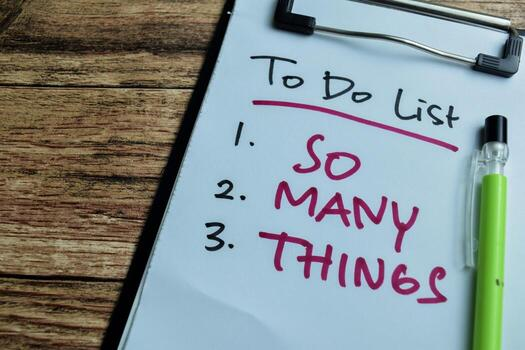
Perhaps the most damaging effect of hyper-optimization is how quietly it spreads into private life. Once your brain adapts to viewing time purely through the lens of efficiency, it becomes genuinely difficult to turn that lens off.
Reading to your kids for twenty minutes becomes a recurring task, calling your mother gets a priority tag, and meditation is tracked to protect a habit streak.
There is a real cost hidden in that convenience. The moment an activity requires a checkmark, part of your brain quietly reclassifies it as work, even if that activity is a walk or an unhurried evening with someone you love, and a portion of your attention stays behind to grade the experience instead of simply having it.
Rest that is being monitored is not fully rest. This is also why unplanned, unmeasured time feels so unfamiliar and even uncomfortable at first, and why it can be worth exploring the broader difference between living versus simply existing inside a schedule built entirely around output.
Building a Lower-Friction, More Sustainable Routine
Reclaiming your peace of mind does not require abandoning organization altogether and living in chaos. It means stripping away digital noise and shifting toward a genuinely low-friction approach, which can be as simple as deleting an overly complex app and returning to a short list of no more than three priorities for the day.
The goal is not less ambition, it is less administrative overhead standing between you and the ambition you already have.
It also helps to deliberately leave large, unscheduled buffers in your calendar and treat them as sacred rather than wasted space, open time you fill based on your actual energy in the moment rather than a plan made three weeks earlier.
The real product most productivity apps sell is not organization, it is a temporary feeling of control over an unpredictable week, and that feeling is fragile enough to shatter the moment reality deviates from the plan.
Reducing the complexity of what you track teaches your brain, slowly, that your worth is not determined by how flawlessly you administer your own life. For a few concrete starting points, it can help to look at what to do when everything feels like too much all at once.
Stepping Away From the Digital Ledger
The anxiety you feel staring at a complicated dashboard of tasks is a legitimate signal, not a personal shortcoming. It is a reminder that no one is built to operate like software, tracking its own execution across every hour of existence. You are allowed to be inefficient sometimes, allowed to change your mind, and allowed to have a day where nothing at all gets checked off a list.
When the systems meant to help you end up making you feel monitored and behind, what usually helps is not a better app but a space with no dashboard at all. That is part of what Callin offers: an unhurried, confidential conversation with a trained peer listener where you are not reporting progress or optimizing anything, just talking, without anyone grading how productively you used the time.
Frequently Asked Questions
Why do productivity apps make me more anxious instead of less?
Complex apps often introduce meta-work, the hidden labor of tagging, categorizing, and maintaining the system itself, which adds to your mental load rather than reducing it. Combined with gamified streaks and progress bars, ordinary disruptions to your day can start to feel like personal failures rather than normal life.
Is it normal to feel guilty on days I don’t complete my to-do list?
Yes, and it is extremely common once a system has trained your brain to equate an unchecked box with incompetence. That guilt reflects the system’s design rather than any objective truth about how valuable or productive your day actually was.
What is meta-work and why does it matter?
Meta-work is the labor required to manage a productivity system itself, such as categorizing tasks, setting recurring reminders, and periodically cleaning up backlogs. It matters because it can quietly double your cognitive load instead of the simplifying it, which is the opposite of what the system was meant to do.
Why does time-blocking sometimes backfire?
Time-blocking can remove system slack, the natural buffer that absorbs delays, interruptions, and low-energy moments. Without that buffer, small disruptions cascade into a stressful, all-day game of catch-up known as context-switching panic.
How do I know if my productivity system has become a source of stress?
A useful sign is whether the system produces more guilt on your rest days than satisfaction on your effort days. If checking your dashboard leaves you feeling behind more often than in control, the tool has likely become the problem it was meant to solve.
What’s a simpler alternative to a complex productivity app?
Many people find that a short daily list of no more than three priorities, kept on paper or in a single plain document, reduces overhead without sacrificing structure. The goal is a system light enough that maintaining it never competes with actually doing the work.
Can taking a break from tracking actually improve my productivity?
Often, yes, because unscheduled buffer time allows your brain to recover in a way that tightly monitored rest cannot. Genuine recovery requires time that is not being measured or graded, which is difficult to get from a system built entirely around metrics.
Leave a Reply