Author: Chloe Lin

  • Looking for a Safe Space to Vent Online? Why Holding It In Is Draining You

    Looking for a Safe Space to Vent Online? Why Holding It In Is Draining You

    Yes, safe spaces to vent online exist, and they are different from venting to friends or posting on social media. A true safe space pairs you with a trained peer listener for a confidential, judgment-free conversation, with no advice-giving, no audience, and no need to manage anyone’s reaction but your own. Here is why holding things in feels so exhausting, and what actually helps.

    (more…)
  • I Need Someone to Talk to Near Me That Is Not Therapy

    I Need Someone to Talk to Near Me That Is Not Therapy

    someone to talk to when i feel lonely

    Yes, you can find someone to talk to near you that is not therapy. Non-clinical emotional support connects you with a trained peer listener, often the same day, with no diagnosis, waitlist, or treatment plan required. It exists for people who are not in crisis but still need to be heard. Here is how it actually works.

    (more…)
  • Why High Achievers Procrastinate (And How to Stop)

    Why High Achievers Procrastinate (And How to Stop)

    procrastinate

    Here’s the thing nobody wants stitched onto a throw pillow: if you are googling why high achievers procrastinate, it is not because you are lazy or broken. It is because your brain is trying to protect you from a feeling, not from a task. I know this because last week I alphabetized my spice rack instead of finishing a project that was, generously, three days late.

    (more…)
  • Why Productivity Systems Sometimes Increase Anxiety

    Why Productivity Systems Sometimes Increase Anxiety

    productivity

    Productivity systems increase anxiety when they replace the ordinary pressure of daily life with a stricter, always-on performance review of your own behavior. Instead of lightening your mental load, complex apps and rigid schedules often double it, turning rest, relationships, and even leisure into metrics you can fail. Understanding this pattern is the first step toward a calmer, more sustainable routine.

    (more…)
  • How Do I Make Friends After Moving to a New City?

    How Do I Make Friends After Moving to a New City?

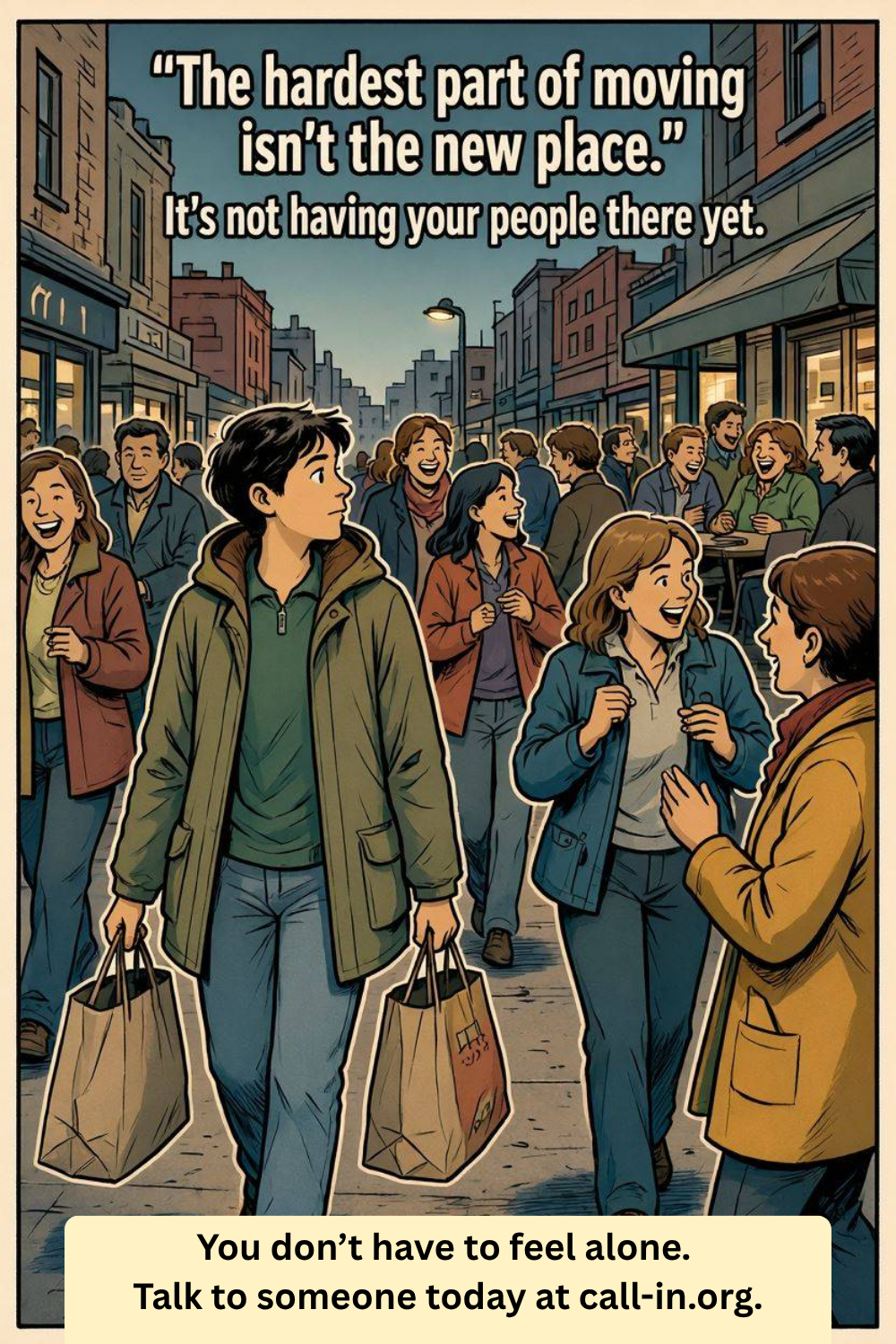
    how to reebuild support system after moving to a new place.

    Rebuilding a support system after moving works best when you stop searching for a single close friend and instead create repeated, low-pressure contact with the same people over time, such as through a class, a volunteer shift, or a regular café visit.

    Trust and closeness build gradually, not instantly, so consistency matters more than intensity. Leaning on existing long-distance relationships while this unfolds helps ease the transition.

    (more…)
  • Why Does My Self-Worth Depend on Productivity?

    Why Does My Self-Worth Depend on Productivity?

    self-worth

    Quick answer: Many people tie their self-worth to productivity because of a mix of childhood praise, school systems, workplace culture, and social comparison that reward achievement and overlook rest. Over time, this teaches the mind to treat output as proof of value. This pattern is common and learned, which also means it can be gradually unlearned.

    (more…)
  • Can 2 Stressed Friends Really Support Each Other?

    Can 2 Stressed Friends Really Support Each Other?

    stressed

    Quick Answer: Yes, two stressed friends can genuinely support each other. Shared understanding often reduces loneliness and builds resilience. But neither person should feel responsible for carrying the other’s entire emotional load alone. Support works best as something offered within limits, not something owed without end.

    (more…)
  • Emotional Support Online: What It Is and Where to Find It

    Emotional Support Online: What It Is and Where to Find It

    Emotional support online means having access to a real person who will listen, reflect, and help you process what you are feeling, without judgment or a clinical label attached. It exists for the everyday weight of stress, loneliness, or overwhelm that does not require therapy but still deserves attention. For many people, it is the missing middle ground they did not know existed.

    (more…)
  • It’s Okay To Ask for Help Without a Mental Health Diagnosis

    ask for help

    If you have asked, “Do I need a mental health diagnosis before asking for help?” the simple answer is NO. Millions of people benefit from everyday emotional support long before reaching a clinical threshold. You do not need a mental health diagnosis to deserve emotional support.

    The two are not the same thing. Waiting until a crisis before seeking support is not inevitable. Everyday emotional connection is preventative care.

    Licensed therapists, psychiatrists, and clinical psychologists play an essential and irreplaceable role for people experiencing mental health conditions. Everyday emotional support complements that care. It does not compete with it.

    (more…)
  • Benefits of Consistent Emotional Support

    Benefits of Consistent Emotional Support

    emotional support

    Consistent emotional support restructures baseline stress rather than merely offering temporary relief. Rare, crisis-driven conversations provide a fleeting neurochemical high but exhaust cognitive capacity through heavy context reconstruction.

    When support remains volatile, the nervous system stays defensive, making vulnerability feel like a massive burden. Conversely, scheduled, routine listening creates predictable psychological safety, lowering cortisol before you even speak. True emotional wellbeing thrives as a maintained system, not an emergency intervention.

    (more…)
  • Why Workplace Stress Needs More Than Wellness Programmes

    Why Workplace Stress Needs More Than Wellness Programmes

    workplace stress support
    workplace stress support

    Workplace stress support means combining organisational change with confidential emotional support, not relying on wellness apps alone. It includes healthy workplace practices, personal wellbeing habits, and regular opportunities to process work pressure with another person. The goal is to treat stress as routine professional maintenance, not only a crisis response.

    (more…)
  • I Need To Talk To Someone Who Will Not Judge Me

    I Need To Talk To Someone Who Will Not Judge Me

    Comic illustration showing someone sharing difficult thoughts with a compassionate listener in a confidential conversation.

    If you feel like a burden, the fastest relief usually comes from talking to a non-judgmental person who has no stake in your daily life, such as a trained peer listener, a warmline volunteer, or a confidential support service. These spaces exist specifically so you never have to worry about being “too much.”

    That worry, the fear of being too much, is one of the loneliest feelings a person can carry. It convinces you to stay quiet even when you need connection the most.

    (more…)
  • Your Non-Clinical Emotional Support Guide: How to Vent to Someone

    emotional support
    emotional support

    Key Takeaways

    Understanding how to vent effectively can transform emotional overwhelm into meaningful connection and relief. Here’s what matters most:

    Venting differs from complaining through intention: Venting seeks emotional release and understanding with accountability, while complaining focuses on blame without resolution, effective venting happens in 10-15 minutes with a trusted person.

    Choose your venting partner strategically: Select someone emotionally removed from your situation who can maintain objectivity, never vent to those you have power over, and always ask permission before sharing.

    (more…)
  • 7 Things to Do When Everything Feels Too Much

    7 Things to Do When Everything Feels Too Much

    everything feels too mcuh
    everything feels too mcuh

    When everything feels too much, the most important thing to know is this: what you’re feeling is real, it won’t last forever, and you don’t have to fix it tonight. Start small. Breathe. Put one hand on your chest. You don’t need to solve everything right now, you just need to get through the next few minutes. That is enough.

    (more…)
  • No Friends as an Adult: 5 Steps to Find Peer Support

    No Friends as an Adult: 5 Steps to Find Peer Support

    Having no friends as an adult is far more common than it looks from the outside. Life changes, careers, moves, relationships, grief, quietly erode the connections we once had. This doesn’t mean something is wrong with you. It means you’re human. These five practical steps will help you rebuild authentic peer support, at your own pace, in a way that feels real.

    (more…)
  • How to Heal Your Inner Child After Narcissistic Abuse

    Here’s what they won’t tell you in most recovery articles: leaving a narcissist isn’t the hard part. Staying done and gone is. And the part that really haunts you? It’s not what they did – it’s what you believed about yourself while it was happening.

    (more…)