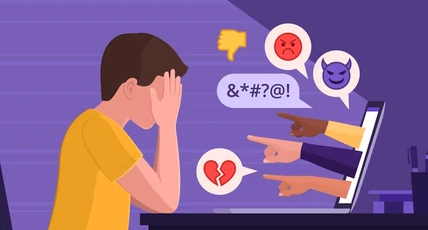
Quick Answer: Social media often makes people feel less connected because frequent digital interaction is not the same as meaningful connection. Scrolling, liking, and brief exchanges can keep you informed about other people’s lives without giving you the emotional presence, attention, and depth that real connection requires. You can be constantly online and still feel unseen.
I have spent years listening to people talk through loneliness, stress, and the strange ache of modern life. One thing comes up again and again. Someone will tell me they talked to fifteen people online today, and still feel completely alone. This is not confusion on their part. It is a real pattern, and it has a real explanation.
Key Takeaways
- Being digitally connected and feeling emotionally connected are two different experiences.
- Social comparison, passive scrolling, and curated content all play a role in disconnection.
- Meaningful connection depends on presence and attention, not frequency of contact.
- Small, intentional changes can restore a sense of connection without requiring you to quit social media.
- Ongoing loneliness despite an active online life is a signal worth paying attention to, not a personal failing.
Digital Connection Is Not the Same as Emotional Connection
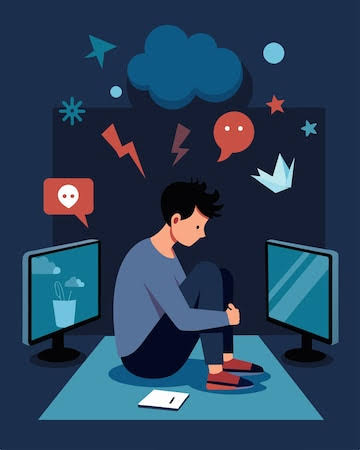
Social media was built to keep people in touch, and in many ways it does that well. You can see a friend’s new baby the day they are born, or keep a thread going with someone on the other side of the world. That is a real benefit.
But being in touch and feeling connected are not the same thing. Emotional connection comes from being known, understood, and attended to by another person in a way that feels mutual. Digital contact often gives you information about someone’s life without giving you real access to their inner experience, or them to yours.
The U.S. Surgeon General’s 2023 advisory on loneliness and isolation described social connection as the structure, function, and quality of our relationships, not simply the frequency of our contact with others. Frequency is easy to measure. Quality is harder, and it is quality that our nervous systems actually respond to.
This is why someone can text forty people a day and still feel the specific loneliness of not being truly known by any of them. You may recognize this in what I have written about feeling lonely even when you have friends or when connections feel shallow.
Four Reasons Social Media Can Leave You Feeling Disconnected
1. Social Comparison
Every feed is a curated collection of other people’s highlights. Researchers who study social comparison on social networking sites have found that seeing idealized versions of other people’s lives can lower how people feel about their own, even when they know the comparison is not fair. You are comparing your full life to someone else’s best five seconds.
2. Passive Scrolling Versus Genuine Interaction
Not all social media use affects people the same way. Researchers distinguish active use, such as messaging someone directly, from passive use, such as scrolling a feed without engaging.
A nine year longitudinal study published in 2026 found that passive browsing was associated with increases in loneliness over time. Watching other people’s lives go by, without real exchange, does not meet the same need as a real conversation.
3. Pressure to Present a Polished Version of Life
Many people quietly edit themselves before posting. This is not dishonesty. It is a natural response to a public audience. But it means most of what circulates on social media is a small performance rather than an honest moment. When most of what you see and post is curated, it becomes harder to feel truly seen, because you are not fully showing up either.
4. Constant but Brief Communication Replacing Deeper Conversation
A quick reaction emoji is easy. A real conversation about how someone is actually doing takes more time and courage. Social media rewards the fast, frequent exchange. Over time, this can quietly replace the slower, more vulnerable conversations that build real closeness. You end up with a wide circle of contact and a narrow circle of depth.
What Meaningful Connection Actually Looks Like
Meaningful connection has a few consistent qualities, no matter who you are talking to.
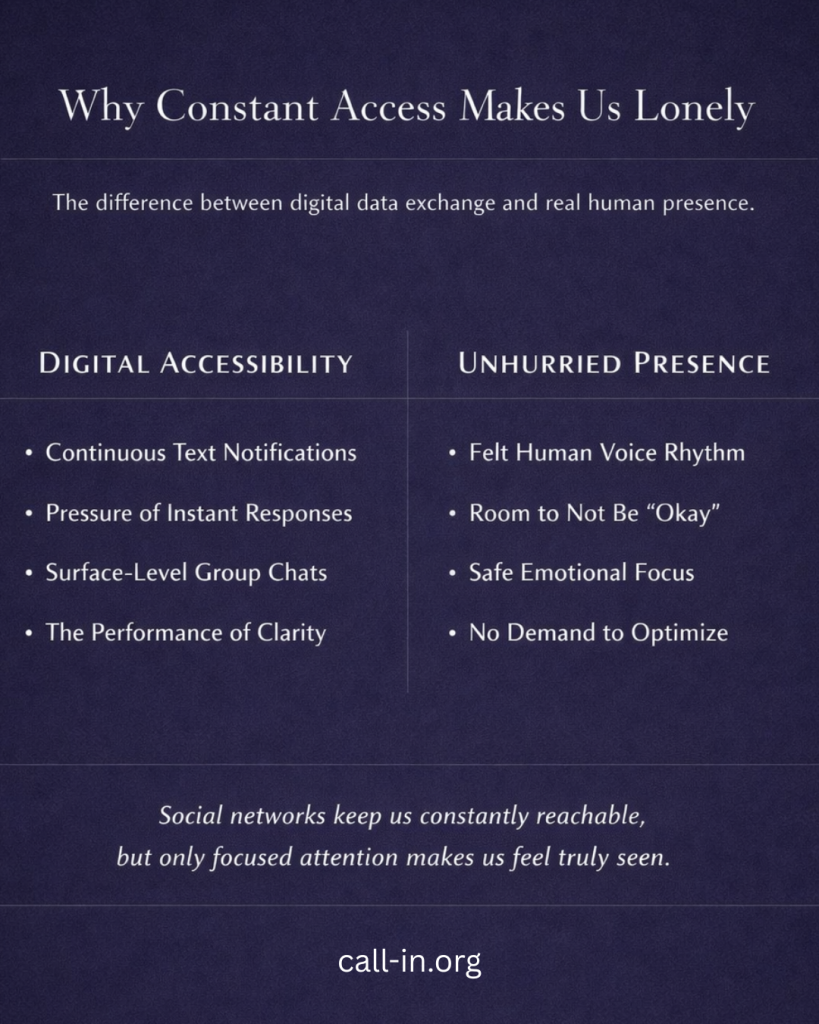
- Being fully listened to. Not just heard, but attended to without a phone in the other person’s hand or a reply already forming before you finish speaking.
- Emotional safety. A sense that what you share will not be judged, minimized, or used against you later.
- Presence. The other person is actually there with you, not partially there while thinking about something else.
- Curiosity. Genuine interest in your experience, not a polite wait for their turn to speak.
- No rush. Space for a conversation to unfold instead of being compressed into a few lines of text.
These qualities are difficult to recreate through likes, comments, or short messages, not because digital communication is lesser, but because these qualities require sustained attention that a feed is not designed to hold. A notification can tell you someone thought of you for a second. It cannot replicate an hour of someone’s full attention.
Small Ways to Reconnect Without Giving Up Social Media
You do not need to delete your accounts to feel more connected. A few small, realistic shifts tend to help most people.
- Choose one direct conversation over ten passive scrolls. A single message asking how someone is really doing does more than an hour of scrolling.
- Schedule an actual call. Voice and video carry tone and presence that text cannot. Even fifteen minutes on the phone with someone you trust can shift how connected you feel.
- Meet in person when it is possible. Shared physical space still does something that no platform has replicated.
- Take intentional breaks from endless scrolling. This is not about punishing yourself. It is about making room for the kind of connection that scrolling tends to crowd out.
- Seek conversations that go beyond small talk. Ask a real question. Answer one honestly. Depth usually starts with someone being willing to go first.
None of this requires abandoning social media. It simply means being intentional about where your time and attention go.
When Feeling Disconnected May Be a Sign You Need More Support
Sometimes loneliness lifts once someone makes small changes like these. Other times, it does not. If you are staying socially active, both online and in person, and the loneliness or emotional overwhelm continues, that persistence is worth paying attention to.
This does not mean something is wrong with you. It often means you need a different kind of space, one where you can talk openly without performing or editing yourself first.
Peer emotional support exists for exactly this. It offers the kind of full attention and unhurried listening that a feed was never built to provide. If this resonates, you might find who can I talk to when I feel lonely or AI emotional support is not enough useful starting points.
A Reassuring Thought
Feeling disconnected in a digitally connected world is far more common than most people realize. It is not a personal failure, and it does not mean you are doing life wrong.
It means human connection was built for presence and attention long before it was built for feeds and notifications. The number of people you talk to matters far less than the depth of a few real conversations. Prioritize those, and the rest tends to matter a little less.
Frequently Asked Questions
Why do I feel lonely after scrolling social media? Scrolling is passive. You take in other people’s lives without real exchange directed at you. Research links passive social media use to increased loneliness over time, likely because it substitutes the appearance of connection for the real thing.
Can social media actually make people feel isolated? Yes, for some people. A nine year longitudinal study found associations between both passive and active social media use and increased loneliness. This does not mean social media harms everyone, but the pattern is well documented.
Is social media bad for mental health? Social media is not inherently good or bad. Its effect depends on how it is used. Intentional, direct interaction can support relationships. Passive, comparison heavy use is more consistently linked to lower wellbeing and greater loneliness.
How can I feel more connected to people? Prioritize direct, unhurried conversations over passive scrolling. Schedule calls, meet in person when you can, and ask questions that go beyond small talk. Connection grows from a few honest exchanges, not from many surface level ones.
What should I do if I still feel lonely after talking to friends online? This is worth listening to, not ignoring. It may help to seek a space built for full attention and open conversation, such as peer emotional support. Ongoing loneliness despite social contact often points to a need for deeper, more present connection.
Related reading on Callin:
- Feeling Lonely Even When You Have Friends
- When Connections Feel Shallow
- Why You Crave Connection but Withdraw from People
- Who Can I Talk to When I Feel Lonely
- AI Emotional Support Is Not Enough
- When Talking to Friends Doesn’t Feel Enough
- How Do I Know If I Need Emotional Support, Not Therapy
- Callin Offers Active Listening: Feel Heard Today
- 5 Ways to Find Peer Support
Sources referenced:
- U.S. Surgeon General’s Advisory, “Our Epidemic of Loneliness and Isolation” (2023)
- Roberts, Young, and David, “The Epidemic of Loneliness: A 9 Year Longitudinal Study of the Impact of Passive and Active Social Media Use on Loneliness,” Personality and Social Psychology Bulletin
- Verduyn, Gugushvili, Massar, and Kross, “Social Comparison on Social Networking Sites,” Current Opinion in Psychology

Leave a Reply