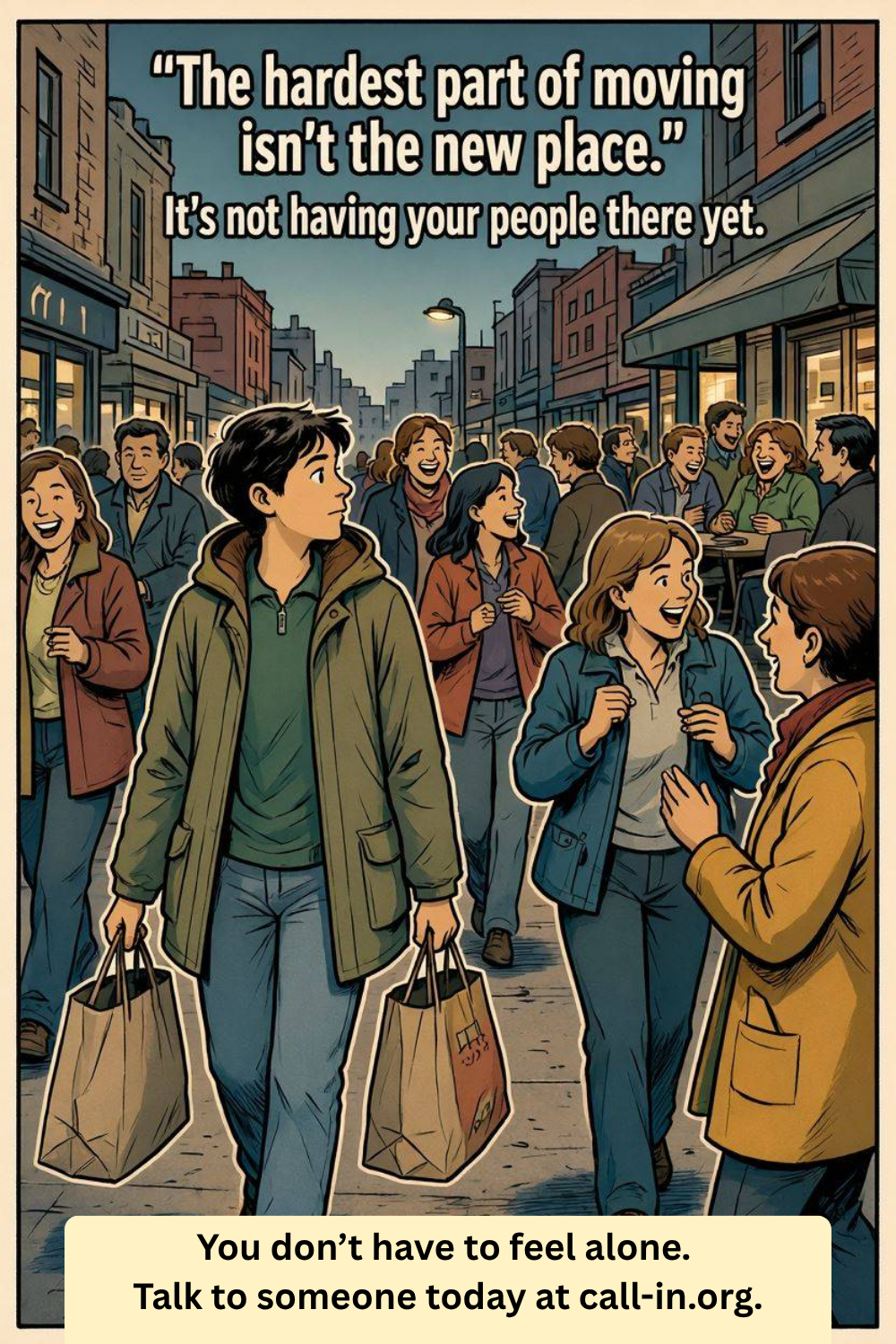
Rebuilding a support system after moving works best when you stop searching for a single close friend and instead create repeated, low-pressure contact with the same people over time, such as through a class, a volunteer shift, or a regular café visit.
Trust and closeness build gradually, not instantly, so consistency matters more than intensity. Leaning on existing long-distance relationships while this unfolds helps ease the transition.
Key Takeaways
- Loneliness after a move is a normal nervous system response to losing familiar relational anchors, not a sign that relocating was the wrong choice.
- Adult friendship grows through repeated, low-stakes contact in the same setting, not through direct searching.
- A resilient support system is layered, combining long-distance relationships, local practical contacts, and new elective connections.
- Asking for small favors or recommendations is an effective, low-pressure way to invite connection.
- Genuine closeness takes measurable time to develop, so patience is a practical strategy, not just an emotional coping mechanism.
Why the Silence After a Move Feels So Heavy
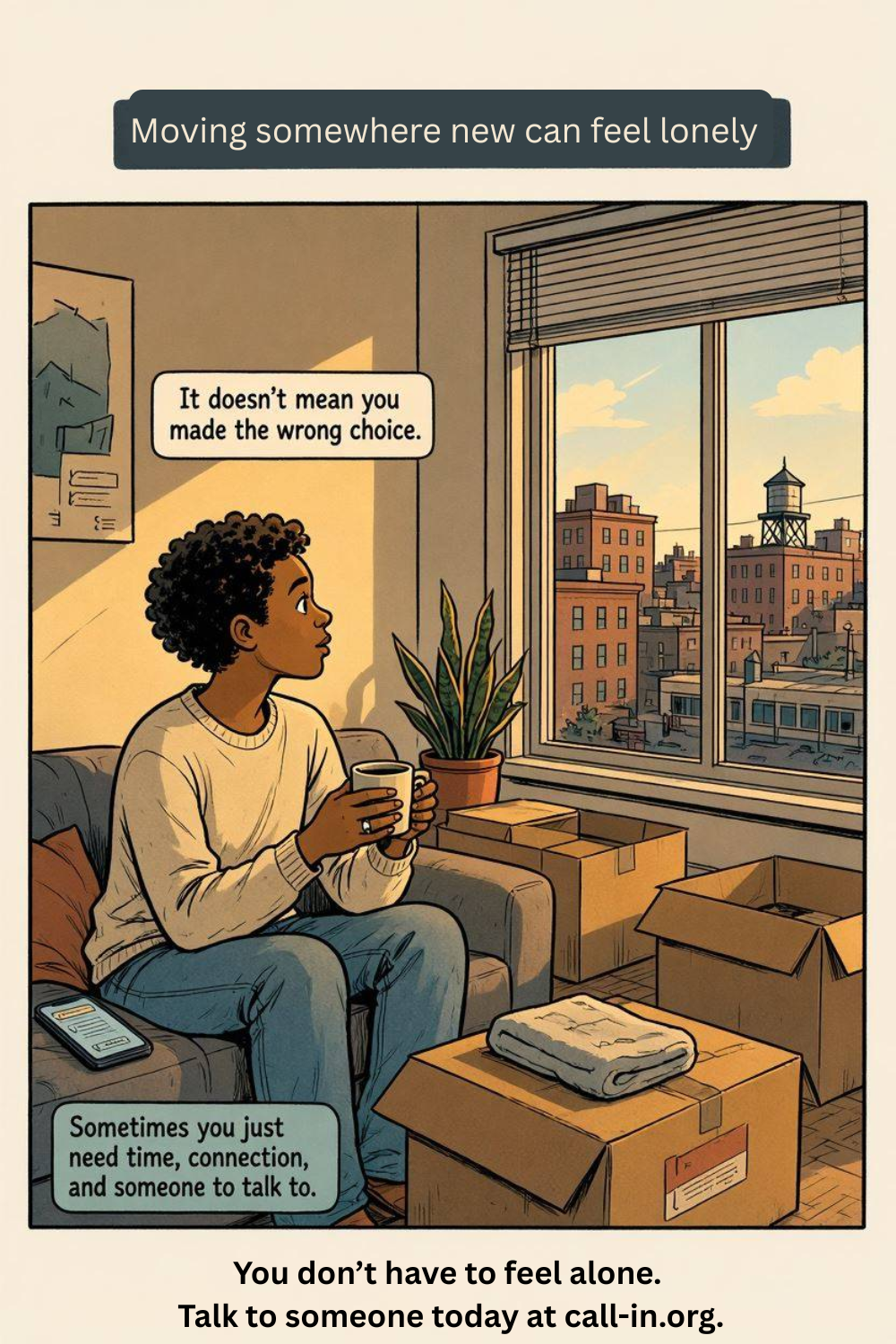
In your previous life, support probably felt effortless. A coworker understood your work stress without explanation, a neighbor could watch your dog on short notice, and a close friend knew your habits well enough to read your mood from across a room. Those small conveniences were not accidental. They were the result of years of unplanned, cumulative contact.
When you relocate, all of that infrastructure disappears at once, even if the new city itself is wonderful. Ordinary tasks, like finding a dentist or figuring out which grocery store has what you need, suddenly require active mental effort.
Your nervous system responds to this unfamiliarity with a mild, background state of alertness, since it no longer has a network of trusted people to fall back on. That heaviness you feel is not evidence that you made a mistake. It is your brain accurately registering that its usual safety net is temporarily gone.
Stop Searching for a Best Friend, Start Building Context
One of the most common missteps after a move is treating friendship like a search, as though the right person is out there waiting to be found. This approach often backfires, because it puts intense pressure on early interactions that are not ready to carry that weight.
A more effective approach involves repetition rather than intensity. Relationship researchers have long pointed to a simple formula behind most close friendships: shared physical space, repeated unplanned contact, and an environment relaxed enough for people to be themselves.
A weekly class, a regular volunteer shift, or the same coffee shop every Thursday morning does more relational work than a single well-planned outing, because it turns you from a stranger into a familiar face.
Once that familiarity exists, real conversation tends to follow with far less effort. This is part of why people who move often find more traction through structured, repeated activities than through one-off attempts to meet someone new.
Build a Layered Support System, Not a Single Safety Net
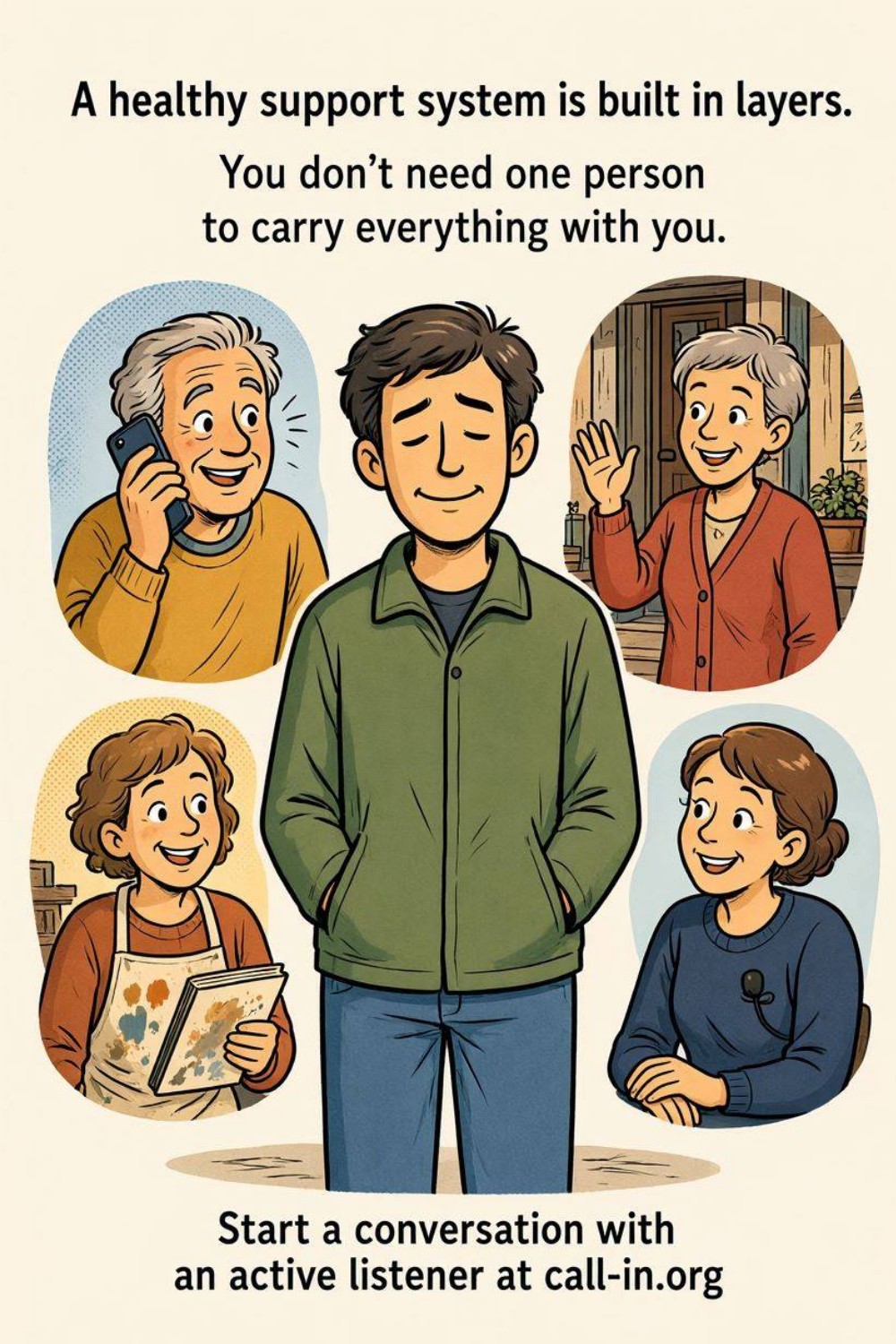
A second common mistake is expecting one or two new people to meet every emotional and practical need at once. A more sustainable support system usually has several distinct layers, each doing different work.
Your long-distance relationships form a kind of historical foundation. These are the people who already know your full story, and staying in touch with them through calls or messages can steady your sense of identity while everything else feels unfamiliar.
A second, more local layer includes neighbors, coworkers, and shopkeepers who may not know your inner world but who provide the everyday human contact that makes a new place feel livable.
A third layer, built more slowly, consists of the people who share your specific interests or values, the kind of connection that tends to grow out of consistent contexts over time.
Spreading these needs across several layers removes the pressure of expecting any single person to be everything, which is often what makes early relocation friendships collapse under their own weight.
Letting Yourself Be Seen as New
Most adults carry around a quiet performance of competence, a sense that things are under control even when they are not. After a move, that performance can quietly work against you, since looking need in the direction of a new place is often what invites connection in the first place.
Asking a coworker where they eat on weekends, or asking a neighbor which mechanic they trust, is rarely seen as an imposition. Most people enjoy being asked for their opinion on their own turf, and a small request like this signals genuine openness rather than weakness.
It is a low-risk way of extending a hand without the pressure of a formal invitation, and it often does more relational work than a much bigger gesture would.
The Uncomfortable Middle Stretch
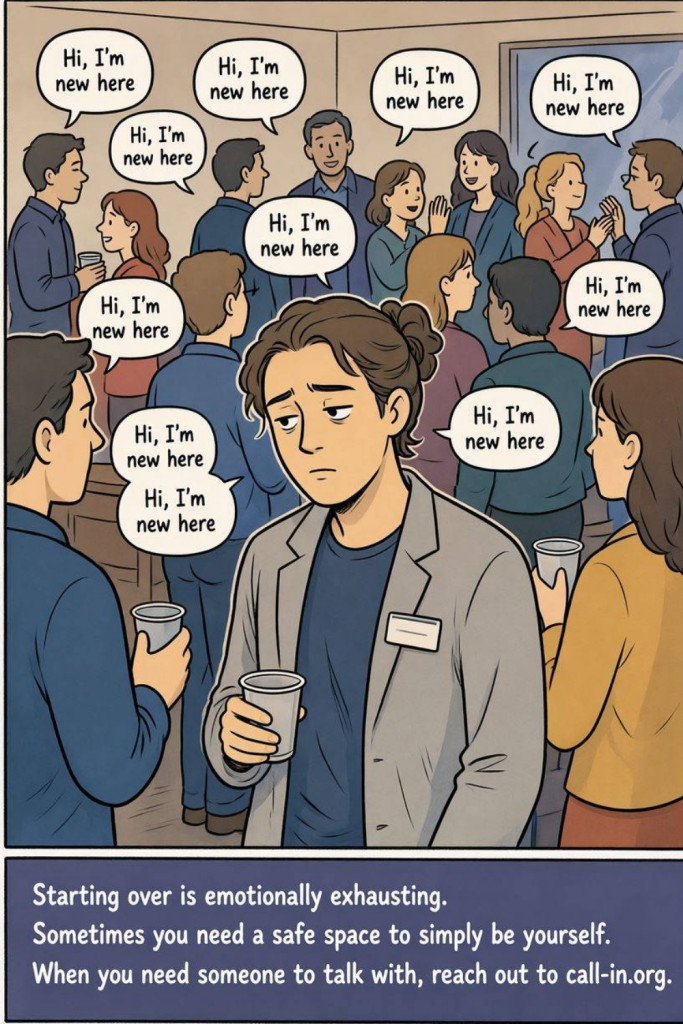
Rebuilding a life rarely moves in a straight line. Some weeks bring a genuinely warm conversation with someone new, followed by a weekend that feels unexpectedly quiet and isolating.
This uneven stretch, sometimes called the transition gap, sits between the community you left behind and the one that has not fully formed yet.
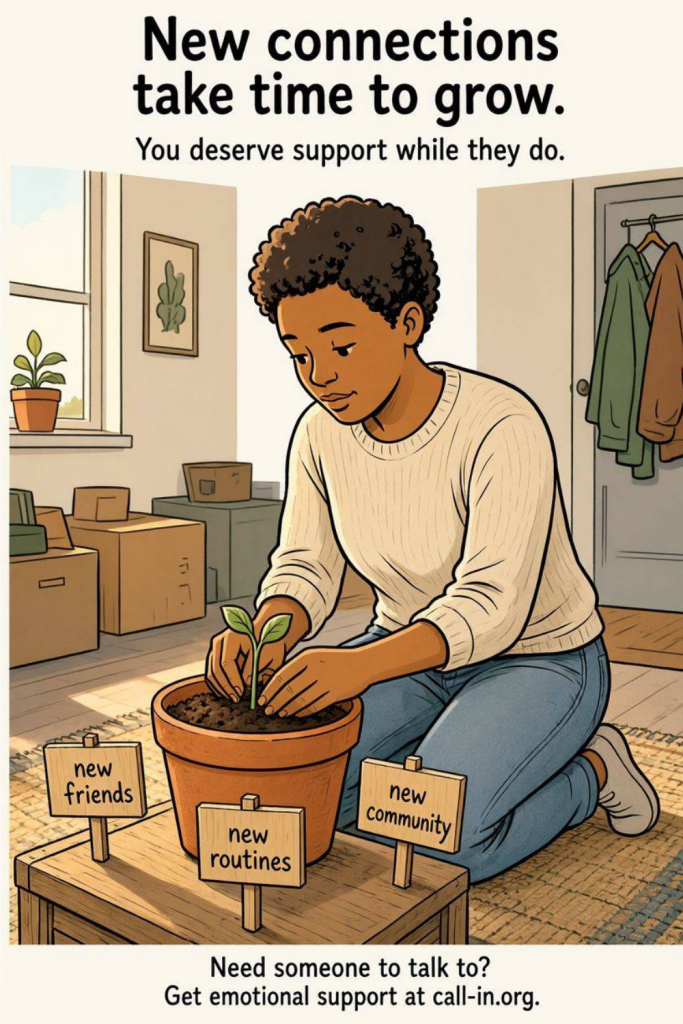
Self-compassion matters here as much as any specific action. Research on relationship formation suggests it takes roughly fifty hours of shared time for someone to move from acquaintance to casual friend, and considerably longer for deeper trust to form.
Every short exchange at a dog park, every wave to a neighbor, and every small shared laugh counts toward that total, even when it does not feel significant in the moment.
Understanding that timeline can make the quiet weeks feel less like failure and more like ordinary progress, especially for anyone who has noticed how connection can feel distant even when people are technically present in your life.
Practical Ways to Build Momentum
If the week ahead feels wide open and directionless, the most useful step is usually one small, outward action rather than a big plan.
Identifying a place where people with similar interests already gather, such as a bookstore event, a running group, or a volunteer shift, tends to work better than waiting for connection to happen on its own.
Volunteering in particular filters naturally for people who already share your values, which can shortcut a lot of the usual social guesswork.
Local online forums and interest-based groups can help remove some of the trial and error involved in finding these spaces, especially in an unfamiliar city.
Giving Yourself Permission to Rest From the Effort
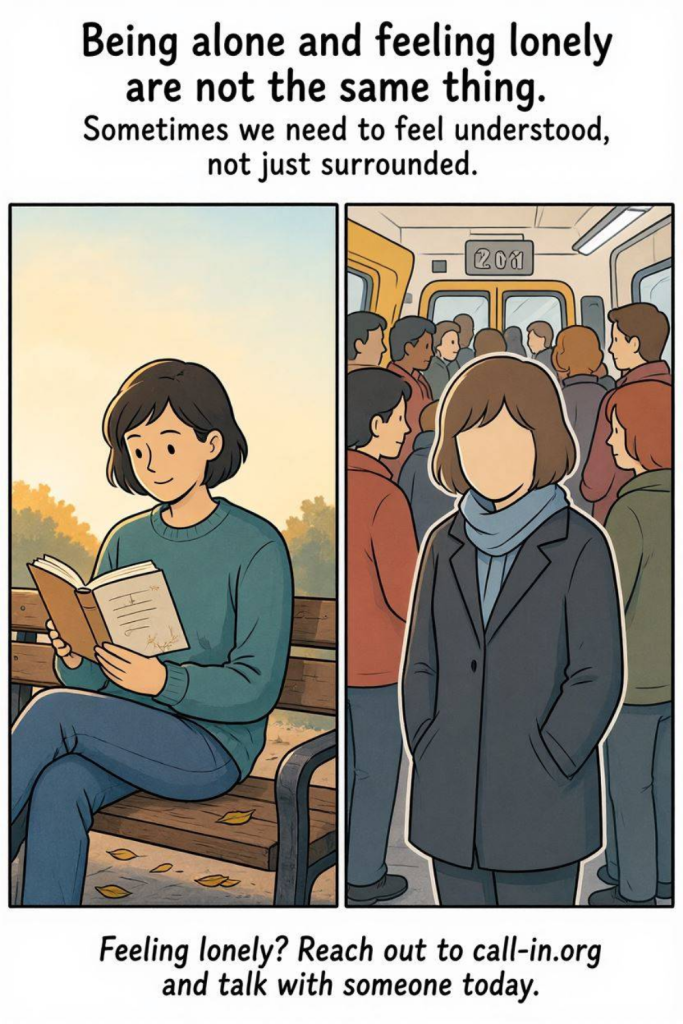
Rebuilding a social world after a move takes real energy. It asks you to introduce yourself repeatedly, mask fatigue, and adapt to social rhythms that are not yet familiar.
Feeling drained by that effort is not a sign that something is wrong with you. It is a reasonable response to genuinely hard, ongoing work.
Some people find it helpful to have a space where none of that performance is required, somewhere they do not need to introduce themselves or prove anything before being heard.
This is one of the reasons peer support exists in a space alongside, rather than instead of, therapy and friendship. Callin offers confidential conversations with trained peer listeners for people navigating exactly this kind of transition, whether that means processing the disorientation of a move or simply wanting somewhere to think out loud without adding to a friend’s own overloaded plate.
It is not a replacement for the deep, local relationships you are building, but it can offer steady footing while those relationships take the time they need to grow.

Leave a Reply