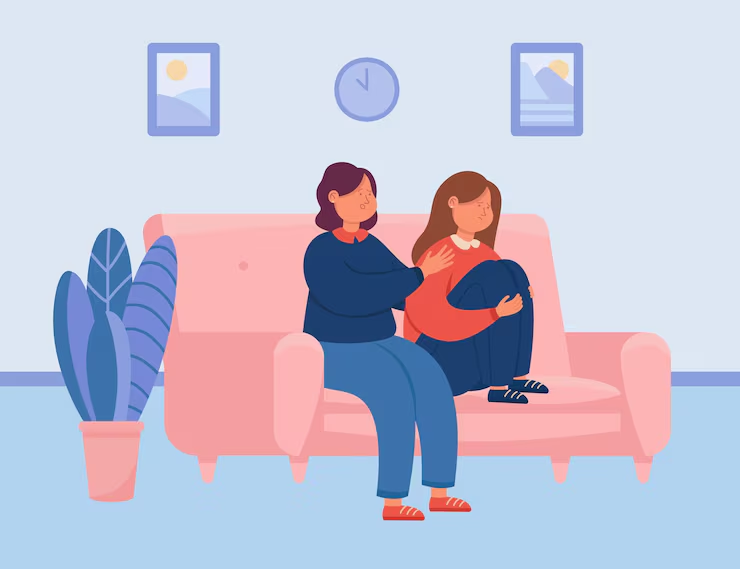
Emotional support online means having access to a real person who will listen, reflect, and help you process what you are feeling, without judgment or a clinical label attached. It exists for the everyday weight of stress, loneliness, or overwhelm that does not require therapy but still deserves attention. For many people, it is the missing middle ground they did not know existed.
Key Takeaways
- Emotional support online connects you with a real listener for everyday stress, loneliness, or overwhelm, no diagnosis required.
- It differs from therapy: therapy treats diagnosable conditions, while emotional support offers space to process and feel heard.
- People navigating burnout, life transitions, or isolation often benefit the most from this kind of connection.
- Choosing a service comes down to confidentiality, training, consistency, and how safe the space actually feels.
- Online emotional support is not a replacement for therapy or crisis care. It works alongside both.
What Is Emotional Support?
Emotional support is the experience of being heard, understood, and accompanied through a feeling, without someone rushing to fix it. It is different from advice. It is different from problem-solving.
At its core, it is active listening, a practice where the listener’s job is to reflect what you are experiencing rather than redirect the conversation toward their own opinions or solutions.
This distinction matters more than it might seem. When a friend gives advice too quickly, it can shut down the emotional processing that was actually needed.
Research encouraged by organizations like the American Psychological Association has long pointed to social connection as a buffer against stress, but the quality of that connection depends heavily on whether the other person is truly listening or simply waiting for their turn to speak.
There is also a quieter shift happening in how people think about needing support at all. For years, mental health conversations lived in two categories: therapy or nothing. That framing left out an enormous amount of ordinary human experience.
Grief that is not clinical depression, stress that is not an anxiety disorder, and loneliness that is not a diagnosis all still deserve somewhere to go. Emotional support online exists precisely in that overlooked space.
Emotional Support vs Therapy: Understanding the Difference
Therapy is a clinical treatment. A licensed therapist is trained to assess, diagnose, and treat mental health conditions using evidence-based methods, often over weeks or months, with a treatment plan attached. Emotional support is not clinical. It is connection and reflective listening, offered in the moment, without the goal of diagnosing anything.
This is one of the most searched questions in mental wellbeing right now, and for good reason. Many people find themselves stuck wondering whether what they are feeling is “enough” to justify therapy, and that hesitation can quietly prevent them from getting support at all.
If you have ever asked yourself how to know if you need emotional support instead of therapy, you are not alone. A useful way to think about it: therapy treats, emotional support accompanies.
There is a subtle cultural habit worth naming here. Somewhere along the way, needing to talk to someone started to feel like it required a credential, as if pain needed a diagnosis attached before it counted as valid.
That is not how emotional needs actually work. You do not need a clinical reason to want someone to talk to who is not a therapist. Wanting to be heard is reason enough.
Harvard Health and the National Institutes of Health have both published research linking consistent social support to lower stress reactivity and better emotional regulation over time. None of that research requires the support to come from a clinician. It requires the support to be consistent, attentive, and genuinely present.
Who Can Benefit From Online Emotional Support?
Almost anyone moving through an ordinary but difficult stretch of life can benefit from having somewhere to process it out loud. A few situations tend to come up most often.
Loneliness. Loneliness does not always look like being physically alone. Plenty of people feel it in a crowded office or a full group chat, because the connection they have access to does not go deep enough.
This is especially common for people living alone or working remotely, where the natural, unplanned social contact of office life simply disappears. Remote work loneliness has become common enough that it is now studied as its own category of workplace wellbeing.
Stressful life changes. Moving cities, changing careers, ending a relationship, or becoming a caregiver all reshuffle someone’s daily emotional load, often faster than their support system can adjust to.
Emotional support online gives people a place to process the transition itself, separate from having to explain the entire backstory to someone new in their life.
Emotional overwhelm. Sometimes there is no single event to point to. It is the accumulation of small stressors, deadlines, notifications, and obligations that eventually add up to feeling like everything is too much at once. In these moments, people often need less advice and more space to simply say the thought out loud.
Needing someone to talk to. Many people hold back from confiding in friends or family because they do not want to become a burden, especially if they already feel like the one who holds everyone else together.
That reluctance is common enough that it shapes an entire category of people looking for someone to talk to without burdening the people closest to them. Having a listener with no personal stake in the outcome can actually make it easier to be honest, precisely because there is nothing to protect and no relationship history to navigate around.
How To Choose An Online Emotional Support Service
Not all online emotional support looks the same, and the differences matter more than they first appear. A few factors are worth weighing carefully.
Confidentiality. A trustworthy service should be clear about how conversations are handled and who, if anyone, has access to them. Confidentiality is what allows people to speak honestly instead of managing how they come across.
Training of the listener. Peer support and crisis intervention are not the same thing, and a good service will be upfront about which one it offers. It helps to understand the difference between a warmline and a crisis line before choosing, since warmlines and peer platforms are built for everyday emotional support, while crisis lines exist for acute, immediate risk.
Consistency and accessibility. Support that is only available occasionally tends to feel less useful than support that is available when it is actually needed. Research on the benefits of consistent emotional support suggests that regularity, not intensity, is often what makes the biggest difference to someone’s overall stress levels.
Cost and format. Some emotional support options are free, some are subscription-based, and formats range from text-based chat to live phone or video conversations. The right choice depends on whether someone wants immediacy, anonymity, or the warmth of a real voice on the other end.
There is also a quieter factor that rarely gets discussed: whether the platform is actually built around listening or simply built around volume.

Convenience has made emotional support more accessible than ever, but accessibility alone does not guarantee quality. The best services are the ones designed around trained, attentive human listeners rather than fast, transactional check-ins.
This is the space Callin was built for. It offers a confidential, non-clinical place to talk with a trained peer listener, for the moments when someone needs to be heard without worrying about burdening the people in their own life. It is not a replacement for therapy, but for many people, it fills a gap therapy was never meant to fill.
Frequently Asked Questions
What is the difference between emotional support and therapy?
Therapy is clinical treatment provided by a licensed professional to diagnose and treat mental health conditions. Emotional support is non-clinical listening and connection, focused on helping someone process feelings in the moment rather than treating a diagnosis.
Is online emotional support confidential?
Reputable platforms are built around confidentiality, meaning conversations are kept private and are not shared without consent. It is worth reviewing a service’s privacy practices before using it, since standards can vary between platforms.
Can online emotional support help with loneliness?
Yes. Consistent, attentive conversation is one of the most well-supported ways to reduce the felt experience of loneliness, even when it does not change someone’s physical circumstances. Regular check-ins with a listener can help rebuild a sense of connection over time.
Do I need a diagnosis to use emotional support services?
No. Emotional support services are built for everyday stress, loneliness, and overwhelm, not clinical conditions. You do not need a diagnosis or a crisis to justify wanting to talk to someone.
Is online emotional support free?
It depends on the platform. Some options, like community warmlines, are free, while others operate on a subscription or per-session basis. Cost, availability, and listener training all vary, so it is worth comparing a few options before committing to one.
How is emotional support different from talking to a friend?
Friends care, but they also carry their own opinions, history, and emotional investment in your life, which can make total honesty harder. A trained, neutral listener has no personal stake in the outcome, which often makes it easier to speak freely and be heard without managing the other person’s reaction.
When should I seek therapy instead of emotional support?
If you are experiencing persistent symptoms that interfere with daily functioning, such as ongoing depression, anxiety, trauma responses, or thoughts of self-harm, a licensed therapist or mental health professional is the appropriate next step. Emotional support is a helpful complement to therapy, but it is not a substitute for clinical care when clinical care is needed.

Leave a Reply