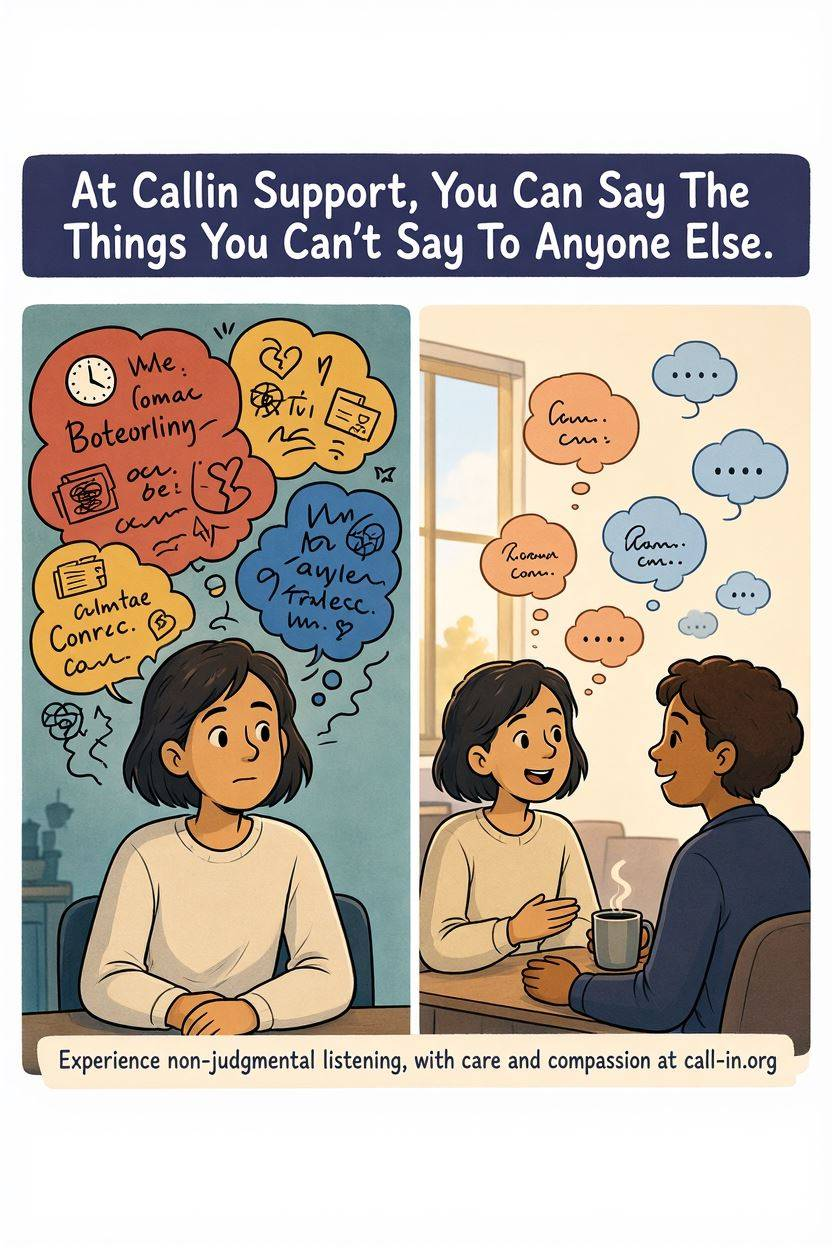
A warm line is a free, confidential, non-crisis peer support phone service for people who need someone to talk to. Here’s how warm lines work, who they help, and how they differ from a crisis line.
Yes, and a growing number of people already do. Paid listening services connect you with a trained, dedicated listener on demand, without the inconsistency of free volunteer chat or the weight of unloading on a friend. The appeal is not the novelty of paying a stranger. It is the reliability of finally being heard.
If you need help processing everyday stress, loneliness, or overthinking, non-clinical emotional support is usually enough. If you are dealing with a diagnosable condition, trauma, or patterns that are affecting your daily functioning, therapy is the better fit. This guide breaks down exactly how to tell the difference.
If you feel like a burden, the fastest relief usually comes from talking to a non-judgmental person who has no stake in your daily life, such as a trained peer listener, a warmline volunteer, or a confidential support service. These spaces exist specifically so you never have to worry about being “too much.”
That worry, the fear of being too much, is one of the loneliest feelings a person can carry. It convinces you to stay quiet even when you need connection the most.
If you need to vent to someone right now, you have more options than it probably feels like in this moment. Free choices include warmlines, trained peer listener platforms, and the people already in your life.
Paid choices include non-clinical support platforms and licensed therapy. Each one solves a different problem, and knowing the difference can save you a disappointing conversation tonight.
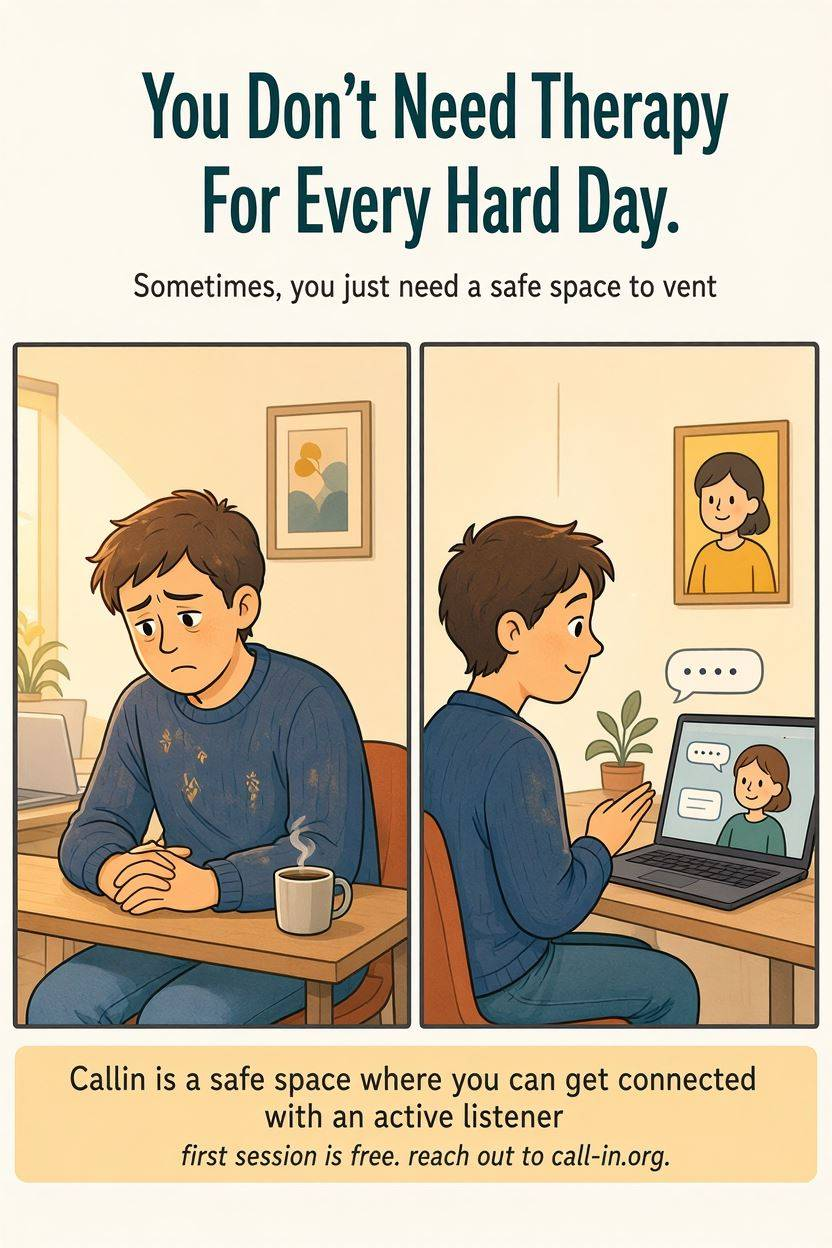
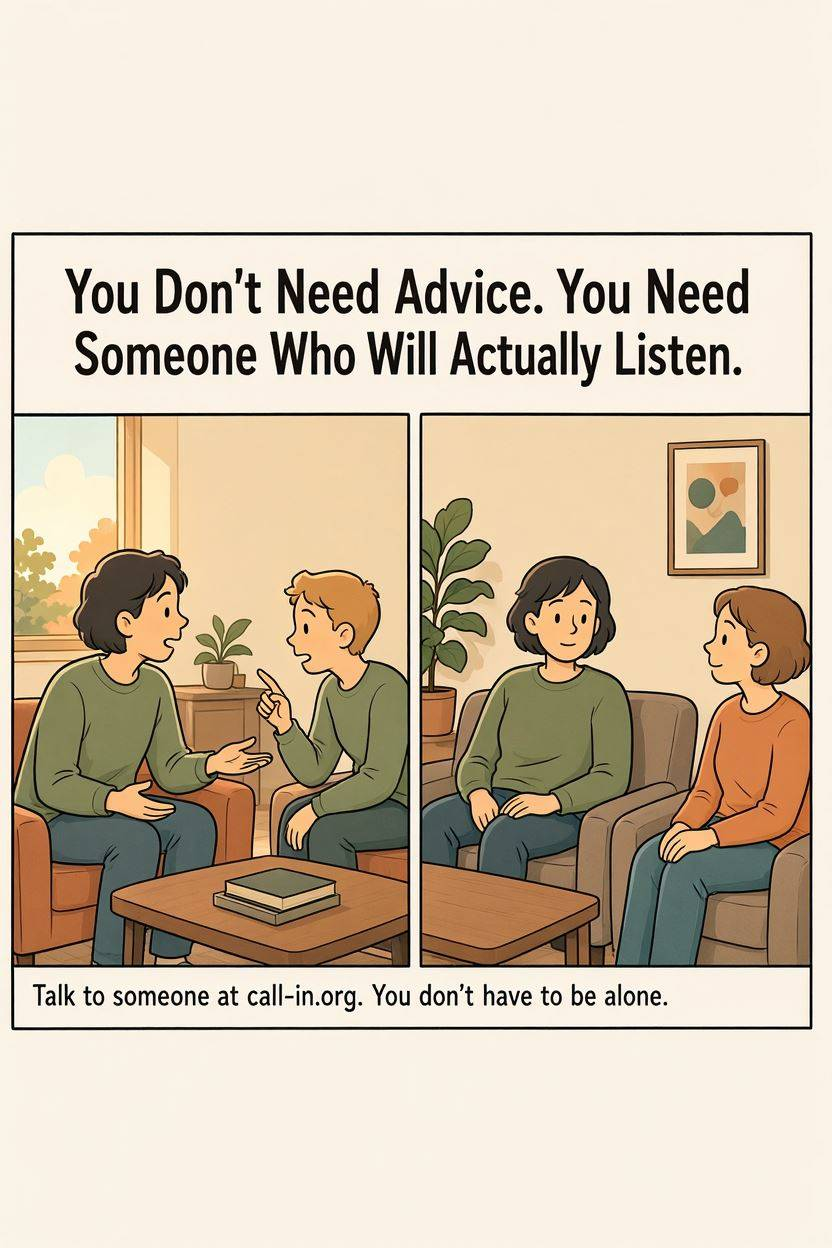
Sometimes you don’t need advice. Sometimes you don’t need a diagnosis. Sometimes you don’t even need a solution.
You just need someone to talk to.
Modern life is busy, demanding, and often surprisingly isolating, even when you’re surrounded by people all day. You can have a full calendar and still feel like nobody actually knows what’s going on in your head.Wanting a conversation, a real one, doesn’t mean something is wrong with you. It means you’re human.
It’s 7am and your phone already has eleven notifications. Three emails are waiting before you’ve had coffee.
A news alert flashes across the lock screen. Somewhere in the back of your mind is a birthday you need to remember, a bill that’s due, a text you still haven’t answered. None of this is technically a crisis.
And yet by mid-morning, you already feel like you’re behind.
If you’ve ever asked yourself why life feels emotionally overwhelming even when nothing is technically wrong, you’re not imagining it, and you’re far from alone.
Modern life places a kind of demand on our attention, emotions, and energy that simply did not exist a generation ago. Understanding why can be the first step toward feeling more in control again.
Really, what do you when you’re feeling overwhelmed, but you know therapy is not the answer? We’ve all been there at one point or the other in our lives.
Those moments you tell people you’re fine. But deep down, you’re not. You go through the motions – go to work, answer the emails, make dinner, show up for the people who need you.
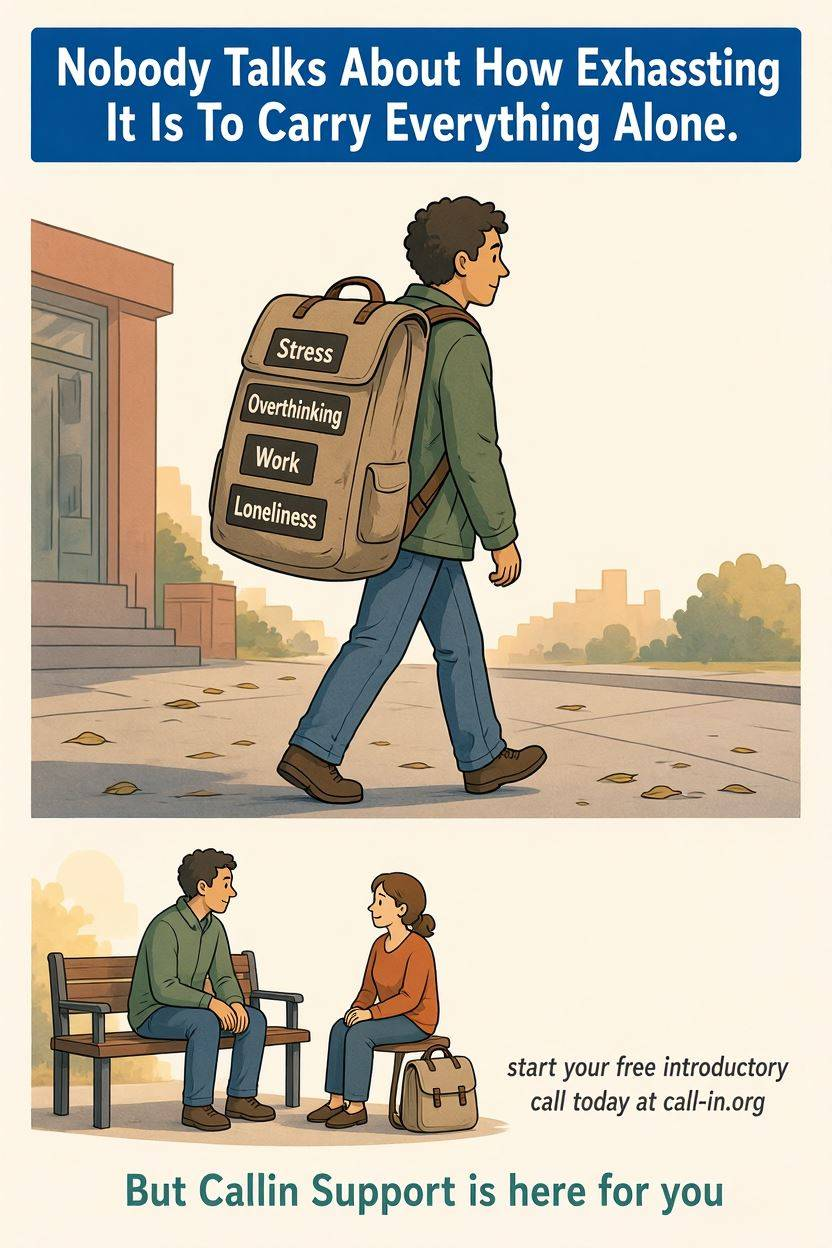
From the outside, everything looks normal. But underneath it, you’re running on fumes. You’re not in crisis. You’re not depressed, at least not in any way you’d put a name to. You just feel heavier than you used to, like you’re carrying something you can’t quite put down.
Stress management has become a big deal because stress has become an unavoidable part of modern life that affects millions of people worldwide. Whether it’s work deadlines, professional burnout, financial pressures, or personal relationships, chronic stress can take a serious toll on your physical and mental health. The good news? Effective stress management is a skill you can learn and master.
This comprehensive guide will walk you through evidence-based strategies to manage stress, regain control of your life, and build lasting resilience.
Professional burnout has reached epidemic proportions in 2026, affecting more than half of the American workforce. If you’re reading this while feeling emotionally drained, cynical about your work, and questioning whether you can continue at this pace, you’re not alone, and more importantly, recovery is possible.
This comprehensive guide will walk you through understanding professional burnout, recognizing its warning signs, and implementing a proven recovery framework that works even when you can’t take extended time off.
There’s something profoundly healing about being truly heard. Not just having someone wait for their turn to speak, but experiencing the rare gift of another human being fully present with your story, holding space for your emotions without rushing to fix, judge, or minimize what you’re feeling.
This is the essence of active listening, and it’s the foundation of how we support every person who reaches out to Callin.
Whether you’re seeking support or hoping to become a better listener for the people in your life, understanding active listening can transform how you connect with others and how you experience being heard yourself.
Understanding how to vent effectively can transform emotional overwhelm into meaningful connection and relief. Here’s what matters most:
• Venting differs from complaining through intention: Venting seeks emotional release and understanding with accountability, while complaining focuses on blame without resolution, effective venting happens in 10-15 minutes with a trusted person.
• Choose your venting partner strategically: Select someone emotionally removed from your situation who can maintain objectivity, never vent to those you have power over, and always ask permission before sharing.
You might have searched for something like “feeling lonely as a remote worker.” Or maybe it wasn’t even that specific, just a quiet sense that something feels off when you work alone most of the time.
Either way, you’re here now.
Remote work can look flexible on the surface. You get to choose your work space, avoid commuting, and structure your own time. But underneath that flexibility, many people notice something harder to name: a gradual sense of distance from other people, and from the simple feeling of being part of something shared.
Someone may have referred you to a warmline, and you wondered, “What is a warmline?” In this article we will explore what they are and how they are different from crisis lines.
Unlike emergency hotlines, warmlines offer a supportive space before situations escalate. They connect you with trained peers who have lived experience with mental health challenges. These operators provide empathetic listening and practical coping tools without judgment.
Whether you feel isolated, stressed, or simply need an open ear, warmlines bridge the gap between daily struggles and acute crises. Let us dive into how this resource protects your well-being.
When everything feels too much, the most important thing to know is this: what you’re feeling is real, it won’t last forever, and you don’t have to fix it tonight. Start small. Breathe. Put one hand on your chest. You don’t need to solve everything right now, you just need to get through the next few minutes. That is enough.
Having no friends as an adult is far more common than it looks from the outside. Life changes, careers, moves, relationships, grief, quietly erode the connections we once had. This doesn’t mean something is wrong with you. It means you’re human. These five practical steps will help you rebuild authentic peer support, at your own pace, in a way that feels real.
To provide the best experiences, we use technologies like cookies to store and/or access device information. Consenting to these technologies will allow us to process data such as browsing behavior or unique IDs on this site. Not consenting or withdrawing consent, may adversely affect certain features and functions.
Functional
Always active
The technical storage or access is strictly necessary for the legitimate purpose of enabling the use of a specific service explicitly requested by the subscriber or user, or for the sole purpose of carrying out the transmission of a communication over an electronic communications network.
Preferences
The technical storage or access is necessary for the legitimate purpose of storing preferences that are not requested by the subscriber or user.
Statistics
The technical storage or access that is used exclusively for statistical purposes.The technical storage or access that is used exclusively for anonymous statistical purposes. Without a subpoena, voluntary compliance on the part of your Internet Service Provider, or additional records from a third party, information stored or retrieved for this purpose alone cannot usually be used to identify you.
Marketing
The technical storage or access is required to create user profiles to send advertising, or to track the user on a website or across several websites for similar marketing purposes.