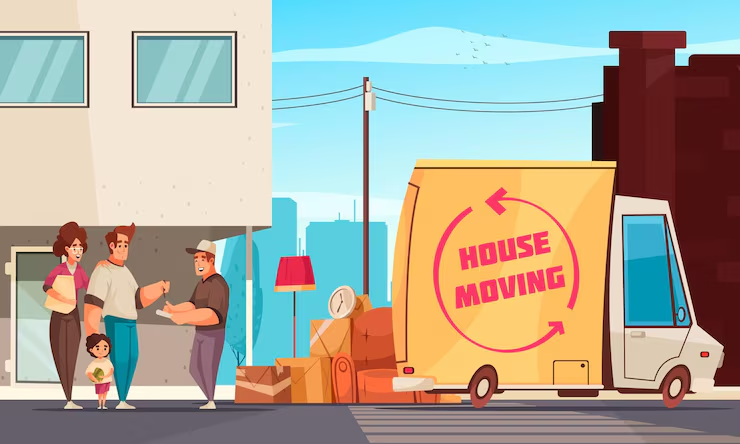
Moving to a new city can feel emotionally draining even when the move itself is a win, because relocation quietly strips away every automatic routine that used to make you feel competent and known. That exhaustion is not a sign you made the wrong choice. It is a normal, well documented response, and there is a way through it that does not require pretending you are fine.
Key Takeaways
- Relocation exhaustion often shows up after a genuinely good move, not despite it.
- The tiredness comes from losing hundreds of small automatic routines, not from ingratitude.
- Compulsory optimism, the pressure to insist “it’s amazing here,” makes the loneliness worse and harder to name.
- Small, repeated rituals tend to rebuild a sense of home faster than one big social push.
- Talking honestly about the hard parts, even to someone outside your circle, can speed up the adjustment.
The Dream Move That Doesn’t Feel Like a Dream

Picture the moving montage we have all watched a hundred times on TikTok. The time-lapse of boxes, the sunlit empty apartment, the caption that reads “new city, new me,” set to a soft acoustic cover.
Contrary to what most of us have been misled to believe, that montage ends right where the actual difficulty begins. The raise, the skyline view, the city that topped a “best places to live” list: these are supposed to make the transition easy. They rarely do.
Who decided that a good decision should not come with grief? Somewhere along the way, we absorbed the idea that only forced moves, the ones tied to hardship or heartbreak, deserve to feel hard.
A voluntary, upward move, the kind people congratulate you for, gets no such permission. So when the dread shows up anyway, in the middle of a beautifully lit kitchen surrounded by half-unpacked boxes, it arrives with an extra layer of confusion. If everything is going so well, why do I feel so broken?
My Own Very Unglamorous Relocation
In the course of my career I have moved for opportunities I was genuinely excited about, and every single time, somewhere around week three, I have sat on a bare floor and felt strangely close to tears over a grocery store I couldn’t find.
Not because I regretted the move.
Because my brain had quietly stopped knowing how to do anything on autopilot, and doing everything on purpose all day, every day, is exhausting in a way nobody warns you about.
I did the thing where you scroll for hours watching strangers assemble instant friend groups in what looks like a single weekend, and feel worse with every video. Social media has a way of making disconnection feel like a personal failing, comparing your unpacked boxes to someone else’s highlight reel.
I also did the thing where family back home would call, ask how it was going, and I would say “it’s amazing here” while sitting in the dark, because admitting otherwise felt like betraying the opportunity I had been handed.
That is one version of needing someone to talk to when you don’t want to burden your friends, except I did not even let myself reach for that. I just went quiet, which turned out to be its own kind of expensive.
In this piece, I want to share what actually helped me stop treating that exhaustion as a character flaw and start treating it as a solvable, temporary tax on change.
What Actually Helped Me Feel Human Again
1. I let myself grieve the city I left before I demanded love for the one I’m in.
Sociologists have a word for the thing you lose when you relocate: habitus, the deep, automatic knowledge of how to move through a place without thinking. You do not need the term to feel the loss.
You just notice that you no longer know which corner store will let you use their bathroom, or which train car tends to be quietest. Missing your old life is not disloyalty to your new one. Grief and gratitude can share the same moving box.
2. I stopped performing “I’m thriving” for the group chat.
Compulsory optimism is the unspoken rule that every big life change must be narrated as an adventure. I broke that rule quietly, one honest text at a time, and the relief was immediate. Honesty is the distance between surviving a move and actually recovering from one.
3. I picked one small ritual and made it non-negotiable.
Environmental psychologists who study place attachment generally agree that a sense of home is built through repetition, not through one perfect week. I chose the same coffee order at the same time each morning, in the same seat, until a stranger recognized my face. It sounds small. It was not. Routine is the distance between chaos and a Tuesday that finally feels ordinary again.
4. I put a price on my own effort, and paid it without waiting to be reciprocated.
New arrivals enter what researchers sometimes call a relational vacuum, a stretch where nobody owes you their time yet. I decided I would be the one to text first, plan first, and follow up first, for as long as it took, without keeping score. If you are in that stretch right now, there are concrete ways to rebuild a support system after a move that do not rely on luck.
5. I stopped treating competence at my job as proof that I belonged in the city.
Career success and social belonging are not the same currency, and an upward move can quietly widen the gap between them. This is part of why promotions and big career wins can feel strangely lonely: you are visibly winning at work while privately feeling like a stranger everywhere else. Belonging is the distance between being good at your job and being known outside of it.
6. I let one relationship be boring instead of chasing an instant tribe.
The instant-friend-group myth enters the chat every time we compare our real, slow progress to someone else’s edited highlight reel. I stopped trying to manufacture a whole crew and let one ordinary friendship grow at its own pace instead. If you are starting from zero, figuring out how to make friends as an adult is a skill like any other, and it gets easier with practice.
The Simple Truth Underneath All of This
When you were a kid and your family moved, or you started at a new school, nobody expected you to have a friend group by the second week. You were allowed to eat lunch alone for a while. You were allowed to feel strange in the new hallway.
Somewhere between then and now, we decided adults do not get that grace period, that a grown-up should be able to relocate their entire life and feel at home by the following Monday.
We are not helpless in the face of that expectation, but we are also not machines. A new city will eventually feel like yours, not because you gutted through it, but because you kept showing up in small, unglamorous, repeated ways until the unfamiliar became boring, and boring is where home actually lives.
If the ache of an unfamiliar city ever feels like too much to carry by yourself, especially before you have a new circle you trust with the honest version of how you are doing, it can help to talk it through with someone outside the situation entirely. That is part of why platforms like Callin exist: a confidential, non-clinical space to say the quiet parts out loud without worrying about burdening anyone back home or anyone new.
Frequently Asked Questions
Why do I feel so sad after a good move?
Sadness after a good move usually has nothing to do with regret. It comes from losing the hundreds of small, automatic routines that used to make daily life feel easy, which is a genuine adjustment for your nervous system, not a character flaw.
Is it normal to miss my old city even though I know I made the right choice?
Yes. Missing a place you were glad to leave is one of the most common and least discussed parts of relocation. Grief and confidence in your decision can exist in the same week, sometimes in the same hour.
How long does it typically take to feel at home in a new city?
It varies widely by person and circumstance, but many people report a meaningful shift somewhere between six months and a year, as routines, faces, and small rituals start to repeat often enough to feel familiar again.
Why do I feel lonely even when I am meeting new people all the time?
Meeting people is not the same as being known by them. Early relationships in a new city often require a lot of performance and explanation, which can feel exhausting and hollow even when the interactions themselves go well.
Why does everyone else seem to adjust to a new city faster than I did?
They probably do not. What you are usually comparing is your unedited, in-progress experience to someone else’s curated highlight reel, which is a distorted comparison from the start.
When should I consider talking to someone about relocation stress?
If the exhaustion is affecting your sleep, motivation, or ability to function for more than a few weeks, or if you simply do not have anyone you feel comfortable being honest with, that is a reasonable point to seek out a supportive conversation, whether with a friend, a peer support option, or a licensed professional if things feel more serious than everyday adjustment.

Leave a Reply