
If you typed “I need someone to talk to” into a search bar, you already did the hardest part. You named what you were feeling instead of pushing it down. That instinct is worth trusting. Whether you’re dealing with loneliness, overwhelm, or something you can’t quite name yet, real people and real options exist to help you feel heard today, not weeks from now.
Key Takeaways
- Wanting someone to talk to is a normal, healthy response to stress or loneliness. It is not a weakness, and it is not automatically a diagnosis.
- Being truly listened to changes how a feeling settles in your body and mind. Active listening is a specific, learnable skill, not just a personality trait some people happen to have.
- Support exists on a spectrum. Therapy addresses clinical needs, while peer support, warmlines, and platforms like Callin fill the space between “I’m fine” and “I need a therapist.”
- Research consistently shows people underestimate how willing others are to help them, which is part of why “I don’t want to be a burden” feels true even when it usually isn’t.
- A good emotional support conversation depends less on finding the right words and more on finding a listener who is present, patient, and free of judgment.
Why Do People Search “I Need Someone to Talk To”?

This phrase gets typed into search bars thousands of times a day, and it rarely comes from one single cause. Most people land here after a slow accumulation of small pressures rather than one dramatic event. Understanding what usually sits underneath the search can make the feeling itself less confusing.
When Loneliness Builds Quietly
Loneliness rarely announces itself. It tends to build in the background while life looks, from the outside, perfectly normal.
The U.S. Surgeon General’s 2023 advisory on the subject noted that about half of American adults had already reported experiences of loneliness even before the COVID-19 pandemic made things worse, which suggests this was never just a pandemic side effect.
It’s also possible to be surrounded by people and still feel unseen, a state some psychologists call functional loneliness. If you’re unsure whether what you’re feeling counts, Callin’s loneliness quiz can help you put language to it, and so can talking with someone who understands what it’s like to feel lonely even with people around.
The Fear of Being “Too Much”
A large number of people who need someone to talk to spend weeks talking themselves out of reaching out first. Psychologists call this perceived burdensomeness: the belief that your struggles will weigh other people down.
Stanford researcher Xuan Zhao’s work found that people regularly underestimate others’ willingness to help them, and that this gap between perception and reality is one of the biggest reasons people stay quiet. I
n other words, the fear of being a burden is usually a distortion, not an accurate reading of the relationship. If this fear is the main thing keeping you silent, it can help to read more on how to talk to someone without feeling like you’re burdening your friends.
Needing a Perspective Your Own Circle Can’t Give
Sometimes the people closest to you are too close. A friend who is emotionally invested in your happiness, or tangled up in the same situation, can struggle to respond without bias.
Needing someone to talk to is often less about a lack of support and more about wanting a perspective that isn’t already shaped by history with you. This is one reason people search for someone to talk to online rather than simply calling a friend: distance can create clarity.
What Does It Mean to Have Someone Listen?
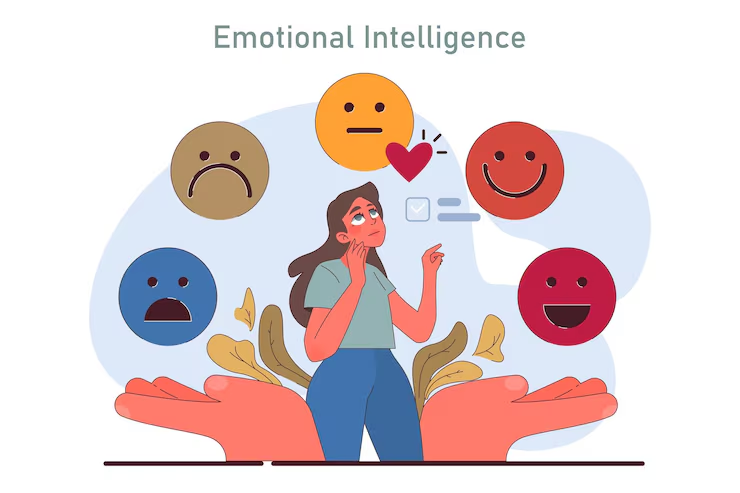
“Someone to talk to” and “someone who actually listens” are not the same thing, and the difference matters more than most people realize.
Active Listening Is a Skill, Not a Personality Trait
The term active listening was coined by psychologist Carl Rogers, and it describes a deliberate practice of reflecting a person’s feelings back to them rather than jumping straight to advice or reassurance.
A well-known study had participants talk about a disappointment with someone trained in active listening, someone who gave advice, or someone who simply acknowledged them, and the people who received active listening reported feeling more understood at the end of the conversation.
This matters because most well-meaning friends default to fixing a problem, not because they don’t care, but because reflective listening is a taught skill most of us were never taught. It also helps explain why a conversation with a trained listener can feel different from a conversation with a friend, even when both parties genuinely want to help.
Why Feeling Understood Matters More Than Being Advised
Being told what to do can feel like being handled rather than heard. Feeling understood, on the other hand, tends to lower the emotional intensity of a problem before any solving even begins.
James Pennebaker’s decades of research on emotional disclosure found that holding back thoughts and feelings about difficult experiences is associated with measurable physiological strain, while talking or writing about them was linked to fewer physician visits afterward.
Simply put, saying the thing out loud to someone who is genuinely listening appears to do something that thinking about it alone does not. This is also why a two-minute vent to the right listener can sometimes leave you calmer than an hour of scrolling through advice online.
Where Can You Find Someone to Talk to Online?
Support is not one-size-fits-all, and knowing the shape of your options makes it easier to choose the right one.
Therapy and Counseling
Licensed therapy is designed for diagnosable mental health conditions, ongoing patterns that significantly disrupt your life, or trauma that needs structured clinical treatment.
A therapist can diagnose, prescribe treatment plans, and work with you over months or years toward specific clinical outcomes. If what you’re carrying feels persistent, severe, or tied to a specific condition, this is the right door to try first.
Peer Support and Warmlines
Peer support connects you with someone who has lived experience rather than a clinical license, and warmlines are phone or chat lines staffed for exactly this kind of non-crisis emotional support.
A review of peer support research published in Psychiatric Services found a modest positive effect on outcomes like self-advocacy, suggesting peer connection genuinely helps people feel more capable, even if it isn’t a substitute for clinical treatment.
It’s worth understanding the real difference between a warmline and a crisis line before you reach out, so you land in the right kind of conversation the first time.
Emotional Support Platforms
This is the newer, growing category that sits between calling a friend and booking a therapist: platforms built specifically around trained, non-clinical active listening.
They exist for the days you don’t need a diagnosis, you need to be heard. If you’ve been telling yourself you need someone to talk to but not therapy, this is worth reading, because that distinction is more common, and more valid, than most people realize.
What Makes a Good Emotional Support Conversation?
The best conversations of this kind share a few consistent qualities, regardless of who is on the other end.
Full presence matters more than clever responses. A listener who isn’t distracted, rushing, or waiting for their turn to talk creates the conditions for honesty.
Non-judgment matters just as much: knowing you won’t be met with a raised eyebrow or a lecture makes it far easier to say the real thing instead of the polished version.
Confidentiality removes the social cost of honesty, since you’re not managing how the conversation might resurface at a dinner with mutual friends later.
And, maybe most importantly, a good support conversation doesn’t require you to take care of the other person’s feelings while you’re trying to process your own, which is often the hidden reason venting to friends can feel more draining than relieving.
This is the space Callin was built for. It’s a non-clinical platform where trained peer listeners offer confidential, judgment-free conversations for the ordinary, heavy days that don’t need a diagnosis, just a person who is genuinely paying attention.
It isn’t a replacement for therapy, and it was never meant to be. It’s meant for the moments in between, when consistent, low-pressure emotional support is exactly what would help.
Needing someone to talk to is not a sign that something is wrong with you. It’s a sign that you’re paying attention to yourself, and that alone is worth taking seriously.
The right conversation, with the right person, at the right time, can change how a hard day or a hard season actually feels. You don’t have to figure out which category you belong in before you’re allowed to reach out.
Frequently Asked Questions
Is it normal to need someone to talk to even when I have friends?
Yes. Having friends and feeling emotionally supported are not the same thing. You can have a full social calendar and still feel unheard, especially if conversations tend to stay surface level or your friends are dealing with their own stress.
What’s the difference between venting and going to therapy?
Venting is about being heard and released from the weight of a feeling, usually without a treatment goal attached. Therapy is a clinical process aimed at diagnosing and treating a condition over time. Both are valid, and they solve different problems.
I don’t want to burden anyone. Is that a good enough reason to stay quiet?
It’s an understandable fear, but research suggests it’s usually inaccurate. People tend to underestimate how much others want to help, and staying silent to protect others often costs you support you were never actually going to lose.
What if I just want someone to listen, not give advice?
That’s a completely reasonable thing to want, and it’s worth saying out loud at the start of a conversation. Trained active listeners and peer support platforms are built around exactly this, prioritizing reflection and understanding over problem-solving.
How is peer support different from therapy or counseling?
Peer support is offered by people trained in listening and lived experience rather than clinical credentials, and it’s designed for everyday emotional weight rather than diagnosis or treatment. Therapy is clinical, structured, and appropriate for ongoing or severe mental health conditions.
Can talking to an AI chatbot replace a real conversation?
AI tools can be useful for organizing your thoughts, but they can’t offer the mutual, embodied understanding that comes from being heard by another person. AI emotional support has real limits, and most people who try it still describe feeling like something is missing afterward.
What should I do if I feel unsafe or unable to cope right now?
If you are in immediate danger or having thoughts of harming yourself, please reach out to a crisis line right away. In the U.S., you can call or text 988 to reach the Suicide and Crisis Lifeline, or text HOME to 741741 to reach the Crisis Text Line. If you’re outside the U.S., a quick search for your country’s crisis line will connect you with local, immediate support. Warmlines and peer support are excellent for everyday emotional weight, but they are not a substitute for crisis care.

Leave a Reply