Yes, and a growing number of people already do. Paid listening services connect you with a trained, dedicated listener on demand, without the inconsistency of free volunteer chat or the weight of unloading on a friend. The appeal is not the novelty of paying a stranger. It is the reliability of finally being heard.
Key Takeaways
- Paid listening services are growing because free alternatives are often inconsistent or overwhelmed.
- People are not paying for a friend. They are paying for undivided, trained attention.
- Money removes guilt from the conversation in a way free options rarely do.
- Paid listeners are not therapists, and the best services are clear about that boundary.
- The stigma around paying to be heard is fading faster than most people realize.
The Question Behind the Question
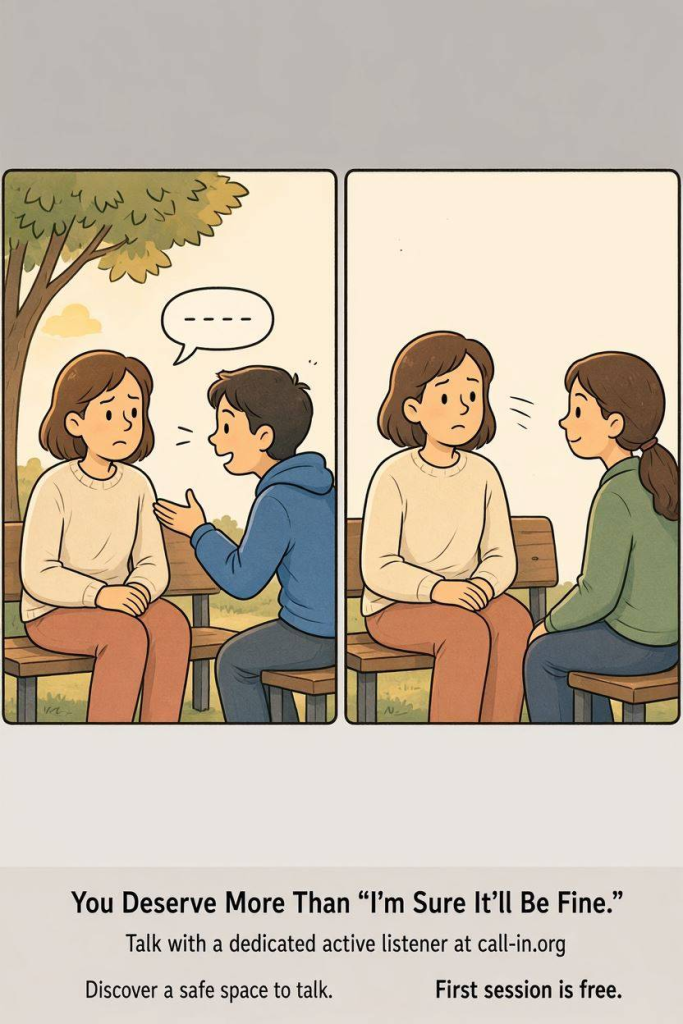
“Would you pay someone to listen to you” sounds like a strange thing to ask out loud. Most people have an instinctive reaction to it, somewhere between curiosity and discomfort.
But look closer and the discomfort usually is not about the idea itself. It is about what it implies. If you would pay for someone to listen, does that mean the people in your life are not listening well enough?
Not necessarily. It often means something simpler. Consistent, undivided attention is rare, and rare things tend to develop a market.
What Paid Listening Services Actually Are
A paid listening service connects you with a trained listener, usually on a per session or subscription basis, for a confidential conversation with no clinical framework attached. There is no diagnosis, no treatment plan, and no medical record. There is simply a person whose job, for that block of time, is to listen closely and without an agenda.
This is different from a friend doing you a favor. It is also different from a hotline staffed by rotating volunteers. A paid listener shows up consistently, is trained specifically in active listening, and has no competing obligations pulling their attention elsewhere during your conversation.
Why Free Chat Lines Have Real Limits
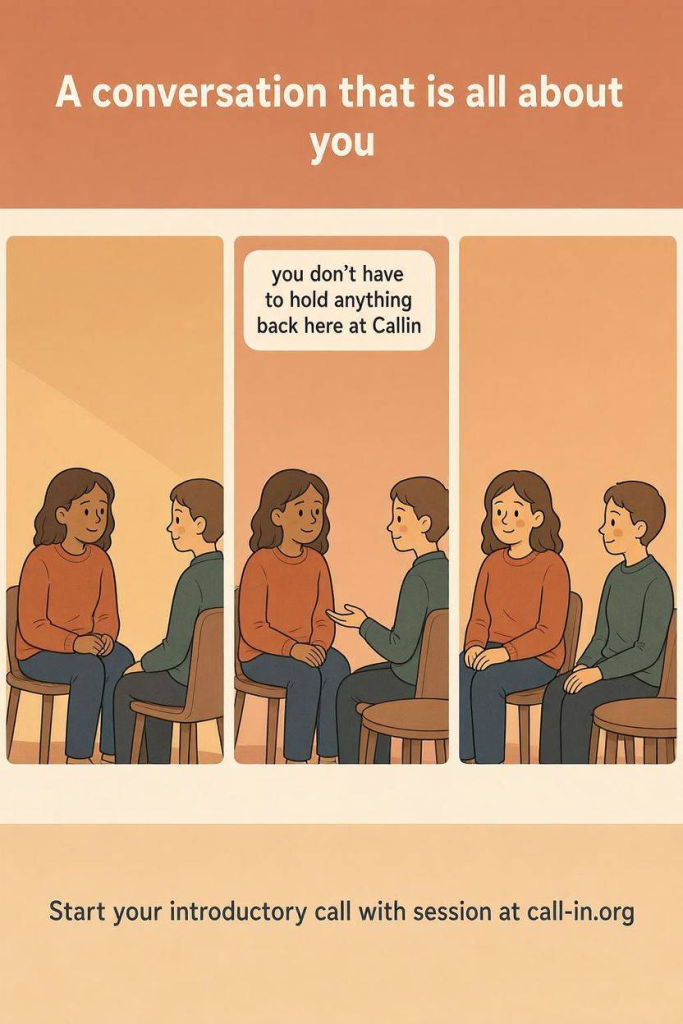
Free peer support lines and apps do meaningful work, and they matter for people who need immediate, low-cost access to someone. But they come with structural limits that are worth naming honestly.
Volunteers rotate constantly, so you rarely talk to the same person twice. Wait times vary depending on demand, and busy nights can mean long delays exactly when you need someone fastest. Many volunteers are unpaid and juggling their own responsibilities, which can lead to burnout and inconsistent quality, through no fault of their own.
None of this makes free options bad. It simply explains why people increasingly look for alternatives when they want something more dependable.
What You Are Actually Paying For
This is the part most people misunderstand. You are not paying someone to pretend to care. You are paying for structural things that free models struggle to guarantee.
You are paying for consistency, the same trained listener or at least the same standard of training every time. You are paying for availability, a session that starts close to when you need it instead of a queue. You are paying for depth, a conversation that is not rushed because the person on the other end has somewhere else to be.
You are also paying for something less tangible but just as real. Permission to take up space without wondering if you are inconveniencing someone.
The Guilt-Free Economics of Being Heard
Here is an idea worth sitting with. Paying for a service removes an entire layer of emotional math that free conversations quietly carry.
When you call a friend at 11 p.m., some part of you is calculating the cost, whether they were asleep, whether they will feel drained tomorrow, whether you are becoming “that person” who always needs something. When you pay for a session, that math disappears. The transaction itself carries the weight the guilt used to carry.
This is not a cynical view of human connection. It is closer to the opposite. Removing the guilt calculation actually lets people show up more honestly, because they are not performing gratitude or minimizing their own needs to make the exchange feel fair.
How This Differs From Therapy
It is important to be precise here, because paid does not mean clinical. A paid listening service is not a substitute for licensed mental health treatment, and the reputable ones say this clearly rather than blurring the line for marketing purposes.
Therapy involves diagnosis, treatment planning, and clinical expertise aimed at long-term change, often for specific conditions. Paid listening is aimed at the conversation itself, the relief of processing a thought out loud with someone whose full attention you are not worried about straining.
If you are unsure which one fits your situation, this comparison of emotional support versus therapy walks through the distinction in more detail.
Is Paying to Be Heard a Sign Something Is Wrong?
It is tempting to read the rise of paid listening as evidence that modern life has broken something, that people are so disconnected they now have to buy basic human attention. That framing is popular, but it may be backwards.
People have always paid for scarce, valuable things. Time and undivided attention have become scarce, not because people care less, but because everyone’s schedule is stretched thinner than it used to be. Paying for a listener is not a symptom of a broken society any more than paying for childcare is a symptom of broken parenting. It is a reasonable response to a real constraint.
Why AI Cannot Fully Replace This
AI chat tools have grown fast, and they are useful for quick, low-stakes venting at 3 a.m. when no human option is available. But they are missing something that paid human listening still offers. AI emotional support has real limits, particularly around the felt sense of being understood by someone who has actually experienced being human.
A paid listener notices tone shifts, hesitation, and the things you almost said but did not. That kind of attentiveness is still difficult to replicate convincingly, and for many people, the difference is immediately obvious.
Who Tends to Use Paid Listening Services
People who feel like they are always the one supporting others and rarely being supported themselves. People going through a transition, like a move, a breakup, or a career change, who need a sounding board more than a treatment plan. People who simply do not want to explain their whole life story to someone new every time they reach out.
There is no single profile. What tends to connect users is a desire for reliability over randomness, and depth over a quick, distracted check-in.
Where Callin Fits Into This
This is the exact gap Callin was built to fill. It connects people with trained, dedicated peer listeners for confidential conversations, offering the consistency and quality of attention that free volunteer chat often cannot guarantee, without positioning itself as a replacement for clinical therapy.
Frequently Asked Questions
Is paying someone to listen to you the same as therapy?
No. Paid listening focuses on active, non-clinical conversation and emotional processing. Therapy involves diagnosis and structured treatment from a licensed professional. They serve different needs and are not interchangeable.
Why would someone pay instead of using a free hotline?
Free hotlines are valuable but often come with rotating volunteers, variable wait times, and inconsistent availability. Paid services tend to offer more reliable access to a consistently trained listener.
Is it weird to pay someone to listen to your problems?
Not particularly. People pay for scarce, valuable things all the time, and undivided attention has become one of them. There is nothing unusual about valuing reliable, high quality listening enough to pay for it.
What is the difference between a paid listener and a friend?
A friend brings history, familiarity, and often unconscious guilt about being a burden. A paid listener brings full attention with no personal history to navigate, which many people find easier to be honest with.
Can paid listening services replace a support system of friends and family?
They are not meant to. They work best as a complement to personal relationships, offering a space for conversations that feel harder to have with people who know you closely.
How much do paid listening services typically cost?
Pricing varies by platform and format, from single sessions to subscription models. Many are structured to be significantly more accessible than traditional therapy, since they are not delivering clinical treatment.
Is it normal to feel nervous before your first paid listening session?
Yes, that is common. Most people feel some hesitation before the first conversation and find it eases quickly once they realize the listener is not evaluating them, just present with them.
The idea of paying someone to listen might sound unusual at first, but it answers a need that has always existed. People want to be heard fully, consistently, and without guilt. That is worth paying for, and it always has been.

Leave a Reply