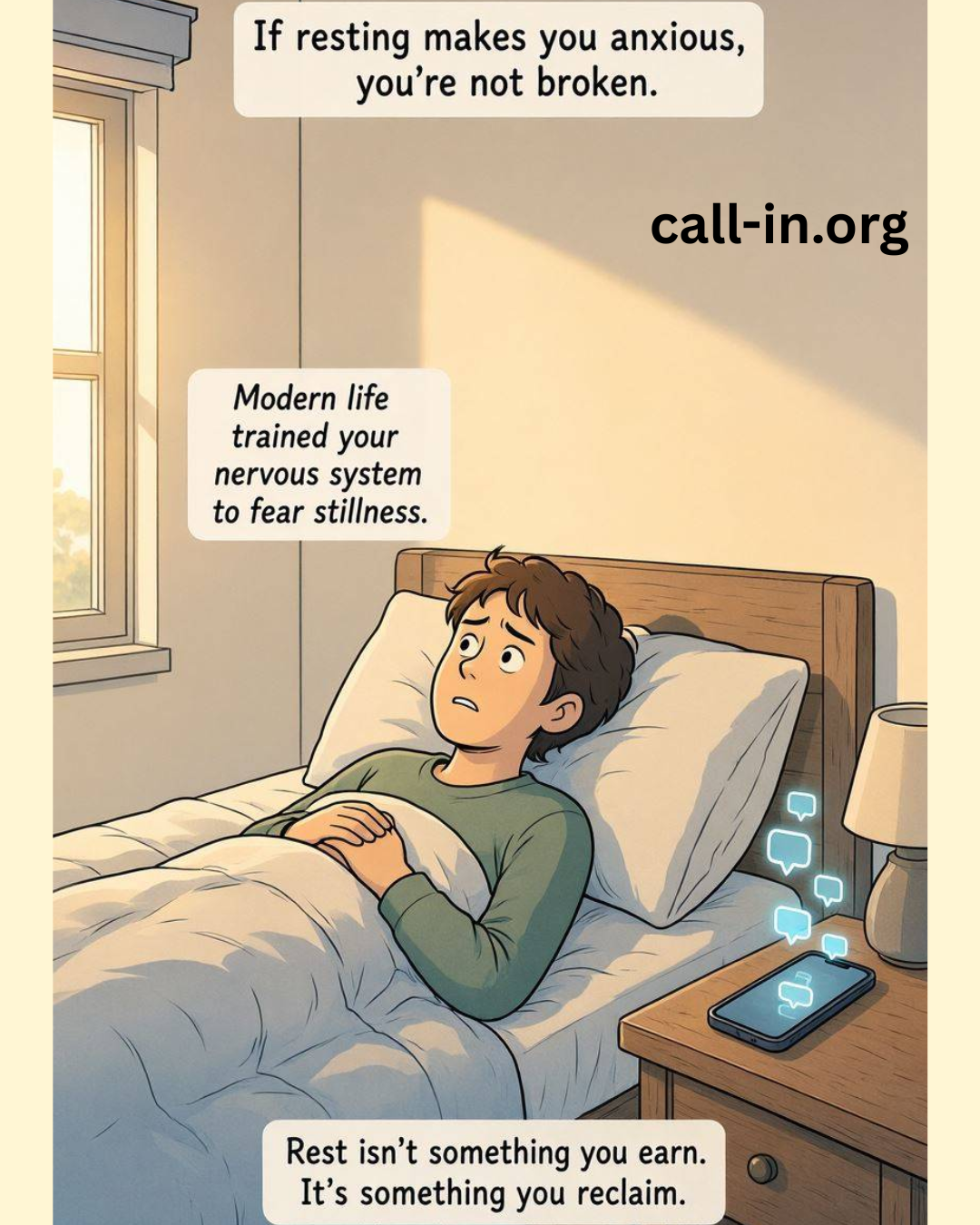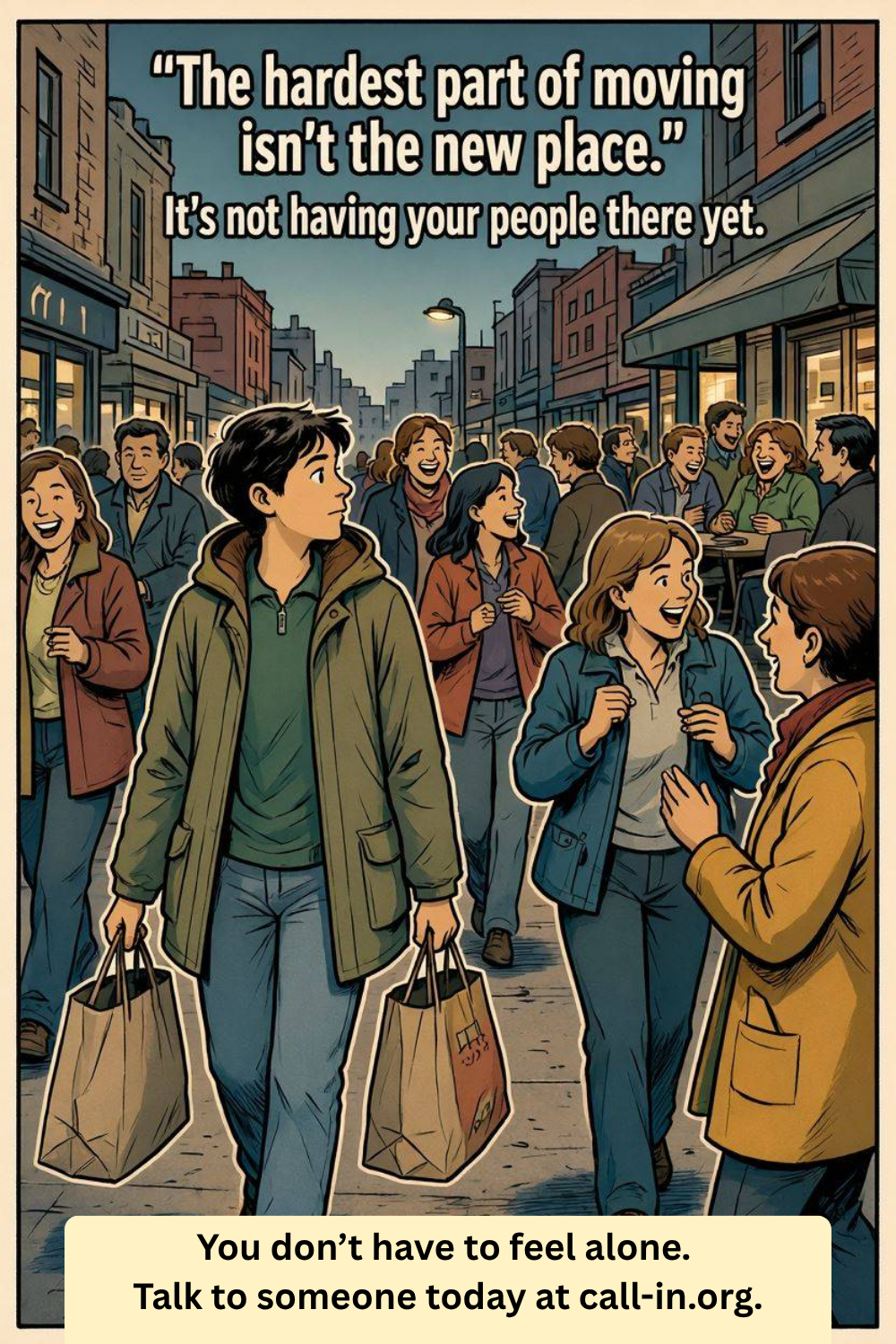
A warm line is a free, confidential, non-crisis peer support phone service for people who need someone to talk to. Here’s how warm lines work, who they help, and how they differ from a crisis line.
If you are asking who you can talk to when you feel lonely, the honest answer is: more people and services exist to listen than you might realise. You can reach a trusted friend, a family member, a free warm line, an online community, or a compassionate human listener through services like Callin. You are not out of options. You are simply looking for the right one.
In today’s fast-paced world, it’s easy to feel overwhelmed by the constant hustle and bustle driven by capitalism. Work culture often demands more from us than ever, leaving little room for downtime or self-care.
To cope with this stress, it’s important to carve out moments just for yourself, whether that’s through a quick walk during lunch or indulging in a hobby after work.
Finding ways to disconnect, even briefly, can help you recharge and regain perspective. Remember, it’s okay to prioritize your well-being over the endless grind; after all, you’re more than just a cog in the capitalist machine.
If you find yourself asking, “why do I stop talking about my problems even when people care about me?” the short answer is this: you have learned, consciously or not, that sharing carries a cost.
It is not a sign of ingratitude, weakness, or emotional dysfunction. It is a deeply rational response to experiences that taught you that vulnerability is not always free. The good news is that understanding why this happens is the first step to finding better, more sustainable ways to feel genuinely heard.
Consistent emotional support restructures baseline stress rather than merely offering temporary relief. Rare, crisis-driven conversations provide a fleeting neurochemical high but exhaust cognitive capacity through heavy context reconstruction.
When support remains volatile, the nervous system stays defensive, making vulnerability feel like a massive burden. Conversely, scheduled, routine listening creates predictable psychological safety, lowering cortisol before you even speak. True emotional wellbeing thrives as a maintained system, not an emergency intervention.
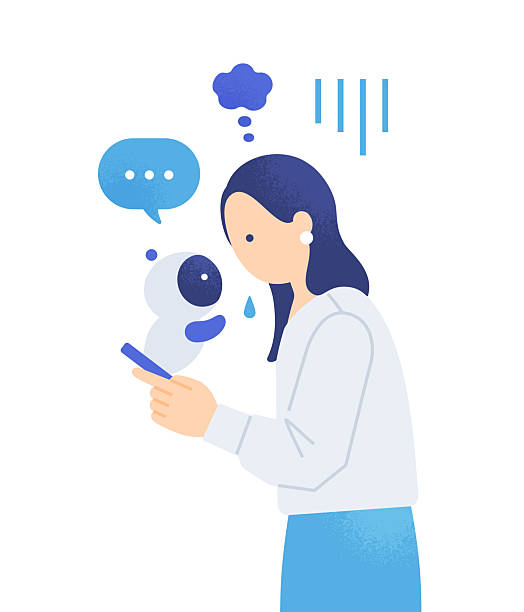
AI emotional support provides temporary comfort through costless validation and frictionless interaction, but it ultimately deepens loneliness. True empathy requires mutual vulnerability, shared social stakes, and finite attention. Because AI lacks consciousness and relational risk, interacting with it creates an empty room effect. Relying heavily on these tools displaces genuine human connection and reduces our tolerance for everyday social friction.
Talking to friends nowadays doesn’t feel enough, because it seems as though most of your friends don’t “get” you.
You have people in your life. You can pick up the phone. You have a group chat, a standing catch-up, a friend who reliably asks how you’re doing. And yet, there is a specific kind of quiet that settles after those conversations end. A sense that something you needed was passed around the table but never quite handed to you.
When you need to vent but do not therapy? You can seek non-clinical emotional support. This includes peer support groups, warmlines, and structured listening services.
These spaces offer dedicated time to process everyday stress and identity shifts without clinical labels. They rebuild lost informal support networks, providing a confidential environment for active listening and reflection. Using these platforms helps metabolize daily pressure effectively before it escalates into a crisis.
Yes, and a growing number of people already do. Paid listening services connect you with a trained, dedicated listener on demand, without the inconsistency of free volunteer chat or the weight of unloading on a friend. The appeal is not the novelty of paying a stranger. It is the reliability of finally being heard.
You find that you crave connection, but still avoid it. This is not a psychological dysfunction. It is a rational response to how modern relationships are structured.
Today, connection demands exhausting emotional disclosure, continuous digital availability, and constant identity maintenance.
Furthermore, seamless technology has made us intolerant of ordinary social friction. Because the structural cost of vulnerability has skyrocketed, overwhelmed people withdraw. To combat this, we need bounded spaces that lower the burdens of socializing.
Emotional Needs are no longer adequately met by the traditional relationship categories of romantic partners, friends, and therapists. Today, partners are overwhelmed by expectations to fulfill every role, while adult friendships have shifted toward light maintenance rather than deep processing.
Meanwhile, everyday struggles are increasingly pathologized and routed to strained clinical therapy systems. This structural shift creates a massive support gap. Adults find themselves socially connected yet lacking a space to process life without clinical labels or burdening loved ones.
Consequently, new relational infrastructure, like dedicated listening services, is emerging to hold the weight conventional relationships can no longer carry.
Shifting emotional expression across contexts is not evidence of a broken self. It is evidence of a working one.
Human social life has always depended on context-specific behavior. What has changed is not human nature. What has changed is the architecture of modern life, which keeps merging contexts that used to stay separate. A colleague sees a personal post. A parent reads a text meant for a partner. A video call puts a living room behind a person during a work presentation.
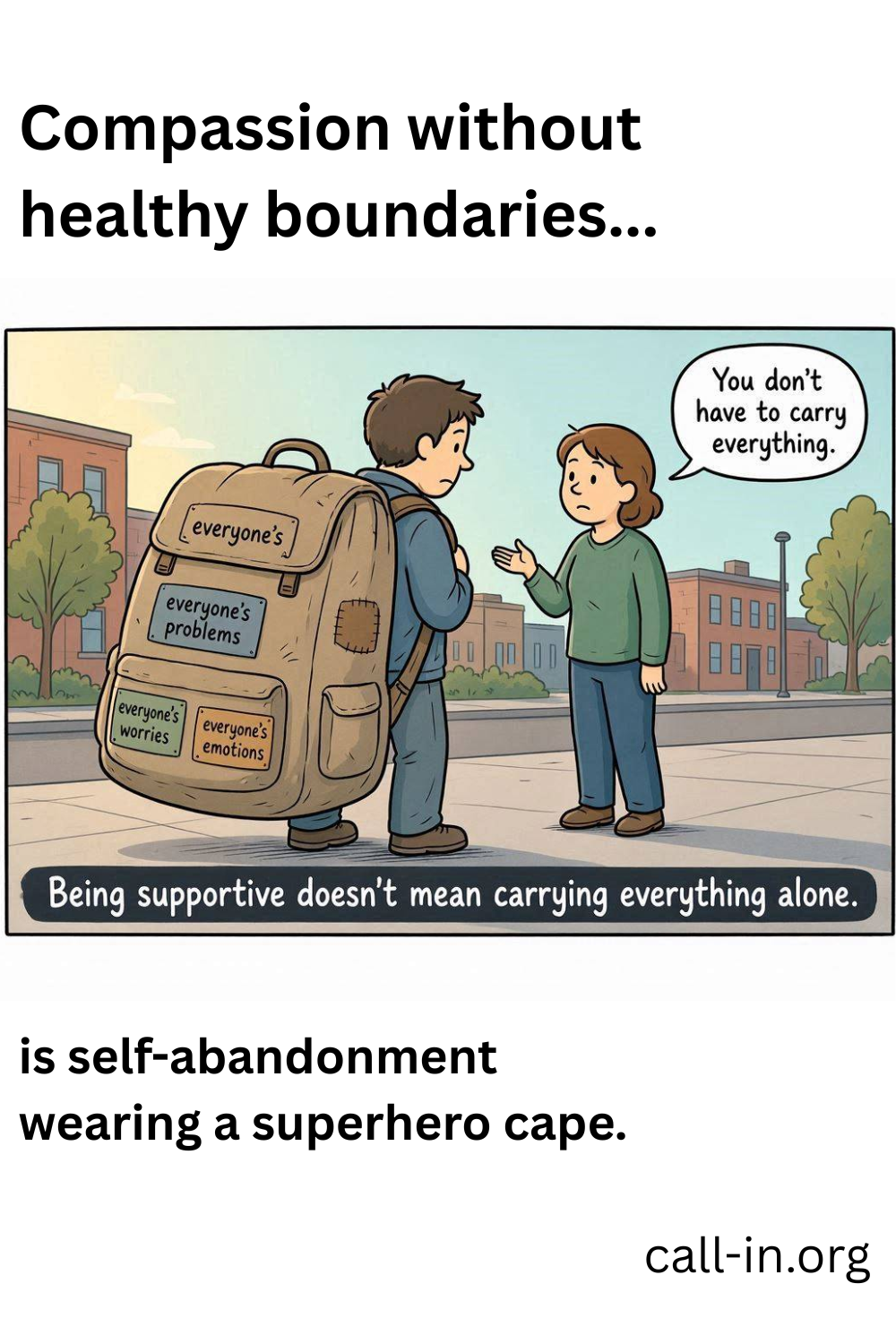
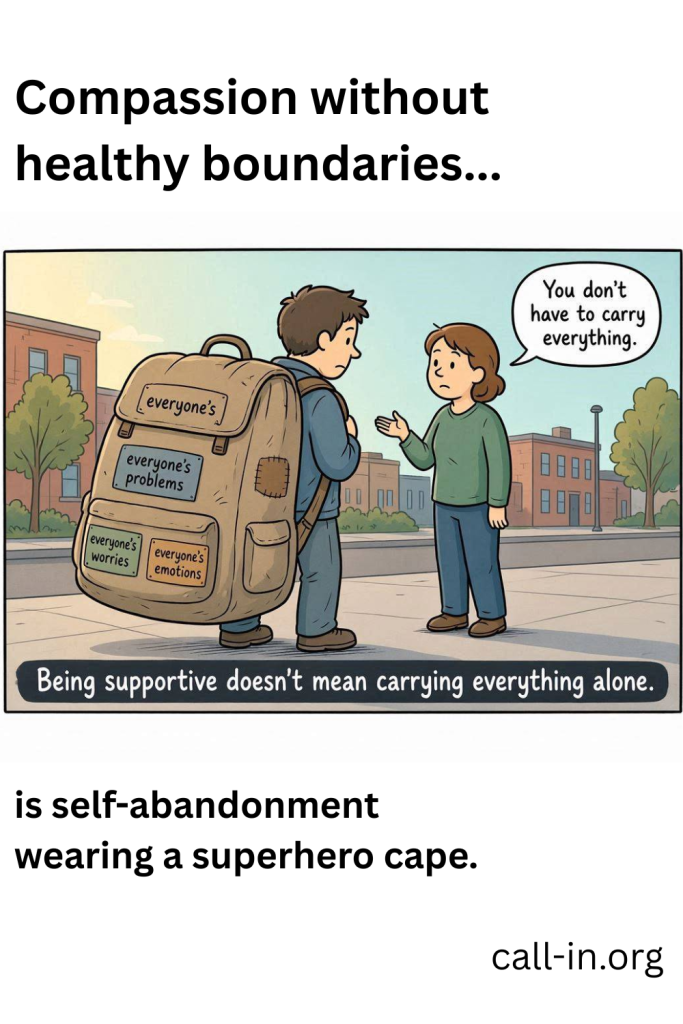
Being the strong one who feels responsible for other people’s emotions is kind. But at what cost? If you’ve asked yourself about how to stop carrying everyone’s problems or wondered why you feel responsible for the emotional temperature of every room you walk into, the problem is rarely a lack of willpower. It is usually a missing structure. This article explains why that structure goes missing and how to rebuild it.
If you need help processing everyday stress, loneliness, or overthinking, non-clinical emotional support is usually enough. If you are dealing with a diagnosable condition, trauma, or patterns that are affecting your daily functioning, therapy is the better fit. This guide breaks down exactly how to tell the difference.
Workplace stress support means combining organisational change with confidential emotional support, not relying on wellness apps alone. It includes healthy workplace practices, personal wellbeing habits, and regular opportunities to process work pressure with another person. The goal is to treat stress as routine professional maintenance, not only a crisis response.
If you feel like a burden, the fastest relief usually comes from talking to a non-judgmental person who has no stake in your daily life, such as a trained peer listener, a warmline volunteer, or a confidential support service. These spaces exist specifically so you never have to worry about being “too much.”
That worry, the fear of being too much, is one of the loneliest feelings a person can carry. It convinces you to stay quiet even when you need connection the most.
To provide the best experiences, we use technologies like cookies to store and/or access device information. Consenting to these technologies will allow us to process data such as browsing behavior or unique IDs on this site. Not consenting or withdrawing consent, may adversely affect certain features and functions.
Functional
Always active
The technical storage or access is strictly necessary for the legitimate purpose of enabling the use of a specific service explicitly requested by the subscriber or user, or for the sole purpose of carrying out the transmission of a communication over an electronic communications network.
Preferences
The technical storage or access is necessary for the legitimate purpose of storing preferences that are not requested by the subscriber or user.
Statistics
The technical storage or access that is used exclusively for statistical purposes.The technical storage or access that is used exclusively for anonymous statistical purposes. Without a subpoena, voluntary compliance on the part of your Internet Service Provider, or additional records from a third party, information stored or retrieved for this purpose alone cannot usually be used to identify you.
Marketing
The technical storage or access is required to create user profiles to send advertising, or to track the user on a website or across several websites for similar marketing purposes.