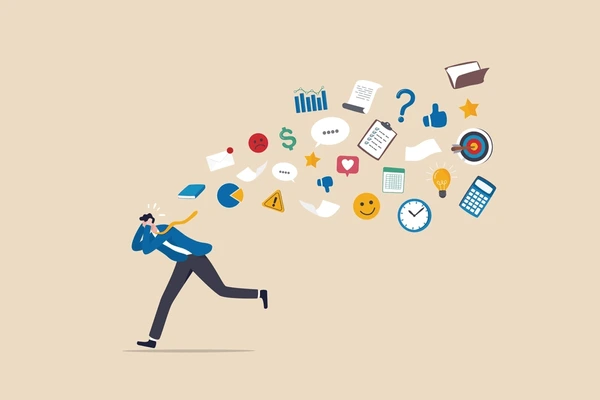
It’s 7am and your phone already has eleven notifications. Three emails are waiting before you’ve had coffee.
A news alert flashes across the lock screen. Somewhere in the back of your mind is a birthday you need to remember, a bill that’s due, a text you still haven’t answered. None of this is technically a crisis.
And yet by mid-morning, you already feel like you’re behind.
If you’ve ever asked yourself why life feels emotionally overwhelming even when nothing is technically wrong, you’re not imagining it, and you’re far from alone.
Modern life places a kind of demand on our attention, emotions, and energy that simply did not exist a generation ago. Understanding why can be the first step toward feeling more in control again.
Why Life Feels Emotionally Overwhelming Today
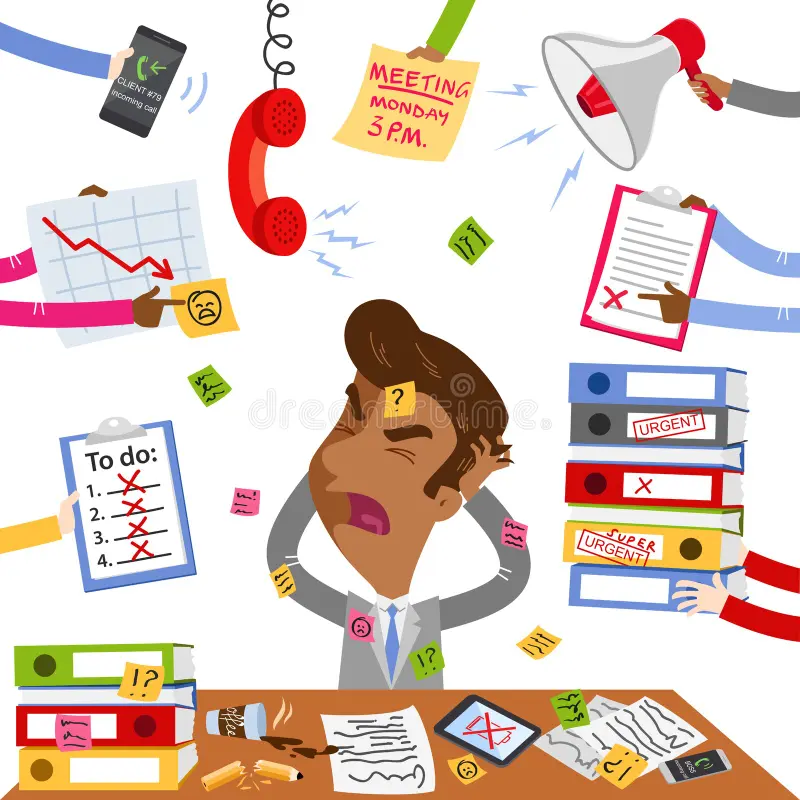
To understand why life feels emotionally overwhelming, it helps to start with a concept psychologists call emotional load. This is the cumulative weight of everything your mind has to track, react to, and manage in a given day, separate from how much you’re actually doing physically.
Humans evolved in small communities with a relatively slow, predictable flow of information. Our nervous systems are built to respond to immediate, concrete threats and to recover fully once those threats pass. Today’s environment looks almost nothing like that. Attention is constantly being pulled in multiple directions at once, and the brain rarely gets uninterrupted downtime to actually process and file away what it has just experienced.
The American Psychological Association’s most recent Stress in America survey found that more than half of adults report feeling lonely on a regular basis, and that nearly seven in ten say their closest relationships aren’t providing enough emotional support.
Separately, the UK’s Mental Health Foundation, in one of the largest stress surveys ever conducted across the country, found that almost three-quarters of adults (74%) had felt so stressed over the past year that they felt overwhelmed or unable to cope.
These aren’t fringe findings. They’re large, representative surveys from respected institutions, and they tell a consistent story: this feeling is widespread, not personal.
What It Means When Life Feels Emotionally Overwhelming
It’s worth being clear about what this isn’t. Feeling like life feels emotionally overwhelming doesn’t automatically mean you have a mental health disorder, and it doesn’t mean you’re failing to cope the way other people seem to manage.
It usually means your emotional load has outpaced your recovery time, and recovery time is exactly what modern life tends to squeeze out first.
Information Overload Is Constant
One of the clearest drivers of emotional overwhelm in modern society is the sheer volume of information competing for our attention every single day.
Consider everything pulling at your focus before lunchtime on an average day:
- A 24-hour news cycle, often covering distressing events in real time
- Social media feeds optimized to capture and hold attention
- A steady stream of notifications from apps, messages, and alerts
- Endless streaming content competing for your remaining downtime
- Work tools like email and chat platforms that never fully switch off
Each of these, on its own, is manageable. Together, continuously, they create what researchers describe as cognitive load, the mental effort required to process incoming information.
When that load consistently exceeds what working memory can comfortably handle, the result is measurable fatigue, slower decision-making, and a sense of being scattered even during quiet moments.
This is part of why so many people report feeling emotionally exhausted all the time, even on days that, on paper, weren’t particularly demanding.
Why Constant Information Makes Life Feel Emotionally Overwhelming
The deeper issue isn’t any single notification or headline. It’s the absence of a true off switch. Your brain doesn’t clearly distinguish between a genuine emergency and a stressful headline scrolled past at 11pm.
Both register, at some level, as something to process. Multiply that by dozens of inputs a day, and it becomes much easier to understand why everything feels overwhelming lately, even to people who are objectively managing their responsibilities well.
We’re Connected to Everyone but Close to Fewer People
Here’s one of the more counterintuitive parts of modern emotional overwhelm: we are more digitally connected than any previous generation, and yet many people feel lonelier than ever.
In 2023, the U.S. Surgeon General released a major advisory describing loneliness and isolation as a serious public health concern, noting that social connection is a critical and often underappreciated contributor to both mental and physical wellbeing.
The advisory pointed out that even before the pandemic, roughly half of American adults already reported experiencing loneliness regularly. The APA’s research echoes this, finding that high levels of loneliness are strongly associated with stress-related physical symptoms and poorer overall wellbeing.
Part of the issue is the type of connection we tend to have. Digital interaction is fast and constant, but it’s often shallow. A string of texts, likes, or quick comments isn’t a substitute for a real conversation. If you’ve found yourself surrounded by people throughout the day and still feel oddly alone, that’s worth paying attention to rather than dismissing, since it often points to a mismatch between contact and genuine connection.
This is especially common for people who work from home, where the structure of an office and casual daily interaction simply isn’t there. If that sounds familiar, remote work loneliness is worth naming directly rather than assuming it’s just part of the job. And if you’ve noticed the same disconnect in person, it can help to understand more about why you feel lonely even around people you know well.
The encouraging part of this research is consistent across nearly every major study on the subject: human connection remains one of the strongest protective factors we have for emotional wellbeing, and it’s never too late to rebuild it.
If your social circle has thinned out over the years, which happens to most people at some point, it’s genuinely possible to make new friends as an adult, even if it takes more intention than it once did.
Modern Work Never Really Ends
Work used to have clearer edges. You left the office, and for the most part, work stayed there. That boundary has largely dissolved.
The World Health Organization now formally recognizes burnout as an occupational phenomenon in its International Classification of Diseases, defining it as a syndrome resulting from chronic workplace stress that hasn’t been successfully managed, marked by exhaustion, growing cynicism toward one’s job, and reduced professional effectiveness.
This isn’t a minor footnote. It reflects how widespread and serious sustained work-related stress has become.
The data backs this up. Gallup’s most recent State of the Global Workplace research found that roughly four in ten employees worldwide report experiencing significant stress on a given day, while only around a third describe themselves as genuinely thriving in their overall lives.
The same research consistently finds that remote and hybrid employees report some of the highest rates of loneliness at work, even as flexibility has otherwise improved.
A few forces are driving this blur between work and the rest of life: remote work that removes the physical commute that once marked a clear end to the day, an always-on culture where a quick reply feels expected at any hour, and productivity pressure that treats constant availability as a virtue rather than a risk.
If any of this sounds familiar, it’s worth taking a closer look at the specific signs of professional burnout before it becomes harder to recover from, including the less obvious reasons people burn out at work that often go unnoticed until they’ve already taken a toll.
We’re Carrying More Decisions Than Ever
Every choice, no matter how small, draws on a limited mental resource. Psychologists call the resulting depletion decision fatigue, and modern life serves up an extraordinary number of choices each day.
Think about what a single afternoon can involve: choosing among dozens of options for something as simple as a streaming show, comparing prices and reviews before a routine purchase, weighing a career decision with no clear right answer, and trying to plan finances in a system that feels more complex every year.
None of these decisions is dramatic on its own. But cognitive load theory, a well-established framework in psychology, holds that working memory has real limits, and that constantly drawing on it without recovery leads to slower thinking, more second-guessing, and a kind of background exhaustion that’s hard to pin on any one cause.
This is part of why so many people describe a vague but persistent sense that life feels harder than it should, even when no single problem stands out as the obvious culprit. The cumulative weight of small decisions is real, even when each individual decision is small.
The Pressure to Be Everything at Once
Modern culture, amplified heavily by social media, has quietly raised the bar for what a “normal” life is supposed to look like. Success today often seems to require excelling at all of the following simultaneously: a thriving career, a fulfilling relationship, attentive parenting, consistent fitness, ongoing personal growth, and long-term financial stability.
Comparison plays a significant role here. Curated, highlight-reel versions of other people’s lives create a distorted baseline, making ordinary struggles feel like personal shortcomings rather than the normal texture of being human.
Reputable mental health publications have repeatedly pointed to this kind of social comparison, especially through media that emphasizes appearance and achievement, as a meaningful contributor to stress and lowered self-esteem.
It’s worth remembering that none of these standards were handed down by nature. They’re cultural, and cultures change. If you’ve drifted into feeling like you’re just going through the motions rather than actually living, our piece on moving from numbness back toward a meaningful life digs deeper into that specific experience.
And if part of the pressure you feel comes from trying to meet everyone else’s expectations of what your life should look like, it can genuinely help to step back and define success on your own terms instead.
Why Being Heard Matters More Than Ever
Given everything above, it makes sense that one of the most consistently protective things a person can do is talk to someone, and be genuinely heard in return.
There’s real neuroscience behind why this works. UCLA psychologist Matthew Lieberman and colleagues found, using brain imaging, that the simple act of putting feelings into words measurably calms the brain’s threat response, reducing activity in the amygdala while engaging regions associated with thinking things through rather than just reacting.
Decades of research building on psychologist James Pennebaker’s work on expressive writing have found similar effects from writing about emotional experiences, including improvements in stress and overall wellbeing.
This is why people often don’t need an immediate solution. They need space to process, the same kind of space that human conversation has always provided.
Psychologist Carl Rogers, who pioneered the modern concept of active listening, argued that non-judgmental listening reduces the threat people feel when sharing something difficult, allowing for more honest reflection.
More recent research backs this up directly, finding that people who experience high-quality listening report feeling less anxious and defensive while opening up than those who are met with distracted or evaluative listening.
None of this points to a single right answer. Different situations call for different kinds of support, and most people benefit from a mix of:
- Friends and family who know your history
- Support groups built around shared experience
- Peer support from people who genuinely understand what you’re facing
- Trained emotional support listeners for confidential, judgment-free conversation
If part of what’s stopping you from reaching out is a quiet sense that you shouldn’t need to, that feeling is extremely common and worth examining rather than simply accepting.
Many people carry unnecessary guilt about needing emotional support in the first place. It also helps to know there’s a real difference between a warmline and a crisis line, since support built specifically for non-crisis moments exists precisely for people who simply want someone to talk to, not a diagnosis or a treatment plan.
Active listening in particular is a learnable skill, which is exactly why a trained, practiced listener can offer something genuinely valuable, even alongside the people who already know and love you.
How to Cope When Life Feels Emotionally Overwhelming
Understanding why life feels emotionally overwhelming is genuinely useful, but it’s just as important to have practical ways to create more balance. None of these require overhauling your life overnight.
Reduce information consumption intentionally. You don’t need to disconnect entirely. Setting specific times to check news and social media, rather than grazing on them all day, meaningfully reduces cognitive load.
Create technology-free periods. Even short stretches, like the first thirty minutes after waking up or the last hour before bed, give your nervous system a genuine break from constant input.
Prioritize meaningful conversations. A short, real conversation with someone who listens well does more for emotional regulation than hours of passive scrolling.
Strengthen your support systems. This doesn’t have to mean a big life change. It can mean reconnecting with one old friend or trying one new community. For a fuller picture of what’s available, our guide to emotional support options lays out the full range, from informal to more structured support.
Schedule recovery time. Treat downtime as a legitimate appointment with yourself, not something you’ll get to if everything else is finished, because it rarely will be.
Focus on what you can control. Information overload thrives on things outside your influence. Redirecting energy toward what you can actually act on reduces the sense of helplessness that fuels overwhelm.
Build small moments of rest into daily life. Five quiet minutes between tasks, a short walk, or simply sitting without a screen can interrupt the buildup of stress before it compounds. These small, repeatable habits are at the core of effective stress management, and they tend to matter more, cumulatively, than any single big gesture.
You’re Not Alone When Life Feels Emotionally Overwhelming
If life feels emotionally overwhelming for you right now, you are far from alone in that experience. The research is consistent across major institutions, from the APA to the Mental Health Foundation to the World Health Organization.
Millions of people are navigating the same pressures: constant information, thinner social connection, blurred work boundaries, decision fatigue, and unrealistic standards for what a balanced life is supposed to look like.
This is not a personal weakness. It may simply be that you’re trying to cope with more information, more expectations, and more emotional demands than any previous generation has had to face.
Recognizing that is not an excuse to stop trying. It’s a more accurate, more compassionate starting point for figuring out what actually helps. If you’d like to go deeper on practical next steps, our related guide on what to do when you feel overwhelmed but don’t think you need therapy is a natural place to continue.
Leave a Reply