
Professional burnout has reached epidemic proportions in 2026, affecting more than half of the American workforce. If you’re reading this while feeling emotionally drained, cynical about your work, and questioning whether you can continue at this pace, you’re not alone, and more importantly, recovery is possible.
This comprehensive guide will walk you through understanding professional burnout, recognizing its warning signs, and implementing a proven recovery framework that works even when you can’t take extended time off.
Understanding Professional Burnout: More Than Just Stress
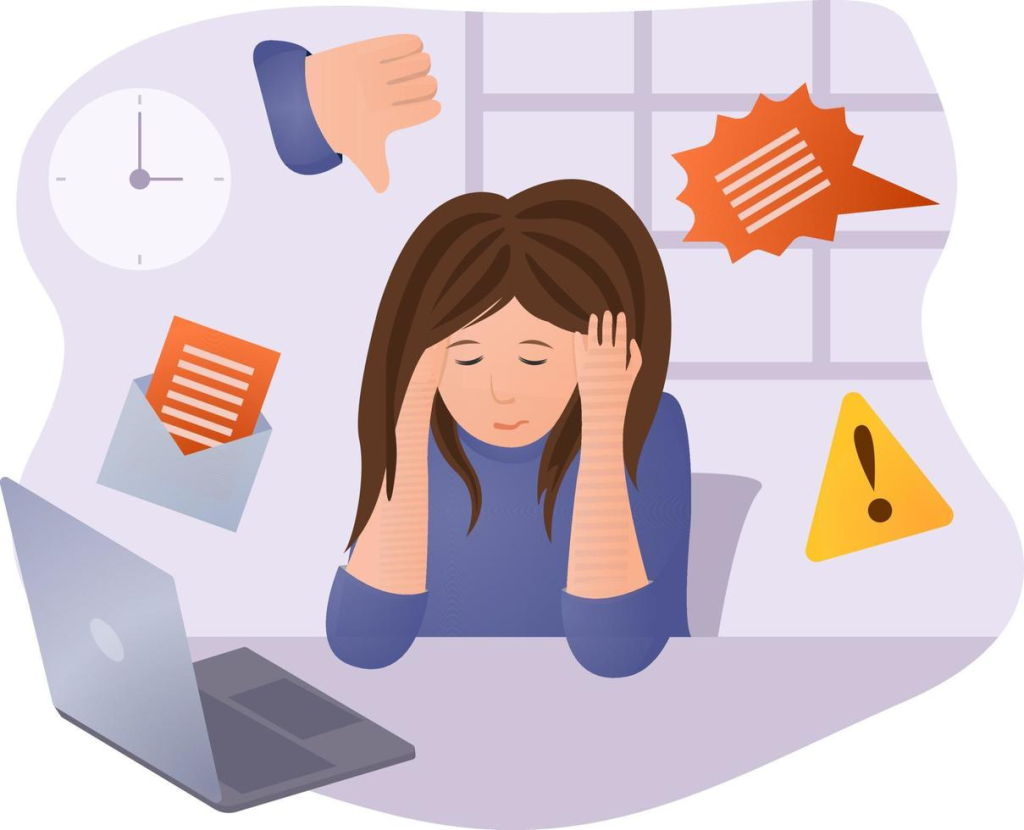
Professional burnout is not simply feeling tired after a long week. The World Health Organization defines it as an occupational phenomenon characterized by three distinct dimensions: emotional exhaustion, increased mental distance or cynicism toward your job, and reduced professional efficacy.
Recent statistics paint a sobering picture of the professional burnout crisis. According to Eagle Hill Consulting’s 2025 Workforce Burnout Survey, 55% of the U.S. workforce is currently experiencing professional burnout. Even more alarming, 72% of U.S. employees face moderate to very high stress at work, a six-year high.
Critically, 89% of professional burnout-related costs come from presenteeism rather than absenteeism, employees showing up physically but operating at drastically reduced capacity.
The Hidden Cost of Professional Burnout
Professional burnout doesn’t just affect your work performance. The ripple effects of professional burnout touch every aspect of your life:
- Performance decline: Eagle Hill Consulting notes that half of workers are burned out. 72% of burned-out employees report diminished efficiency, while 71% say professional burnout hurts their overall job performance.
- Innovation suffers: 64% report that professional burnout reduces their ability to innovate.
- Customer service deteriorates: 65% say professional burnout weakens their ability to serve customers.
- Retention crisis: Employees experiencing professional burnout are nearly three times more likely to plan leaving their employer within the coming year.
- Daily absenteeism: Approximately 1 million workers are absent on any given day because of work-related stress.
Recognizing the Stages of Professional Burnout
Professional burnout develops gradually through five distinct stages. Understanding where you are in this progression is crucial for effective recovery from professional burnout.
Stage 1: The Honeymoon Phase
You feel energized, committed, and eager to prove yourself in your role. Professional burnout seems impossible, you’re productive, creative, and enthusiastic about your work.
Stage 2: Stress Onset
The demands begin taking their toll. You start neglecting self-care, sleep quality diminishes, and anxiety increases. Professional burnout warning signs emerge: irritability, headaches, fatigue, and difficulty focusing.
Stage 3: Chronic Stress
You’re consistently exhausted and developing cynicism about your work. Professional burnout intensifies as you withdraw from colleagues, procrastinate frequently, and may turn to unhealthy coping mechanisms while denying the problem.
Stage 4: Professional Burnout
Pessimism dominates your outlook. Professional burnout manifests in physical symptoms like gastrointestinal issues and chronic headaches. Self-doubt plagues you, and social isolation becomes your default.
Stage 5: Habitual Professional Burnout
Your well-being reaches critical lows. Professional burnout has become your baseline state, constant sadness, mental and physical exhaustion, and potentially clinical depression.
Who’s Most Vulnerable to Professional Burnout?
Professional burnout doesn’t affect everyone equally. Understanding risk factors helps you recognize your vulnerability and take preventive action.
Generational Differences in Professional Burnout
Gen Z workers report the highest rates of professional burnout at 66%, followed by Millennials at 58%, Gen X at 53%, and Baby Boomers at 37%. Notably, 74% of Gen Z workers experience at least moderate professional burnout, with 70% of Gen Z and Millennial employees reporting professional burnout symptoms in the past year.
Work Arrangement and Professional Burnout
Contrary to popular belief, remote work doesn’t prevent professional burnout. Also, there’s the remote worker loneliness to factor in. A different kind of stress. Fully remote workers report professional burnout at 61%, compared to 57% for hybrid workers and 55% for on-site employees. The key insight: poor management causes professional burnout, not the work location itself.
Gender Disparities in Professional Burnout
Women experience professional burnout at significantly higher rates: 46% of women report professional burnout compared to 37% of men. In leadership roles, 43% of women experience professional burnout versus 31% of men. This gender gap in professional burnout has more than doubled since 2019, driven largely by disproportionate caregiving responsibilities.
The Professional Burnout Recovery Timeline: Setting Realistic Expectations
One of the most damaging myths about professional burnout is that a two-week vacation will cure it. The reality is far more nuanced.
Recovery from professional burnout takes 4-8 weeks for mild cases, 3-6 months for moderate professional burnout, and 1-3 years for severe professional burnout. These timelines assume you’re implementing evidence-based interventions, not just passive rest.
Understanding this timeline prevents the frustration and self-blame that occurs when professional burnout persists despite taking time off. Recovery from professional burnout is a process, not an event.
The Professional Burnout Recovery Framework
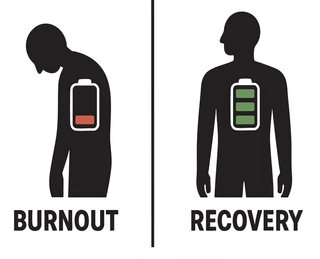
Recovering from professional burnout requires strategic, multi-faceted interventions. Here’s a comprehensive framework organized by impact level.
Highest Impact Interventions for Professional Burnout
1. Remove or Reduce Stressor Exposure
This is the single most effective intervention for professional burnout. No amount of self-care compensates for an unsustainable workload. Addressing professional burnout requires honest assessment of your work demands and making structural changes:
- Delegate tasks that don’t require your specific expertise
- Renegotiate unrealistic deadlines
- Have direct conversations with supervisors about workload
- Consider role changes or job transitions if necessary
2. Optimize Sleep Quality
Sleep optimization accelerates every other aspect of professional burnout recovery. Your brain consolidates emotional processing and clears stress hormones during deep sleep phases. Aim for 7-9 hours of consistent, quality sleep by:
- Maintaining consistent sleep and wake times
- Creating a technology-free wind-down routine 30-60 minutes before bed
- Optimizing your sleep environment (cool, dark, quiet)
- Limiting caffeine after 2 PM and avoiding alcohol before bed
3. Engage Professional Therapy
Professional therapy provides structured support that self-help approaches can’t match when addressing professional burnout. A trained therapist helps you identify patterns, process accumulated stress, and build sustainable coping strategies. Look for therapists specializing in:
- Work-related stress and professional burnout
- Cognitive Behavioral Therapy (CBT)
- Acceptance and Commitment Therapy (ACT)
- Occupational health psychology
Significant Impact Interventions for Professional Burnout
4. Implement Regular Exercise
Exercise directly combats professional burnout by reducing cortisol levels. A groundbreaking 2026 clinical trial found that 150 minutes of moderate-to-vigorous aerobic activity per week significantly reduced long-term cortisol levels, fundamentally lowering the body’s baseline stress setting.
This research provides the first cause-and-effect evidence that aerobic exercise directly reduces cortisol, offering protection against depression, anxiety, and heart disease, all common consequences of professional burnout.
5. Establish Strong Boundaries
Professional burnout thrives when boundaries are weak. Preventing and recovering from professional burnout requires protecting your time and energy:
- Practice saying “no” to non-essential commitments
- Create clear work-life separation, especially when working remotely
- Protect off-hours from work intrusion
- Schedule personal time as non-negotiable appointments
6. Rebuild Social Connections
Professional burnout often erodes the support networks that buffer against stress. Social reconnection is crucial for professional burnout recovery:
- Schedule regular time with energizing friends and family
- Develop workplace friendships that provide support
- Join communities aligned with your interests
- Limit exposure to chronically negative people
Supporting Interventions for Professional Burnout
7. Practice Mindfulness and Meditation
While not a cure for professional burnout alone, mindfulness practices reduce anxiety symptoms and improve emotional regulation. Even 5-10 minutes daily of meditation can help manage professional burnout symptoms.
8. Spend Time in Nature
Research shows that even 20 minutes in green spaces lowers stress hormones that contribute to professional burnout. Regular nature exposure supports professional burnout recovery by providing mental restoration.
9. Engage in Creative Outlets
Creativity serves as a powerful antidote to professional burnout. Engaging in creative activities without performance pressure allows emotional expression and mental restoration.
Recovering from Professional Burnout While Still Working
Most people experiencing professional burnout cannot simply quit their jobs. Bills don’t pause, health insurance matters, and career gaps raise questions. The good news: recovery from professional burnout while working is possible for many people.
When Working Recovery from Professional Burnout Is Possible
Working recovery from professional burnout can succeed when:
- Your professional burnout stems primarily from workload or temporary circumstances
- You have some control over your schedule
- Your basic functioning remains intact
- You can complete essential tasks despite exhaustion
When Professional Burnout Requires Medical Leave
Working recovery from professional burnout becomes impossible when certain red flags appear:
- Panic attacks at work
- Inability to complete basic tasks you once handled easily
- Thoughts of self-harm or suicide (call 988 immediately)
- Crying regularly at work or during your commute
- Physical symptoms like chest pain or fainting
- Complete inability to sleep despite exhaustion
- Daily substance use just to get through work hours
These signals mean your body and mind are past the point of gradual repair from professional burnout. Medical leave, short-term disability, or job transition isn’t a luxury, it’s a medical necessity.
The Minimum Viable Recovery Protocol for Professional Burnout
When you can’t change your job but need to recover from professional burnout, focus on protecting the basics:
Micro-Recovery Tactics:
- Five-minute breaks for deep breathing between tasks
- Eating lunch away from your desk or outside
- Brief walking meetings when possible
- Noise-canceling headphones to reduce sensory overload
- Identifying your three highest-impact tasks daily and protecting energy for those
The 70% Capacity Rule:
Operate at 70% of your maximum capacity rather than 100%. This creates margin for unexpected demands and prevents the accumulation that leads to professional burnout relapse.
Special Considerations: Creative Professional Burnout
Creative professionals face unique challenges with professional burnout. The conventional advice to “stop creating” often backfires for artists, writers, designers, and other creatives.
Why Standard Professional Burnout Advice Fails Creatives
Creativity isn’t a job function you can compartmentalize, it’s a way of perceiving and processing the world. When you attempt to shut down this fundamental aspect of who you are during professional burnout recovery, you create internal conflict rather than restoration.
Creative Professional Burnout Recovery Strategies
1. Engage Differently, Don’t Disengage
Instead of stopping creative work entirely during professional burnout recovery:
- Create without intention of producing something “good”
- Remove external pressure and judgment, not creative expression
- Explore your art form in completely new ways
- Focus on process over product
2. Seek Creative Community
Isolation intensifies creative professional burnout. Other artists understand the unique pain of feeling disconnected from your creativity in ways non-creatives cannot. Creative community provides:
- Validation without needing to explain or justify
- Cross-pollination of ideas from different disciplines
- Shared understanding of creative challenges
- Accountability and encouragement
3. Change Your Environment
Trying to recover from creative professional burnout in the same environment that caused it rarely works. Consider:
- Artist retreats or residencies
- Co-working spaces with other creatives
- Nature-based creative time
- Temporary relocation if possible
Preventing Professional Burnout Relapse
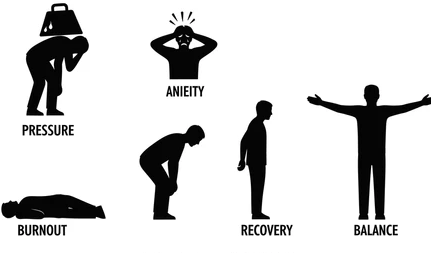
Recovery from professional burnout is a significant accomplishment, but it’s not the finish line. People who have experienced professional burnout once are at higher risk for experiencing it again.
Create Your Early Warning System for Professional Burnout
Your body gave you signals before professional burnout hit. Document your personal warning signs and check in regularly:
- Disrupted sleep patterns
- Increased irritability
- Loss of interest in normally enjoyable activities
- Physical symptoms (headaches, digestive issues)
- Withdrawal from social connections
- Difficulty concentrating
The 80% Capacity Rule for Professional Burnout Prevention
One of the most effective strategies for preventing professional burnout relapse is operating at 80% of your maximum capacity rather than 100%. This means:
- Leaving margin in your schedule
- Maintaining energy reserves for unexpected demands
- Building breathing room into commitments
- Protecting recovery practices even when feeling better
Make Structural Changes That Last
The practices that helped you recover from professional burnout need to continue in some form:
- Regular boundaries around work hours
- Consistent connection with supportive people
- Ongoing attention to rest and recovery
- Periodic reassessment of workload and priorities
Sometimes preventing repeat professional burnout requires honest evaluation of whether your current role, organization, or career path is sustainable long-term.
When to Seek Professional Help for Professional Burnout
While self-help strategies are valuable, professional burnout sometimes requires expert intervention. Seek professional support if you experience:
- Suicidal ideation or thoughts of self-harm
- Inability to perform basic self-care for more than one week
- Substance use as a primary coping mechanism
- Complete loss of pleasure in all activities (anhedonia)
- No improvement after 6 weeks of consistent self-help efforts
- Physical symptoms that persist despite lifestyle changes
Mental health support for professional burnout is not a sign of weakness, it’s a strategic intervention that accelerates recovery and prevents long-term damage.
The Manager’s Role in Professional Burnout
Manager professional burnout creates a cascading effect throughout teams. When managers experience professional burnout, their teams follow.
Alarmingly, only 42% of burned-out workers have told their manager about their professional burnout. Among those who do speak up, 42% say their manager takes no action to help reduce their professional burnout.
This leadership gap in addressing professional burnout represents a critical opportunity for organizational intervention. Manager engagement dropped to 27% globally in 2024, and only 44% of managers globally have received any formal management training.
Organizations serious about addressing professional burnout must invest in manager training, as it’s the single most effective intervention for reducing team-wide professional burnout.
The Path Forward: Your Professional Burnout Recovery Action Plan
Professional burnout recovery isn’t about returning to the same unsustainable patterns that caused your exhaustion. It’s about fundamentally restructuring your relationship with work, rest, and personal well-being.
Your First Steps in Professional Burnout Recovery
- Acknowledge the reality of your professional burnout without shame or self-blame
- Identify your primary stressors through journaling or reflection
- Choose 2-3 high-impact interventions from this framework to implement immediately
- Communicate your needs to supervisors, colleagues, or family members
- Track your progress weekly, noting improvements and setbacks
- Adjust your approach based on what works for your unique situation
Setting Realistic Expectations for Professional Burnout Recovery
Remember that professional burnout developed gradually over months or years. Recovery from professional burnout follows a similar timeline. Be patient with yourself and celebrate small improvements.
Moderate to severe professional burnout, depression, or anxiety affects half of U.S. workers. You’re not alone in this struggle, and recovery is absolutely possible with the right framework and support.
Take Action: Download Your Free Professional Burnout Recovery Workbook
Knowledge alone won’t cure professional burnout, you need a structured action plan tailored to your specific situation.
Download our free Professional Burnout Recovery Workbook to get:
- A comprehensive professional burnout assessment to identify your stage and severity
- Personalized recovery timeline based on your professional burnout level
- Weekly action plans with specific interventions
- Progress tracking tools to monitor your professional burnout recovery
- Boundary-setting scripts for difficult workplace conversations
- Self-care planning templates designed for busy professionals
- Warning sign checklists to prevent professional burnout relapse
This evidence-based workbook transforms the strategies in this article into a concrete, actionable plan for your professional burnout recovery journey.
Conclusion: Professional Burnout Is Not Your Destiny
Professional burnout has reached crisis levels in 2026, but it doesn’t have to be your permanent reality. With 55% of the workforce experiencing professional burnout, organizations and individuals must take this occupational phenomenon seriously.
The research is clear: professional burnout is preventable and recoverable with the right interventions. Whether you’re in the early stages of professional burnout or deep in chronic exhaustion, implementing this recovery framework can help you reclaim your energy, enthusiasm, and professional efficacy.
Your professional burnout recovery starts with a single decision: choosing to prioritize your well-being as much as your productivity. Download the free workbook, implement one strategy today, and begin building a sustainable relationship with your work.
You deserve a career that energizes rather than depletes you. Professional burnout recovery is possible, and it starts now.

Leave a Reply