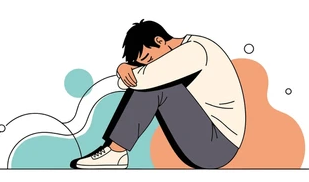
When everything feels too much, the most important thing to know is this: what you’re feeling is real, it won’t last forever, and you don’t have to fix it tonight. Start small. Breathe. Put one hand on your chest. You don’t need to solve everything right now, you just need to get through the next few minutes. That is enough.
Having no friends as an adult is far more common than it looks from the outside. Life changes, careers, moves, relationships, grief, quietly erode the connections we once had. This doesn’t mean something is wrong with you. It means you’re human. These five practical steps will help you rebuild authentic peer support, at your own pace, in a way that feels real.
If you feel guilty every time you reach for your phone to text a friend, book a therapy session, or even think about asking someone to just listen to you, you are not broken, and you are not alone.
So many people feel guilty for needing comfort, even though needing emotional support is one of the most basic human needs there is. Remember: we are social creatures. You might apologize before you’ve even said what’s wrong.
Our emotional needs are not weaknesses, and wanting connection is not selfish. Below, we’ll walk through 11 real reasons you feel guilty for needing emotional support, why none of them are your fault, and how you can start feeling guilty less and connected more.
Emotional support through genuine peer connection is one of the most effective ways to prevent burnout. Research consistently shows that feeling heard, understood, and less alone reduces the cortisol load that drives exhaustion.
Three core mechanisms explain this: social buffering of stress, emotional co-regulation, and restored sense of meaning. None of these require therapy, they require human presence.
To make friends as an adult might be hard for a good number of us. And it’s not our fault. The reason being that structured social environments disappear after school and college. Life gets busier and more fragmented. Even workplace friends might be a no-go for some of us. Most adults feel this, silently. The good news: authentic connection is still possible at any age, in any country, with any schedule. These 7 practical steps will help you understand why friendship feels so difficult, and what you can actually do about it.
Feeling lonely around people is very painful, and it could be the worst kind of loneliness there is, because you are with people and you can’t explain why you can’t connect with them at all. It is more common than you realise, actually. It happens when your need for genuine connection goes unmet, even in a room full of others. You can be surrounded by colleagues, friends, or family, and still feel invisible. This kind of emotional isolation often signals a deeper disconnect: between who you are and how you feel seen. It is not a personal failing. It is a deeply human experience. And your feelings are valid. There’s nothing wrong with you when you feel lonely around people.
You check your phone before your feet hit the floor. By the time you’ve made coffee, there are messages waiting across three different apps, a news alert about something happening on the other side of the world, and a small red number on your email that somehow grew overnight.
None of it is urgent. All of it asks for a piece of your attention before the day has even properly started.
At times, you need affordable emotional support between therapy sessions. Or even when you’re not in therapy. There are those moments when you feel like talking to someone about things happening in your life. And it helps to have a human sounding board, someone who can give you an “outsider” perspective.
If you need someone to talk to but therapy feels out of reach, because of cost, waitlists, or simply not knowing where to start, you’re not alone. There are meaningful, affordable emotional support options available to you: peer support, warmlines, and on-demand emotional support platforms. Each offers genuine human connection without a clinical setting, an appointment, or a long wait. Help is available today.
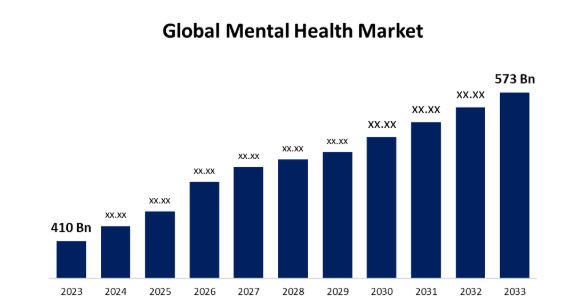
$410 BILLION. That’s what the US wellness industry was worth in 2023, and it’s growing faster than the entire economy. Here’s what they won’t tell you: that number doesn’t stay massive unless they keep us confused, dependent, and coming back for more.
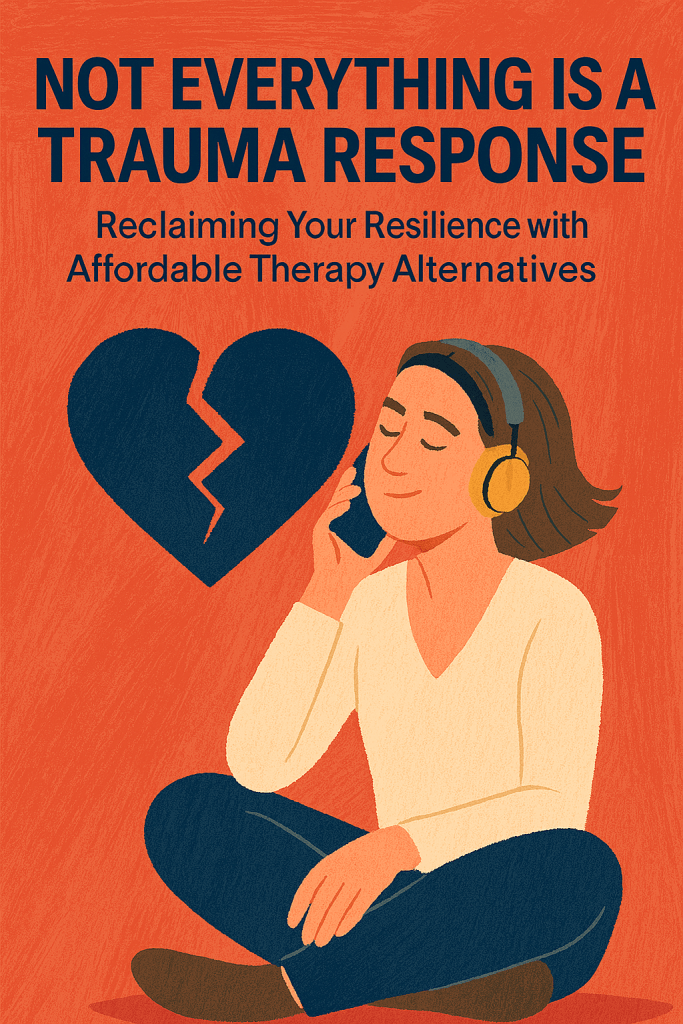
Not everything you feel is a trauma response. Discover 9 common emotions people mistake for trauma, and how to get the support you actually need, without a waitlist.
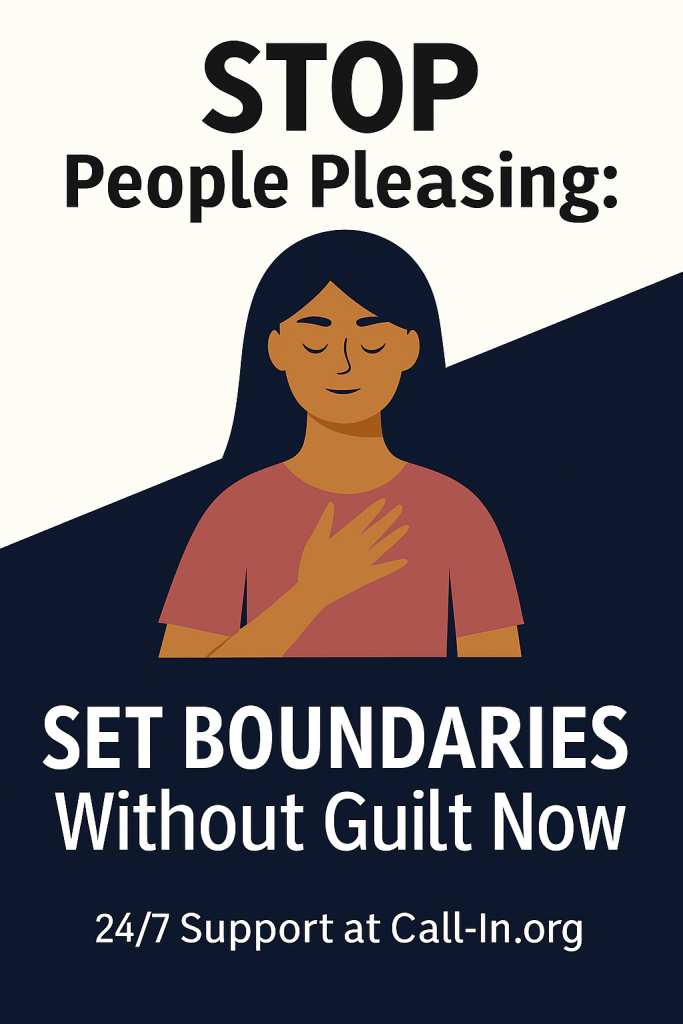
If you are constantly looking for a safe space to vent online without judgment, you already know how exhausting it is to carry everything alone. Finding genuine online emotional support shouldn’t mean waiting weeks for an appointment or navigating sterile, clinical labels. This is your guide to defining success and happiness on your own terms. It is time to set healthy boundaries, stop people-pleasing, and access the compassionate backup you deserve.
Have you been called a people pleaser? A people pleaser is someone who habitually prioritizes others’ needs and approval over their own, often at the expense of personal wellbeing, driven by fear of rejection, conflict avoidance, or learned conditioning. This people pleasing behavior extends beyond kindness into self-neglect that can lead to emotional exhaustion and burnout.
People pleasing is common because social, family, and cultural factors often reward agreeableness while discouraging assertiveness. While caring for others strengthens bonds, chronic people pleasing erodes self-respect and emotional health.
This article outlines 11 evidence-based ways to stop being a people pleaser while addressing the 11 common signs, the psychology behind the struggle, impacts on wellbeing, and how to set healthy boundaries. These strategies support building self-worth, healthier relationships, and authentic kindness that includes yourself.
Here’s what they won’t tell you in most recovery articles: leaving a narcissist isn’t the hard part. Staying done and gone is. And the part that really haunts you? It’s not what they did – it’s what you believed about yourself while it was happening.
“My boss isn’t motivating me, they’re dimming my shine.” If you’ve whispered this in the break room, if you feel invisible at work even though you’re a high performer, if you’re feeling burnout, if you’re not feeling recognised at work, or if you’ve even cried about work in your car, you’re not alone.
Your body always knows first. If you’ve ever felt uneasy around someone but couldn’t explain why, keep reading. Here, you’ll read the 7 early red flags your nervous system picks up in the first 10 minutes of meeting a narcissist. From subtle body language cues to the gut-level discomfort you can’t quite name. So, learn how to spot manipulation before it starts. Trust your instincts. Read the room. Protect your energy.
To provide the best experiences, we use technologies like cookies to store and/or access device information. Consenting to these technologies will allow us to process data such as browsing behavior or unique IDs on this site. Not consenting or withdrawing consent, may adversely affect certain features and functions.
Functional
Always active
The technical storage or access is strictly necessary for the legitimate purpose of enabling the use of a specific service explicitly requested by the subscriber or user, or for the sole purpose of carrying out the transmission of a communication over an electronic communications network.
Preferences
The technical storage or access is necessary for the legitimate purpose of storing preferences that are not requested by the subscriber or user.
Statistics
The technical storage or access that is used exclusively for statistical purposes.The technical storage or access that is used exclusively for anonymous statistical purposes. Without a subpoena, voluntary compliance on the part of your Internet Service Provider, or additional records from a third party, information stored or retrieved for this purpose alone cannot usually be used to identify you.
Marketing
The technical storage or access is required to create user profiles to send advertising, or to track the user on a website or across several websites for similar marketing purposes.