If you are struggling and nobody seems to care, you can easily reach out to Callin Support and talk about what is going on. You deserve a response that takes you seriously. But then, if you are in immediate danger, contact emergency or crisis support now.
Key takeaways
- Wanting to be heard does not make you dramatic, childish or attention-seeking.
- Say what kind of support you need: “I do not need advice right now. I need you to listen.”
- If someone repeatedly dismisses you, protect your vulnerability and try another safe person.
- Support can come from a trained listener, peer group, GP, therapist or urgent service.
- You can book your free first session with Callin now. It can last 20 minutes or up to one hour, depending on what you need in that moment, with no commitment to continue.
What do you do when you are struggling and no one cares?
Pause before concluding that nobody cares. What you know is that the people you approached have not responded as you needed. That matters, but it is not proof that good support does not exist.
Try these steps:
- Name what you need. Ask for listening, company, practical help, advice or professional support.
- Name what does not help. Ask them not to compare, minimise or rush to solutions.
- Notice their response. Someone may need guidance. Repeated dismissal is different.
- Try another safe person. One poor response is not the final answer.
- Look beyond your circle. A trained listener, group, GP or professional may have more capacity.
- Use urgent help if you are unsafe. You need not wait for someone close to understand.
Callin is an online, non-clinical emotional support service that connects people with the same trained active listener over time.
The pain of speaking up and still not being heard
Speaking honestly takes effort. You find words for something tangled, risk misunderstanding and trust another person with a tender part of your life.
Dismissal creates a second hurt: you reached for connection and found your reality being debated. This can feel especially sharp if minimisation is familiar from earlier in life.
A present comment may carry the weight of older moments when your feelings were treated as too much. You do not need a diagnosis to recognise that pattern or want something different now.
You are not dramatic for wanting to be taken seriously
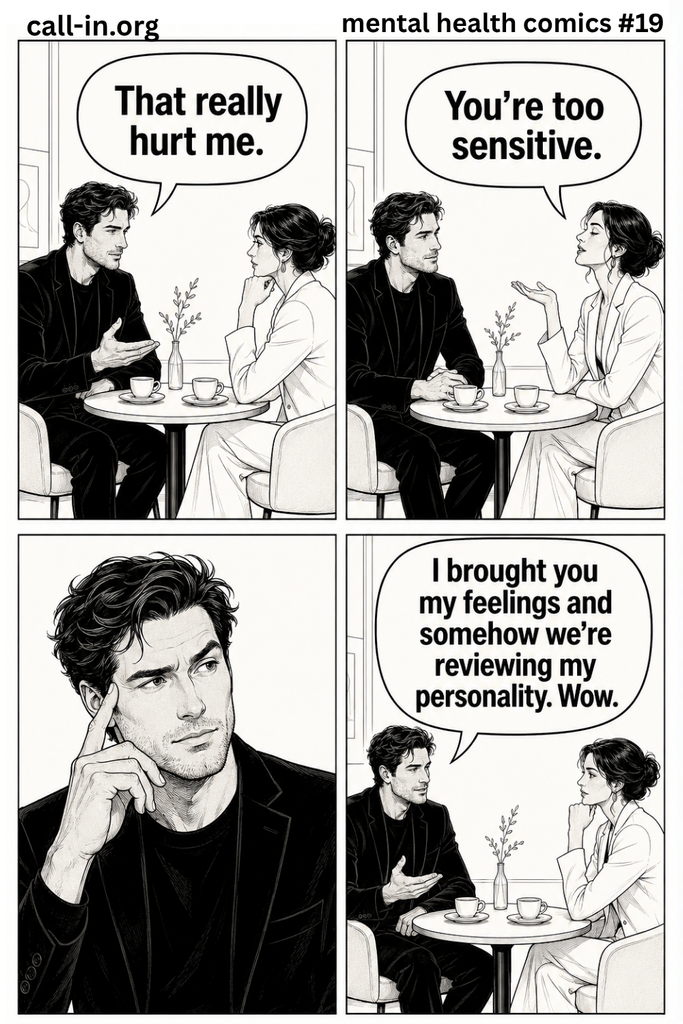
Expressing pain is not the same as exaggerating it. Crying, speaking intensely or needing time may reflect how much something matters.
“Dramatic” often closes a conversation that requires more patience than the listener can offer. It shifts attention from what happened to whether your expression is acceptable.
People may not understand your feelings exactly, but disagreement is not permission to mock, belittle or infantilise you. A respectful listener can say, “I see that this is hurting you.”
Your feelings do not need to win a courtroom argument before they deserve care.
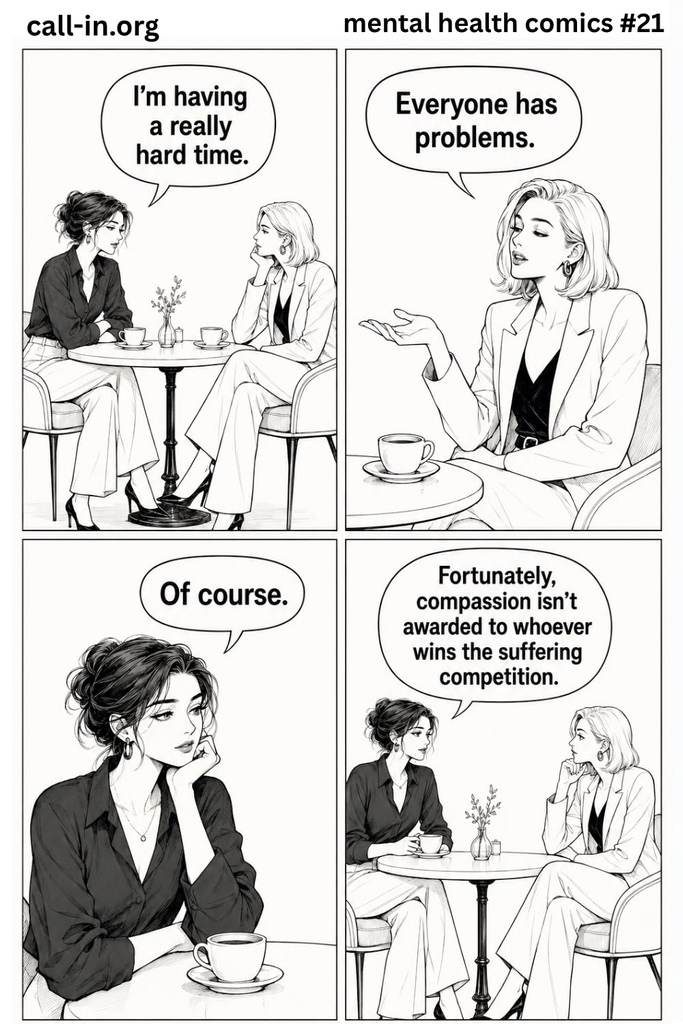
Why “everyone is struggling” does not make your struggle irrelevant
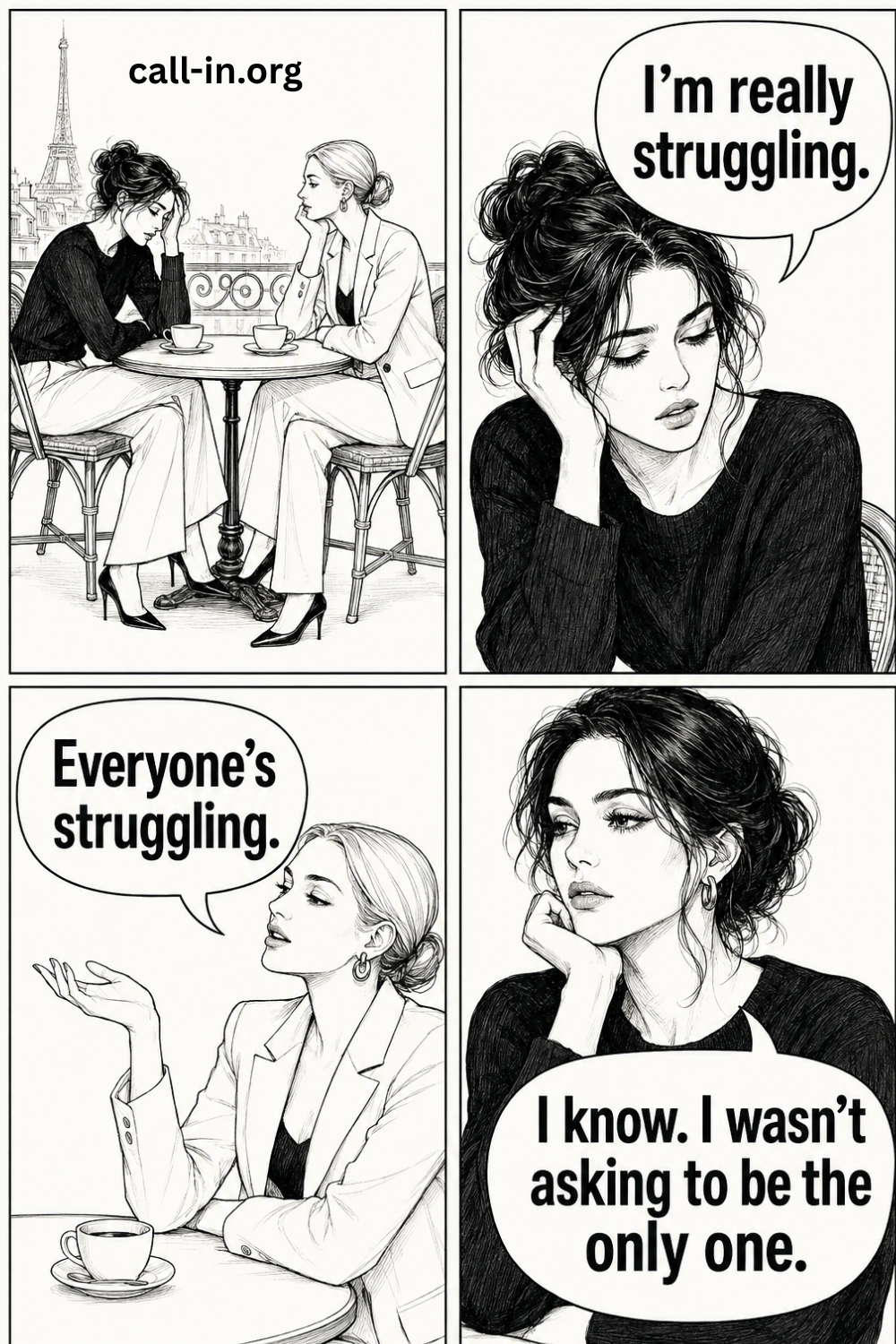
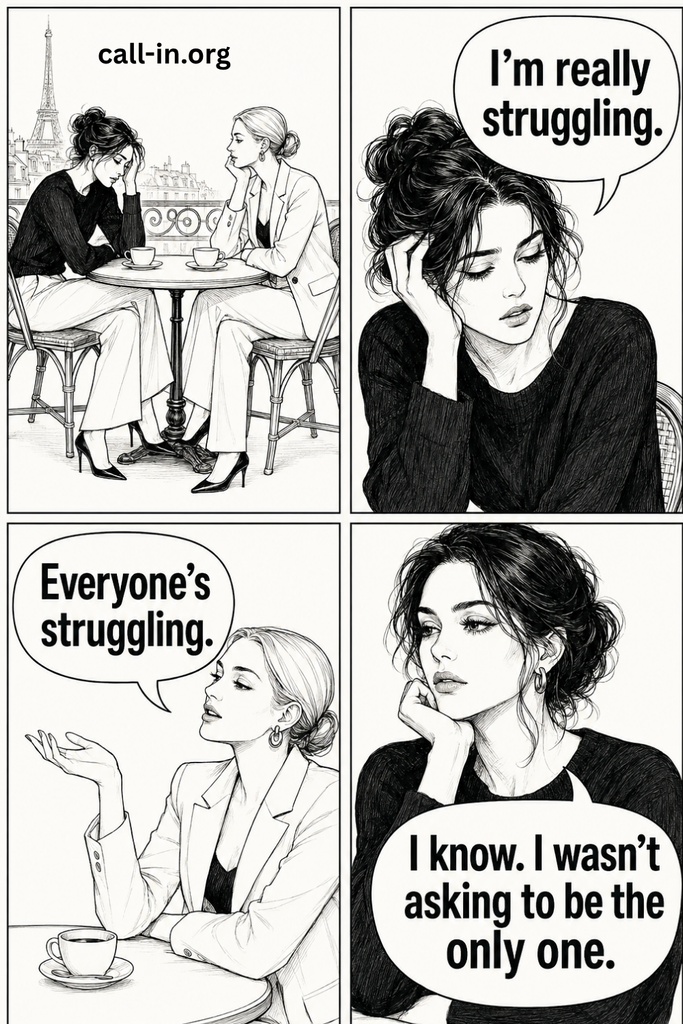
Many people may be struggling. That does not answer what you need now.
Comparison changes the subject and asks you to measure your pain against the whole world. Two truths can exist together: other people are carrying difficult things, and what you are carrying still matters. Care is not reserved for the person suffering most. Your pain need not be exceptional before you may speak about it.
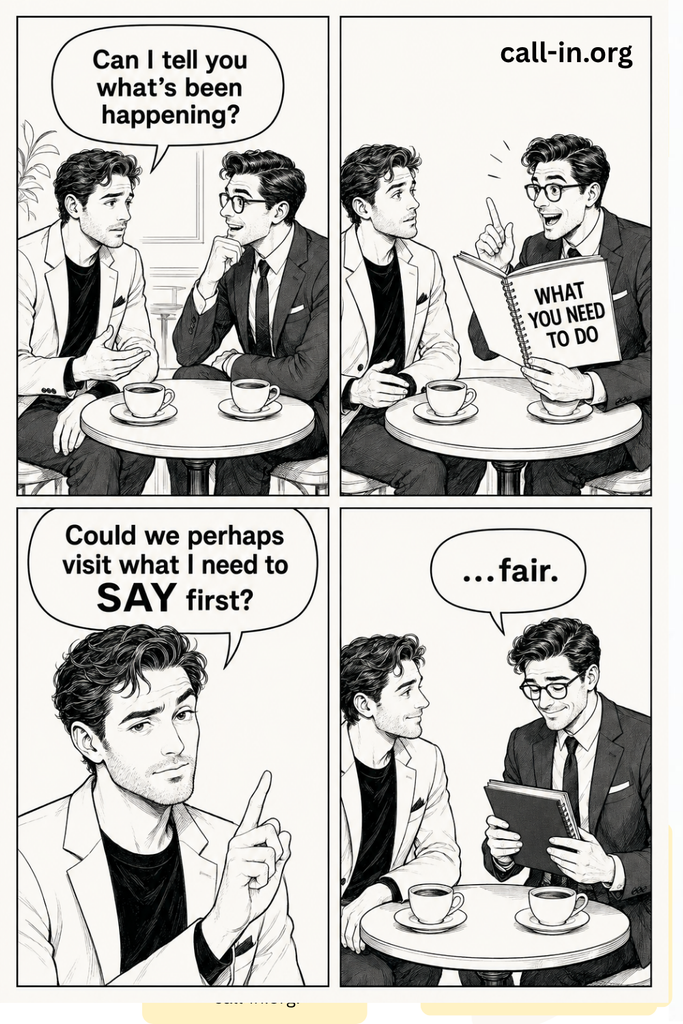
Sometimes you need presence, not advice
Listening means paying attention, checking understanding and allowing your feelings to exist without immediately trying to alter them.
Advice asks, “What should you do next?”
Fixing asks, “How can we make this stop?”
Comparison asks, “Is this really so bad?”
Dismissal says, “You should not feel this way.”
Presence says, “I am here. Tell me what this is like for you.”
Advice can help when wanted. When it arrives too soon, it can feel like pressure to stop hurting. Learn why people give advice when you need to vent and how to redirect the conversation.
Active listening is more than a pleasant idea. In an experimental study, people who received active-listening responses reported feeling more understood than those who received advice or simple acknowledgements (Weger and colleagues, 2014). It does not solve every problem, but feeling accurately heard can change the quality of the moment.
How to ask someone to listen without giving advice
You are allowed to make the request simple. You do not need a perfect speech.
- “I do not need advice right now. I need you to listen.”
- “Could you sit with me while I talk this through?”
- “I am not asking you to fix it. I need somewhere to put what I am feeling.”
- “Do you have the capacity to listen for a few minutes?”
- “Please do not compare this with what other people are experiencing.”
- “Could you reflect back what you are hearing before we talk about solutions?”
Asking about capacity can help both of you. But clear communication cannot guarantee a good response. If someone still responds poorly, your request was not unreasonable.

What if they still dismiss you?
If someone repeatedly minimises you, consider sharing less vulnerable material with them. This is not punishment. It is a boundary around information they have not handled with care.
You might say:
“When I share something difficult and I am called dramatic, I leave feeling worse. I am going to talk about this with someone who can listen without judging it.”
You need not end the relationship or decide the person never cared. Some people love us and still lack the capacity or skills we need from them. Their care does not erase the impact of dismissal.
Try another trusted person or support service. You can also find a non-judgmental person to talk to online when your usual circle does not feel safe enough.
Where can you talk when nobody around you is listening?
The right option depends on what you need and how safe you feel.
A trained active listener
A trained listener can provide structure without taking control. They pay attention, reflect and make room for you to speak, without diagnosing or treating you.
Peer or community support
Peer groups, charities and moderated spaces can help you feel less alone. Look for clear boundaries, safeguarding information and honest service descriptions.
A GP or mental health professional
Consider a GP, counsellor, therapist or mental health team if difficulties persist, worsen, disrupt daily life, or you want assessment or treatment. If cost or waiting lists are barriers, explore affordable support that is not therapy and alternatives to NHS mental health support.
Crisis or emergency support
If you may harm yourself or another person, or cannot keep yourself or someone else safe, use crisis or emergency support now. The NHS advises calling 999 or going to A&E when someone’s life is at risk or safety cannot be maintained (NHS urgent mental health guidance).
How Callin supports people who need to feel heard
Callin provides online, non-clinical emotional support for adults through trained active listeners. You can talk about stress, loneliness, anxiety, heartbreak, burnout, relationships, feeling misunderstood or the ordinary weight of life.
The listener does not judge, diagnose or give unwanted advice. Listening comes first. If you ask for suggestions, they can offer appropriate non-clinical guidance, but decisions remain yours.
Where possible, you speak with the same dedicated listener, so support becomes more personal and you need not retell your story each time.
Callin works within clear boundaries. It is not therapy, counselling, diagnosis, medical treatment or crisis care. Safeguarding, signposting and escalation routes are used when a person needs a different level or type of support.
Callin is listed on the Hub of Hope support directory and Joy Marketplace. You can also read independent Callin experiences on Trustpilot.
If you are comparing different kinds of help, this guide to non-clinical emotional support and therapy explains where listening support fits.
What happens during your first Callin session?
Your first Callin session is free, with no commitment. You do not need to prove that your situation is serious enough.
The session can last 20 minutes or up to one hour, depending on what you need in that moment. You can arrive with a clear topic, a tangle of thoughts or simply the sentence, “I do not know where to begin.” You choose what to share, and you do not have to disclose everything at once.
The conversation lets you see whether Callin feels right. If it does, client onboarding and continuing support can follow. If not, Callin can signpost you somewhere more appropriate. This is “support that supports you”, without pressure to stay with a service that cannot meet your needs.
When listening support is not enough
Being heard can bring relief, perspective and a little more room to breathe. It is not a substitute for every form of care.
A GP, counsellor, therapist or mental health team may be more appropriate for clinical assessment, diagnosis, structured treatment, medication support or symptoms that significantly affect daily life. Listening support can sit alongside professional care when each has a clear role.
If you need urgent help
Callin is not a crisis service and is not continuously monitored. If you are in immediate danger, may harm yourself or another person, or cannot keep yourself safe, contact your local emergency services.
In the UK:
- Call 999 or go to A&E if there is immediate danger.
- Call Samaritans on 116 123 for free, any time, day or night (Samaritans).
- Text SHOUT to 85258 for free, confidential, 24-hour text support (Shout).
If you need urgent mental health help but there is no immediate danger, NHS 111 can direct you to the right service.
Being dismissed is not the same as being impossible to understand
The people closest to you may have rushed towards solutions or mistaken comparison for reassurance. It can still hurt.
Their response is not a verdict on your needs. You are not too much for wanting presence, or childish because forced optimism does not help. There are people who know how to listen. You are allowed to find them.
Your first session can last 20 minutes or up to one hour, depending on what you need in that moment. There is no commitment. If Callin is not the right support for you, we can signpost you towards something more appropriate.
Frequently asked questions
What should I do when I am struggling and nobody cares?
Tell someone clearly that you need listening rather than advice. If they remain dismissive, approach another trusted person or seek help from a trained listener, peer group, GP or mental health professional. If you are in immediate danger or cannot stay safe, contact emergency or crisis services now.
Why do people call me dramatic when I talk about my feelings?
People may say “dramatic” because they feel uncomfortable, misunderstand the intensity of your experience or lack listening skills. The label does not prove your feelings are exaggerated. Ask them to focus on what you are saying, then choose another listener if that dismissive response continues.
Is it normal to want someone to listen without giving advice?
Yes. Wanting attentive presence rather than solutions is reasonable. Advice can help when requested, but unwanted advice may leave you feeling rushed or misunderstood. A good listener can reflect what they hear, ask what you need and let you talk before discussing possible next steps together.
How do I ask someone to listen instead of trying to fix me?
Say directly: “I do not need advice right now. I need you to listen.” You might also ask, “Do you have the capacity to sit with me for a few minutes?” Explain that being heard would help more than solutions. Clear words help, but cannot guarantee a good response.
Where can I talk to someone who will not judge me?
Try a trusted person who has listened well before, a moderated peer space, a trained active listener or a mental health professional. Look for clear confidentiality, boundaries and safeguarding information. Callin offers adults non-clinical online emotional support with a trained active listener, without judgment or unsolicited advice.
What if my family does not take my mental health seriously?
Name the response you need and explain how dismissal affects you. If your family still minimises your feelings, limit vulnerable conversations with people who handle them poorly and seek support elsewhere. You do not need to cut anyone off abruptly, and care does not have to come only from family.
Can I use Callin if I am not in crisis and do not want therapy?
Yes. Callin supports adults dealing with loneliness, stress, anxiety, heartbreak, burnout, relationships or feeling misunderstood. It is non-clinical listening support, not therapy, diagnosis, medical treatment or crisis care. Where possible, you can continue with the same trained active listener over time. You decide what to discuss in each conversation.
Is the first Callin session free?
Yes. Your first Callin session is completely free, with no commitment. It can last 20 minutes or up to one hour, depending on what you need. The call helps you assess the fit. If Callin suits you, onboarding follows. If not, you can be signposted elsewhere.
Suggested internal links used
- Why people give advice when you need to vent
- Find a non-judgmental person to talk to online
- Affordable mental health support that is not therapy
- Alternatives to NHS mental health support in the UK
- Non-clinical emotional support and therapy
External sources
- NHS: Where to get urgent help for mental health
- Samaritans: Contact a Samaritan
- Shout: How Shout works
- Weger and colleagues: The Relative Effectiveness of Active Listening in Initial Interactions