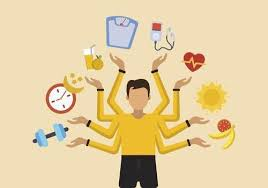
Stress management has become a big deal because stress has become an unavoidable part of modern life that affects millions of people worldwide. Whether it’s work deadlines, professional burnout, financial pressures, or personal relationships, chronic stress can take a serious toll on your physical and mental health. The good news? Effective stress management is a skill you can learn and master.
This comprehensive guide will walk you through evidence-based strategies to manage stress, regain control of your life, and build lasting resilience.
Understanding Stress: What Happens to Your Body
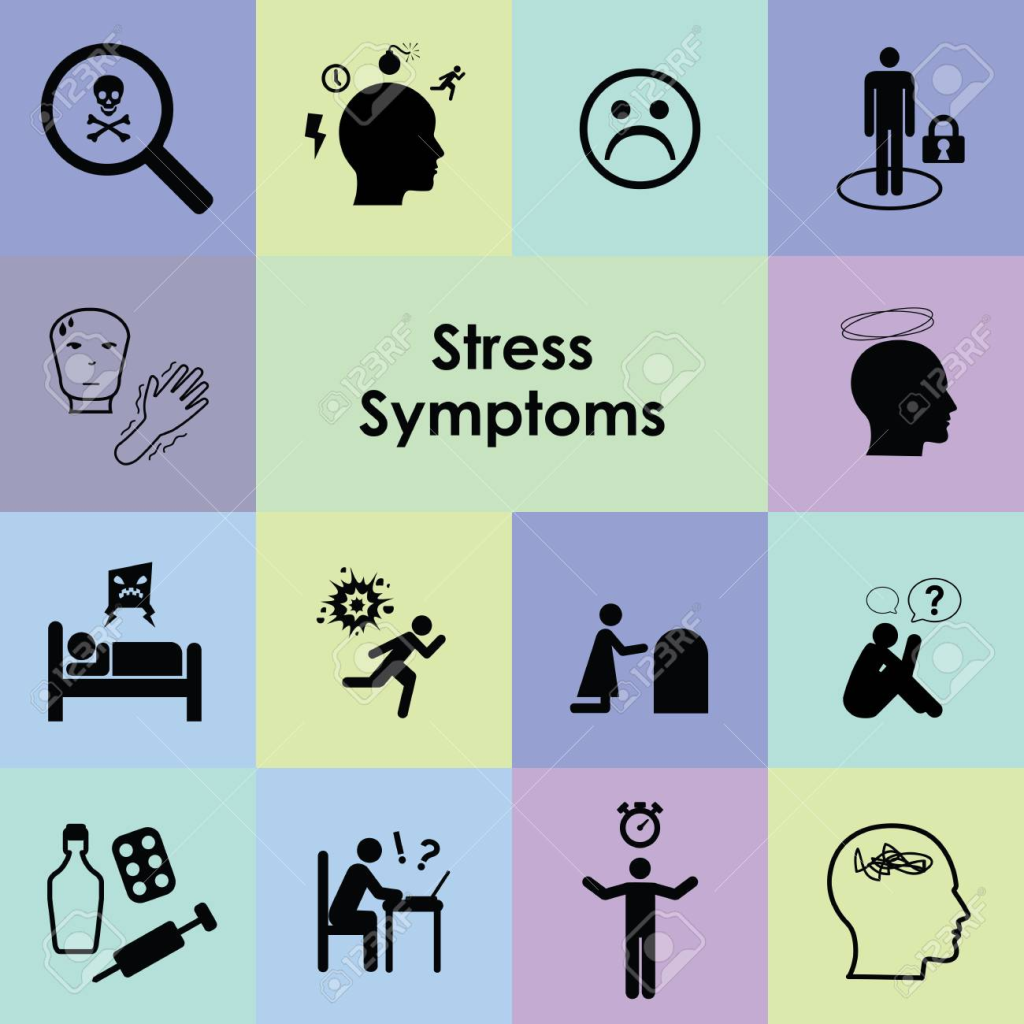
Before diving into stress management techniques, it’s important to understand what stress actually does to your body. When you encounter a stressful situation, your body releases hormones like cortisol and adrenaline, triggering the “fight or flight” response. While this response is helpful in short bursts, chronic stress can lead to:
- High blood pressure and heart disease
- Weakened immune system
- Digestive problems
- Sleep disturbances
- Anxiety and depression
- Memory and concentration issues
Recognizing these warning signs is the first step toward effective stress management.
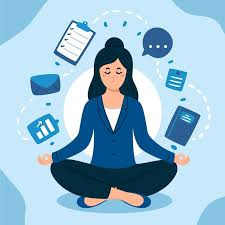
1. Practice Mindfulness and Meditation
Why Mindfulness Works
Mindfulness meditation has been scientifically proven to reduce stress levels by helping you stay present and avoid ruminating on past or future worries. Regular practice can actually change your brain structure, strengthening areas associated with emotional regulation.
How to Get Started
- Start small: Begin with just 5 minutes of meditation daily
- Focus on your breath: Pay attention to each inhale and exhale
- Use guided apps: Try Headspace, Calm, or Insight Timer for structured sessions
- Practice body scans: Systematically relax each part of your body from head to toe
Even a few minutes of daily mindfulness can significantly reduce stress and improve your overall sense of well-being.
2. Develop a Regular Exercise Routine
The Stress-Busting Power of Physical Activity
The year-long study of 130 adults found that participants who engaged in 150 minutes of moderate-to-vigorous aerobic activity per week showed a significant reduction in long-term cortisol levels compared to the control group. This reduction in cortisol represents a fundamental lowering of the body’s baseline stress setting, offering protection against depression, anxiety, and heart disease.
Best Exercises for Stress Relief
- Aerobic exercise: Running, swimming, cycling, or brisk walking for 30 minutes
- Yoga: Combines physical movement with breath work and meditation
- Strength training: Builds confidence and provides a healthy outlet for tension
- Tai chi: Gentle, flowing movements that promote relaxation
Aim for at least 150 minutes of moderate exercise per week—research shows this is the “sweet spot” for building biological resilience against stress.
3. Master Time Management Skills
Reduce Overwhelm Through Better Planning
Poor time management is a major source of stress for many people. When you feel like you’re constantly behind, stress levels skyrocket.
Practical Time Management Strategies
- Prioritize tasks: Use the Eisenhower Matrix to distinguish urgent from important tasks
- Break projects into smaller steps: Large tasks feel less overwhelming when divided
- Set realistic deadlines: Give yourself buffer time for unexpected challenges
- Learn to say no: Protect your time by declining non-essential commitments
- Use time-blocking: Schedule specific time slots for different activities
Better time management creates a sense of control, which is essential for reducing stress.
4. Build Strong Social Connections

The Importance of Social Support
Humans are social creatures, and strong relationships serve as a powerful buffer against stress. Talking through your problems with trusted friends or family members can provide perspective and emotional relief.
Ways to Strengthen Your Support Network
- Schedule regular catch-ups with friends and family
- Join clubs or groups aligned with your interests
- Volunteer in your community
- Consider joining a support group if dealing with specific challenges
- Be vulnerable and share your struggles with people you trust
Don’t isolate yourself when stressed—reach out and connect with others.
5. Improve Your Sleep Hygiene
The Sleep-Stress Connection
Poor sleep and stress create a vicious cycle: stress disrupts sleep, and lack of sleep increases stress. Breaking this cycle is crucial for effective stress management. Research consistently shows that sleep deprivation elevates cortisol levels and impairs the brain’s ability to regulate emotions.
Sleep Optimization Tips
- Maintain a consistent schedule: Go to bed and wake up at the same time daily
- Create a bedtime routine: Wind down with relaxing activities 30-60 minutes before sleep
- Optimize your environment: Keep your bedroom cool, dark, and quiet
- Limit screen time: Avoid blue light from devices at least one hour before bed
- Avoid caffeine and alcohol: Both can interfere with sleep quality
Aim for 7-9 hours of quality sleep each night to help your body recover from daily stressors.
6. Practice Deep Breathing Techniques
Quick Stress Relief Anywhere, Anytime
Deep breathing exercises activate your parasympathetic nervous system, which counteracts the stress response. These techniques can be done anywhere and provide immediate relief by lowering heart rate and blood pressure.
Effective Breathing Exercises
4-7-8 Breathing:
- Inhale through your nose for 4 counts
- Hold your breath for 7 counts
- Exhale completely through your mouth for 8 counts
- Repeat 4 times
Box Breathing:
- Inhale for 4 counts
- Hold for 4 counts
- Exhale for 4 counts
- Hold for 4 counts
- Repeat as needed
Practice these techniques daily, and use them in stressful moments for quick relief.
7. Maintain a Healthy Diet
Nutrition’s Role in Stress Management
What you eat directly impacts your stress levels. Certain foods can increase cortisol and inflammation, while others support your body’s stress response and provide essential nutrients for brain health.
Stress-Reducing Dietary Guidelines
Foods to include:
- Complex carbohydrates (whole grains, oats)
- Omega-3 fatty acids (salmon, walnuts, flaxseeds)
- Vitamin C-rich foods (citrus fruits, bell peppers)
- Magnesium sources (leafy greens, nuts, seeds)
- Herbal teas (chamomile, green tea)
Foods to limit:
- Excessive caffeine
- Refined sugars
- Processed foods
- Alcohol
Stay hydrated throughout the day, as even mild dehydration can increase stress hormones.
8. Set Boundaries and Protect Your Energy
The Power of Saying No
Many people experience stress because they overcommit and fail to set healthy boundaries. Learning to protect your time and energy is essential for long-term stress management.
How to Set Effective Boundaries
- Clearly communicate your limits to others
- Don’t feel obligated to explain or justify your boundaries
- Limit exposure to negative people or situations
- Create work-life separation (especially when working from home)
- Schedule “me time” and treat it as non-negotiable
Remember: setting boundaries isn’t selfish—it’s necessary for your well-being.
9. Engage in Hobbies and Creative Activities
The Therapeutic Value of Flow States
Engaging in activities you enjoy helps you enter “flow states” where you’re fully absorbed and stress melts away. Hobbies provide a healthy escape and boost overall life satisfaction.
Stress-Relieving Activities to Try
- Creative pursuits (painting, writing, music)
- Gardening or spending time in nature
- Reading for pleasure
- Cooking or baking
- Crafts and DIY projects
- Playing games or puzzles
Make time for activities that bring you joy—they’re not luxuries, they’re essential for stress management.
10. Seek Professional Help When Needed
Recognizing When to Get Support
Sometimes stress becomes overwhelming, and self-help strategies aren’t enough. There’s no shame in seeking professional help—it’s a sign of strength and self-awareness.
When to Consider Professional Support
- Stress is interfering with daily functioning
- You’re experiencing symptoms of anxiety or depression
- You’re using unhealthy coping mechanisms (substance abuse, etc.)
- Physical symptoms persist despite lifestyle changes
- You feel hopeless or have thoughts of self-harm
Options include therapy, counseling, stress management programs, or consulting with your healthcare provider.
Creating Your Personalized Stress Management Plan
Effective stress management isn’t one-size-fits-all. The key is to experiment with different techniques and create a personalized plan that works for your lifestyle.
Steps to Build Your Plan
- Identify your stress triggers: Keep a stress journal for one week
- Choose 3-5 techniques: Select strategies that resonate with you
- Start small: Implement one new habit at a time
- Track your progress: Notice what works and what doesn’t
- Adjust as needed: Your plan should evolve with your needs
The Science Behind Long-Term Stress Reduction
Recent research has revolutionized our understanding of how lifestyle interventions affect stress biology. The landmark 2026 study by Dr. Peter J. Gianaros and Dr. Kirk I. Erickson demonstrated that consistent aerobic exercise doesn’t just help you “relax in the moment”—it fundamentally rewires your stress biology by lowering baseline cortisol levels.
This finding is particularly significant because it establishes a clear cause-and-effect relationship between exercise and stress reduction, moving beyond correlational studies. The research also revealed that exercise may slow the pace of brain aging, suggesting that physical activity protects both the brain’s chemistry and structure.
Conclusion: Take Control of Stress Today
Stress may be inevitable, but suffering from chronic stress is not. By implementing these evidence-based stress management techniques, you can reduce stress levels, improve your health, and enhance your quality of life.
Start with one or two strategies that appeal to you most, and gradually build your stress management toolkit. Remember, consistency is more important than perfection. Small, daily actions compound over time to create significant positive change.
The research is clear: just 30 minutes of moderate exercise five days a week can fundamentally lower your body’s stress response and build mental resilience. Combined with other strategies like mindfulness, proper sleep, and strong social connections, you have a powerful arsenal for managing stress effectively.
Your journey to better stress management starts now. Which technique will you try first?
Leave a Reply