You’re at the park on a crisp Friday evening. Someone misjudges a step, tumbles, and there’s a sickening crack. Their leg is bent at an angle that screams broken.
You rush over. What do you say?
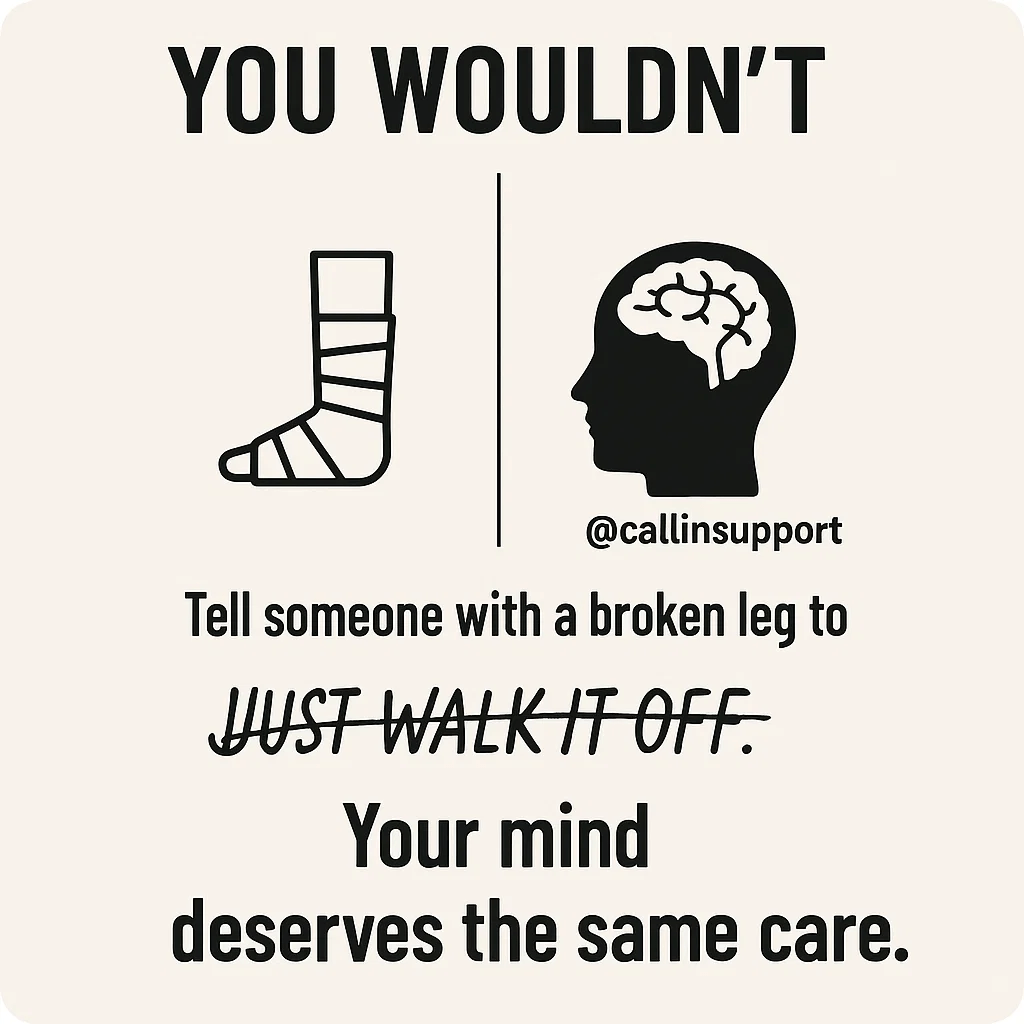
Do you look at their exposed bone and ask, “Have you tried thinking more positively about it?” Do you tell them to “just walk it off”?
Of course not. The suggestion is absurd. It’s cruel.
So, here’s the question we need to start asking ourselves, loudly and often: Why in the world do we say that to our minds?
The Cruel Double Standard: Invalidating Our Own Pain
We live in a world that’s finally talking about “mental health,” but when it comes to the day-to-day reality, we often treat our own minds with casual cruelty. We dismiss our own pain with phrases we’d never say to someone with a clear physical injury.
Does any of this sound familiar?
- When you have an anxiety attack: “Just calm down.”
- When you’re facing crippling depression: “But you have so much to be grateful for.”
- When you’re burnt out so deep you can’t see straight: “You just need to push through it.”
We tell our minds to “just walk it off” every single day. But here is the fundamental truth.
Your Mind Is Physical: The Science of Emotional Pain
Your mind isn’t an abstract concept floating in the ether. It is a physical part of your body. Your thoughts, feelings, and traumas create real, measurable changes in your biology.
- A panic attack is a massive physiological event, flooding your nervous system with adrenaline and cortisol.
- Burnout is a state of profound, systemic exhaustion that impacts everything from your hormones to your immune system.
- Depression is a debilitating illness with a physical footprint on your brain chemistry and energy levels.
These are not character flaws. They are signals.
A fever is a signal. A broken leg is a signal. A persistent feeling of dread in the pit of your stomach is also a signal. They are all valid. They are all real. And they are all your body’s way of screaming, “I need your attention and care right now.”
How to Treat Your Mind Like a Broken Leg: 3 Practical Steps
Giving your mind the same urgent care as your body isn’t an indulgence. It’s a necessity. So, the next time you feel that familiar ache of anxiety or sadness, stop and use the ‘broken leg’ protocol.
Step 1: Assess the Injury (Acknowledge the Pain)
The first thing you’d do for a broken leg is stop and admit, “This is serious.” Do the same for your mind. Stop minimising. Say it out loud: “I am feeling burnt out,” “I am struggling with anxiety,” or “I am in pain.” Validation is the first step to healing.
Step 2: Administer First Aid (Prioritise Rest & Support)
You wouldn’t run a marathon on a broken leg. So why do we force ourselves to perform at 100% when we’re emotionally shattered? First aid for the mind is radical, guilt-free rest. It means cancelling plans, taking a mental health day (which is a sick day), and reducing your workload to the absolute essentials.
Step 3: Seek Proper Care (Talk to Someone)
After giving first aid, you’d go to A&E or see a doctor. You would let a professional help you heal. Your mind deserves the same level of professional care. Recognising that your peace of mind is not a luxury item, but the foundation of your entire life, is crucial.
You Don’t Have to Walk It Off Alone
The next time you’re hurting, ask yourself: “What would I do for a broken leg?”
And then, give yourself permission to do that.
At Call-In Support, we understand that mental pain is real. Our team is here to provide immediate, compassionate emotional support when you need it most. You don’t have to wait for things to break completely to get the care you deserve. Talk to us today.
The $410 Billion Secret: Why the Global Mental Health Industry Needs You Labeled (And Confused)
The Global Mental Health industry was valued at $410 billion in 2023, profiting from labeling normal human emotions as chronic conditions. The clinical system often turns brief struggles into lifelong dependencies, obscuring the fact that many people do not need diagnoses or complex treatments, but rather simple, compassionate listening and validation. This industry thrives on…

Not Everything is a Trauma Response: Reclaiming Your Resilience with Affordable Therapy Alternatives
The content discusses the growing tendency to over-pathologize emotions in modern society, where feelings like loneliness or anxiety are labeled as disorders. It emphasizes the need for compassionate, accessible emotional support, such as that provided by platforms like Call-In.org. These alternatives to traditional therapy emphasize immediate listening and holistic healing without the burden of waitlists…
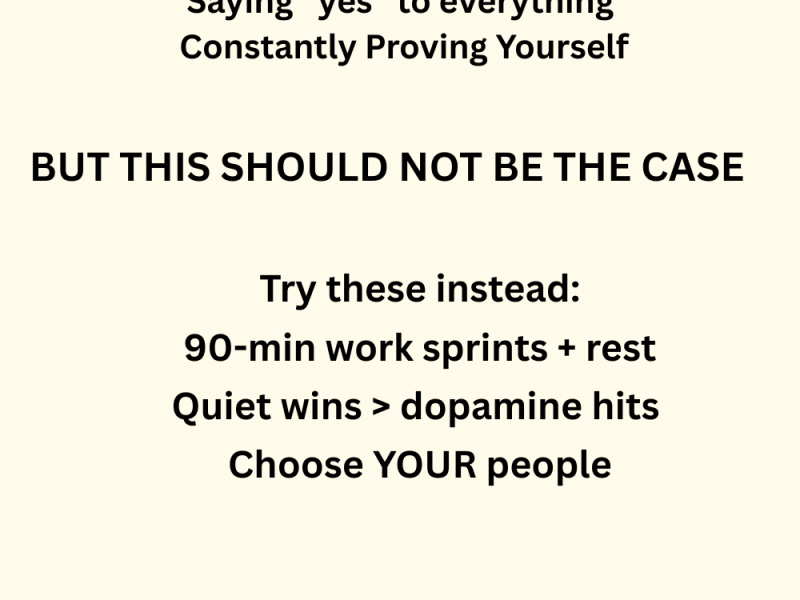
Emotional Support That Brings Clarity: Create Your Own Path to Success & Happiness
Learn how to define success and happiness on your own terms with practical strategies, mindfulness, and emotional support online anytime. Set healthy boundaries, stop people-pleasing, and use astrology or tarot for self-discovery. Access affordable online emotional support calls as a compassionate alternative to BetterHelp to reclaim clarity, calm, and personal fulfillment.
 Call-in
Leave a comment